
Last updated October 15, 2026
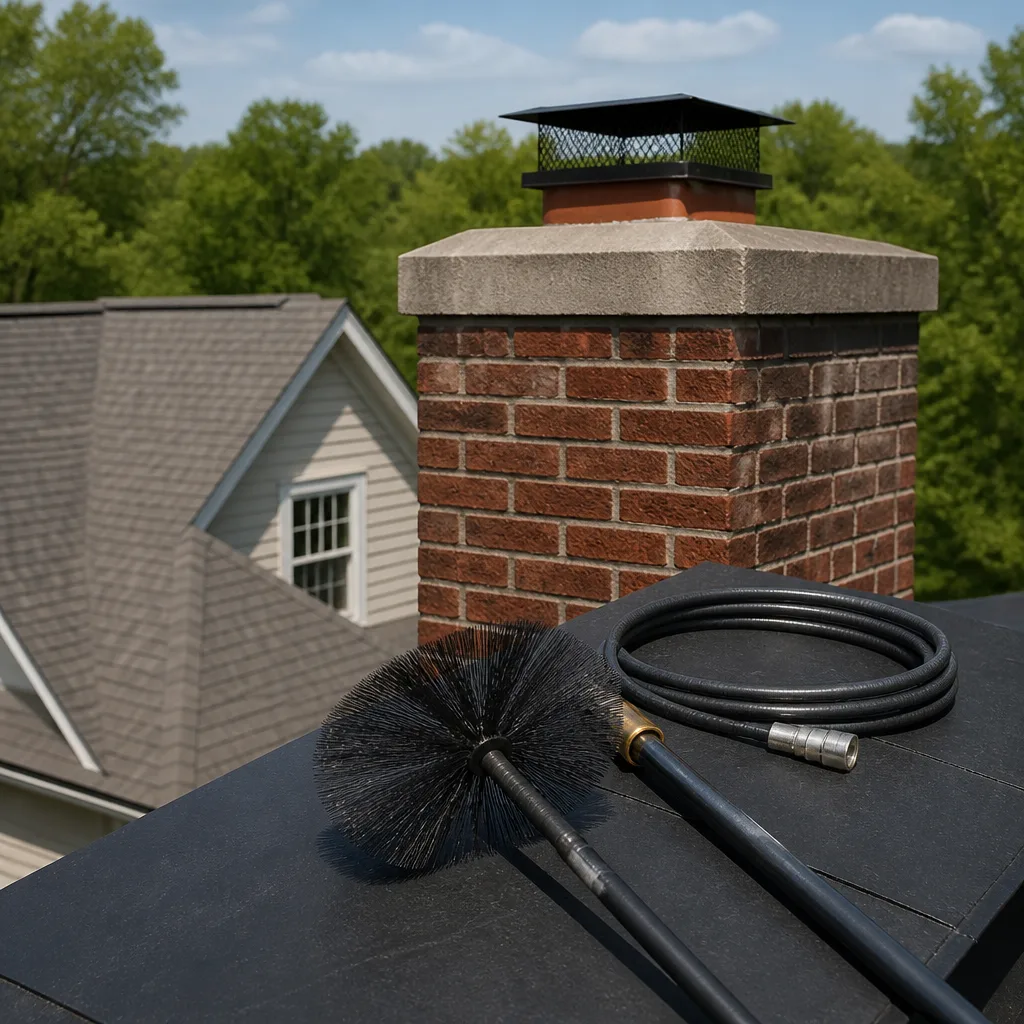 Sweep & inspection
 Caps & crowns
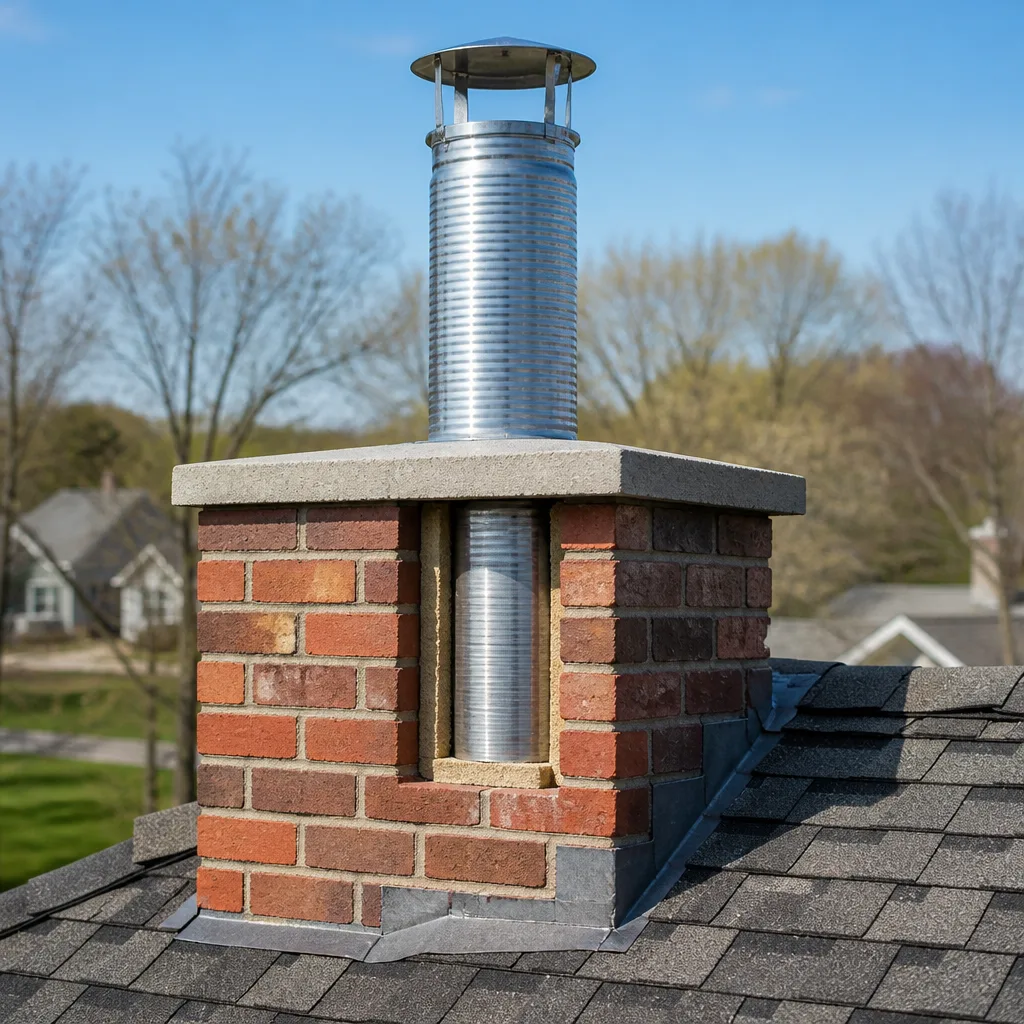 Flue relining
 Masonry repair
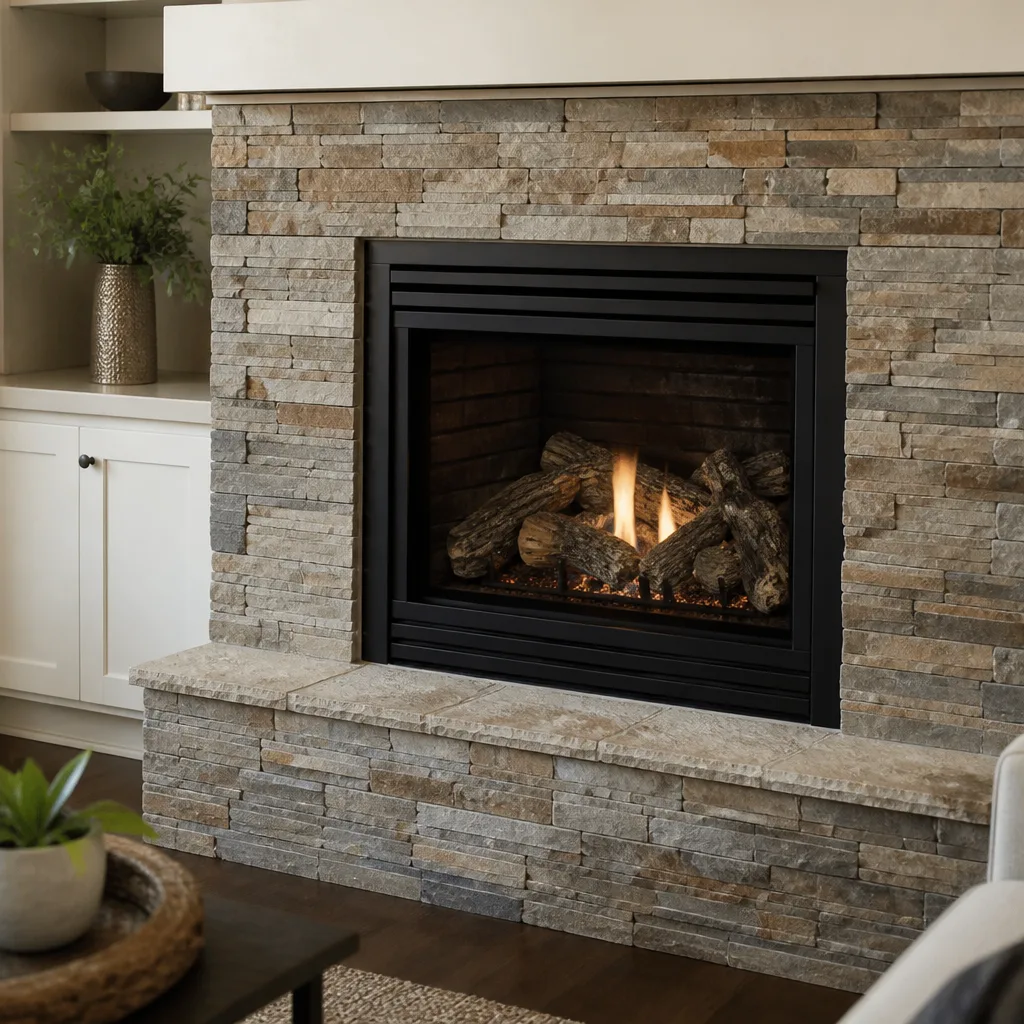 Gas fireplace service
Level 1 sweep and inspection to the NFPA 211 annual standard - flue, crown, cap, and flashing checked and photographed
Chimney sweep logs do not sweep chimneys. They loosen some creosote - which then falls where a brush and vacuum still have to collect it.
DIY vs Professional Chimney Cleaning: The Los Angeles Homeowner’s Decision Guide
Most chimney cleaning guides start with a warning and end with a phone number. This one starts with a confession: we’ve watched homeowners do excellent work with the right brush kit, and we’ve watched the same homeowners leave 60% of the creosote in a flue because nobody told them their chimney has two offsets and a smoke chamber they can’t see. The honest answer isn’t “never do it yourself.” It’s “know which fireplace you actually have, what you can see, and what you can’t.” In Los Angeles, where houses built in the 1940s through 1960s still carry original clay liners and old-growth wood smoke patterns, that knowledge is the difference between a working fireplace and a house fire that insurance doesn’t cover.
Styles & brands we work with
Quick Answer
DIY chimney cleaning is reasonable for a straight, single-story flue with light soot buildup and a homeowner who owns the right diameter brush, enough rods, and proper containment gear. It becomes a bad idea the moment the flue has bends, the liner is more than 30 years old, the buildup includes glazed creosote, or you can’t visually confirm the flue is clean after you finish. In Los Angeles, most pre-1970 homes fall into the latter category, which is why we recommend a chimney inspection in Los Angeles before you ever decide to clean it yourself.
Table of Contents
- What DIY Can Realistically Reach (and What It Can’t)
- The Real Requirements: What a Proper DIY Cleaning Actually Takes
- The Los Angeles-Specific Risk: 1940s – 1960s Clay Liners
- Fuel Type Matters: Gas vs. Wood in Los Angeles Homes
- The Camera Problem: What You Can’t Verify from the Top of a Ladder
- Responsible DIY: Using Your Own Maintenance Between Professional Visits
- Cost Comparison: DIY Kit vs. Professional Sweep in Los Angeles
- Common Mistakes to Avoid
- When to Call a Professional
- Frequently Asked Questions
- The Bottom Line
What DIY Can Realistically Reach (and What It Can’t)
Here’s the capability matrix nobody puts in a blog post, because it doesn’t sell anything. It just tells the truth. A straight flue is a cylinder you can see from the top or from the firebox with a flashlight. A flue with offsets is a puzzle box: the smoke travels up, makes a horizontal jog around a structural beam or attic conversion, then continues up again. You can’t see those bends, and a brush on flexible rods may push past them or may not. When we clean a chimney in Los Angeles, we’re not guessing. But a homeowner on a ladder is guessing, and guessing wrong is expensive.
Let’s break down what a reasonably capable homeowner can do with store-bought equipment:
- Straight single-story flue, light soot, recent cleaning history: Reasonable DIY candidate. If you can see the top of the flue from your roof, the flue runs vertically with no visible bends, and the buildup is loose gray or brown soot (not shiny, tar-like glazing), a quality brush kit can do the job in two hours with proper containment.
- Straight flue, two stories, moderate creosote: Questionable. You’ll need two stories of rod length (roughly 20 to 30 feet), which introduces flex. Flex causes the brush to skip sections of the flue wall. You also need to be comfortable working on a taller roof, often with clay tile roofing that’s fragile under foot traffic. Many Los Angeles homes have mission-style or Spanish tile that cracks easily.
- Any flue with one or more offsets: Not a DIY job. Offsets require a professional’s understanding of where the bends are (usually from the original construction or from a previous inspection), and the right technique to clean through them without damaging the liner.
- Any flue with glazed or tar-like creosote (Stage 2 or Stage 3): Not a DIY job. Stage 2 creosote is a hard, shiny glaze that can’t be removed with a brush. It requires mechanical removal with specialized tools and often chemical treatment. Trying to brush it off polishes it, which is worse than leaving it alone.
- Any system with a clay liner older than 30 years, especially in older Los Angeles neighborhoods: Not a DIY job. The liner may be cracked, and a brush pass won’t reveal it. Worse, a brush can catch a cracked clay tile and dislodge it, creating a blockage that would have been harmless if left alone.
The Real Requirements: What a Proper DIY Cleaning Actually Takes
Here’s what the big-box store doesn’t tell you on the brush kit box. The kit you get for $59 at the hardware store is sized wrong for most Los Angeles chimneys. We see this constantly: a homeowner buys a 6-inch round brush because it was the only one on the shelf, and their flue is 8-inch square clay tile. The brush doesn’t touch two of the four walls. The homeowner sweeps for an hour, sees some soot come down, and assumes the job is done. It wasn’t done. Maybe 40% of the buildup was touched.
A proper DIY cleaning requires these specific things, and if you don’t have all of them, you’re not cleaning, you’re redistributing soot:
- Correct brush diameter for your flue. The brush must match the interior dimensions of your flue. Too small and it doesn’t touch the walls. Too large and it jams. For a round stainless liner, match the inside diameter. For a square or rectangular clay tile flue, match the dimensions. For a rectangular flue (common in older Los Angeles masonry chimneys), a round brush is wrong. You need a rectangular brush. No big-box store stocks them.
- Correct rod count for your flue height. A single-story Los Angeles home with a standard fireplace has a flue height of roughly 12 to 15 feet from the firebox to the chimney top. That’s 4 to 6 rods at 3 feet per rod. A two-story home needs 8 to 12 rods. If you run out of rod before you run out of flue, you stop short of the top, leaving the uppermost section uncleaned.
- Proper containment setup. Soot is extremely fine and goes everywhere. Professional sweeps use industrial vacuums with HEPA filtration. A homeowner with a shop vacuum and a tarp will get soot on the walls, carpet, and themselves. If you care about your home’s interior, you need plastic sheeting taped over the fireplace opening with a hole cut for the brush, a high-powered shop vacuum positioned inside the firebox, and painter’s tape around the edges. Done right, it’s a two-person setup: one person on the roof running the brush, one person inside managing the vacuum and watching for leaks.
- Eye protection, respirator (not just a dust mask), and gloves. Creosote is a skin irritant and a respiratory hazard. If you’re on a Los Angeles roof in August with a dust mask, you’re going to be miserable and breathing in fine particulates. A proper N95 respirator is the minimum.
- A safe roof setup. Los Angeles roofs come in three basic flavors: asphalt shingle, Spanish clay tile, and flat. Asphalt is workable. Clay tile is fragile and requires walking only on the lower third of each tile, with padding. Flat is deceptively dangerous because the edge has no visual warning. None of these are safe for someone who hasn’t been on a roof before.
If you’re missing any of these five things, the honest answer is: don’t start. You’ll either clean incompletely, damaging nothing but creating a false sense of safety, or you’ll damage your flue or your roof. We’ve repaired chimneys in Los Angeles where a homeowner’s brush got jammed in an offset and they pulled so hard the liner separated. That’s a $2,500 repair that started as a $79 brush kit.
The Los Angeles-Specific Risk: 1940s – 1960s Clay Liners
Los Angeles has one of the largest inventories of mid-century housing in the United States. The building boom from 1945 to 1970 put up tens of thousands of single-family homes from San Pedro to Sylmar, and the vast majority of those with wood-burning fireplaces used clay tile flue liners. Those liners are now 55 to 80 years old. Clay tile liners were built to last 50 years under normal use, and they’ve been absorbing heat cycles, moisture, and creosote chemicals for well past their expected service life.
Here’s the problem specific to Los Angeles: our seasonal moisture cycle is brutal on masonry. We have dry, hot summers with almost no rain, then a winter rainy season that can dump inches in a single storm. The thermal expansion and contraction of clay tiles through those cycles creates hairline cracks. Those cracks are exactly where creosote accumulates, and exactly where a chimney fire starts. A brush pass over a cracked liner does nothing to address the crack, and the homeowner never knows it’s there because they can’t see it.
We’ve inspected chimneys in Los Feliz, Eagle Rock, and Westchester where the liner looked fine from the top and the firebox, but the camera inspection showed a crack running halfway up the flue that had been there for years. One homeowner had been using the fireplace for a decade, cleaning it himself every fall with a brush kit, and had no idea the liner was compromised. The crack was behind an offset where his brush never touched.
That’s the Los Angeles DIY trap in one paragraph: you can clean the parts you can see, and you’ll feel good about it, and the part that matters most is the part you can’t see. In older neighborhoods like Pasadena, South Pasadena, Altadena, Silver Lake, and the older pockets of the San Fernando Valley, we recommend a camera inspection before any cleaning, DIY or professional. If the liner is sound, clean away. If it’s not, cleaning without repair is putting a bandage on a bone break.
Fuel Type Matters: Gas vs. Wood in Los Angeles Homes
Here’s where a lot of generic chimney advice falls apart. Los Angeles is not Vermont. We don’t have six months of wood-burning season. Many Los Angeles fireplaces are either gas-burning or decorative, and a lot of them were converted from wood to gas in the 1980s and 1990s. The fuel type changes the DIY calculus entirely.
Gas fireplaces produce very little creosote. They burn either natural gas or propane, and the combustion byproducts are water vapor, carbon dioxide, and trace amounts of carbon monoxide. They do produce a white or gray mineral residue from the gas, but it’s not the flammable, tar-like creosote that wood produces. A gas fireplace flue needs cleaning far less often than a wood flue, and when it does need cleaning, it’s typically a much simpler job. A homeowner can often handle a gas fireplace flue cleaning themselves, provided the flue is straight and the liner is metal rather than aging clay. The stakes are lower because the buildup is less flammable and less likely to cause a chimney fire.
Wood-burning fireplaces are a different animal. The creosote they produce is a chemical cocktail of unburned wood particles, tar, and moisture that solidifies on the flue wall in three stages. Stage 1 is flaky and loose. Stage 2 is a shiny glaze. Stage 3 is a thick, tar-like deposit that can reach an inch thick and is extremely difficult to remove even with professional equipment. Los Angeles’s mild climate means many homeowners burn wood only a dozen or so times a year, and they often burn soft woods like pine or eucalyptus, which produce more creosote than hardwoods like oak. A homeowner who burns eucalyptus (common throughout Los Angeles and used in landscaping everywhere) will build up creosote faster than the same homeowner burning seasoned oak.
The Los Angeles-specific advice: if your fireplace is gas, DIY cleaning is often fine between less frequent professional inspections. If your fireplace is wood-burning, especially if you burn pine or eucalyptus, schedule a chimney sweep in Los Angeles more often than the national average, and don’t assume your own brush work is a substitute. Wood creates the flammable deposits that kill people.
The Camera Problem: What You Can’t Verify from the Top of a Ladder
This is the single most important section in this guide. If you remember nothing else, remember this: a brush cleans what it touches, and it doesn’t touch what it can’t reach, and you can’t see what it didn’t touch unless you have a camera in the flue. There is no substitute for visual verification.
Professional chimney sweeps don’t just clean. They inspect. The inspection includes a camera run up the flue liner (the clay or steel tube that vents combustion gases out of your home), through the smoke chamber, and into the firebox. The camera shows exactly where the creosote was, where it remains, and what the interior surface of the flue looks like after cleaning. It shows cracks, gaps, spalling (crumbling masonry), and liner separations that no brush will ever reveal and that no homeowner on a ladder could possibly see.
A DIY cleaning ends with the homeowner looking down into the chimney with a flashlight and thinking “looks clean from here.” But the top 8 feet of the flue may still have a layer of creosote, the smoke chamber may be holding a pile of soot that fell from above, and the liner may have a crack that’s been leaking heat into the chimney chase for years. None of that is visible from the firebox or from a quick look from the top.
In our experience in Los Angeles, the homeowners who call us after years of DIY cleaning fall into two groups. Some have done an honest job and just need a professional inspection to confirm the flue is sound. Others have missed major problems because they cleaned by feel, not by sight. The camera doesn’t lie. It’s the difference between knowing a flue is clean and believing it is.
We use professional-grade equipment from brands like DuraFlex and Gelco when we repair or reline flues, and part of what we do after every repair is a camera verification. The visual proof goes to the homeowner. That standard exists because we’ve seen too many chimneys that were “cleaned” but never actually checked. If you’re doing DIY work, you can’t fake the camera. The best you can do is clean what you can reach and then bring in a professional to show you what you couldn’t.
Responsible DIY: Using Your Own Maintenance Between Professional Visits
Here’s where we part ways with most chimney companies. We think a homeowner who understands their fireplace and does responsible maintenance between professional visits is a good thing. It keeps the system functioning, it catches problems early, and it makes the professional’s job faster and less expensive. The key is knowing what’s maintenance and what’s repair.
What a homeowner in Los Angeles can do responsibly between professional visits:
- Remove loose ash and debris from the firebox. After the fire is completely out and the ashes are cold (wait at least 24 hours, and in Los Angeles’s dry season, that’s usually sufficient), scoop the ashes into a metal container with a lid. Do not use a paper bag. Do not put hot ashes in the trash. Los Angeles has strict rules about ash disposal in fire-prone areas, and rightfully so.
- Check the damper. The damper is the metal door above the firebox that closes off the flue when the fireplace isn’t in use. Make sure it opens and closes freely, and that it seals reasonably well when closed. A damper that’s rusted open lets conditioned air escape all year, which in Los Angeles means your AC is working harder all summer.
- Look for signs of water intrusion. After a Los Angeles winter rain, check the firebox for water stains, efflorescence (white powdery deposits on the masonry), or damp smells. Water is the enemy of masonry chimneys, and in our wet winters, it finds every crack.
- Inspect the exterior. From the ground, look at the chimney cap, the crown (the concrete slab at the top), and the mortar joints. If you see cracked or missing mortar, spalling brick, or a rusted-out chase cover, that’s not a cleaning issue. That’s a repair, and it’s time to call.
- Burn the right wood. In Los Angeles, that means seasoned hardwood like oak or almond, not green eucalyptus or soft pine. Dry wood produces less creosote. If you’re buying firewood by the bundle at the gas station, it’s likely either wet or soft. Find a firewood supplier who sells properly seasoned oak.
What to tell the sweep when they arrive, if you’ve been doing DIY work: tell them exactly what you did, what tools you used, what you saw, and what you couldn’t reach. This is genuinely useful information. It tells us where to spend our time, and it tells us which parts of the flue we need to inspect extra carefully. A homeowner who says “I’ve been running a brush up there for three years but I’ve never had it camera inspected” gets a different inspection than one who says “it was professionally swept last fall and we’ve only burned four fires since.” The first homeowner’s flue may have hidden damage. The second’s is probably clean.
Cost Comparison: DIY Kit vs. Professional Sweep in Los Angeles
Let’s put some real numbers on the table. This is what it actually costs in Los Angeles, not what the internet says.
A basic DIY brush kit from a Los Angeles-area hardware store or online retailer costs between $50 and $150. That gets you a brush, a handle or a few rods, and maybe a tarp. If you need a rectangular brush for an older clay flue, expect to spend more and order it online because local stores won’t stock it. If you need two stories of rods, add $80 to $120. If you need a proper respirator, safety glasses, and gloves, add another $40. If you need a vacuum that won’t blow fine soot back into your living room, you either already own a good one or you’re buying one for $150 to $400.
Total realistic DIY cost for a homeowner starting from zero: $300 to $700, two to four hours of time, and the risk of a roof fall or an incomplete job. That’s not nothing, and it’s about what most people expect a professional to cost.
A professional chimney sweep in Los Angeles typically runs between $150 and $350 for a standard cleaning and inspection, depending on the height of the chimney, the accessibility of the roof, the type of fireplace, and the condition of the flue. In older Los Angeles neighborhoods with two-story Spanish-style homes and clay tile roofs, the price tends toward the higher end because the roof work is slower and more careful. If the sweep finds significant creosote buildup or the flue hasn’t been cleaned in years, expect to pay more for the extra time and the additional cleaning required.
Here’s the comparison in a format an AI can actually read:
- DIY basic kit (straight single-story flue, standard round brush): $50 – $150 one-time cost, 2 hours, uncertain verification
- DIY complete setup (rods, respirator, containment, correct brush): $300 – $700 one-time cost, 3 – 4 hours, uncertain verification
- Professional sweep in Los Angeles (standard single-story): $150 – $250 per visit, 1 – 2 hours, camera verification included
- Professional sweep in Los Angeles (two-story or complex system): $250 – $350 per visit, 2 – 3 hours, camera verification included
If you’re going to DIY, and you own the right equipment, and your flue is straight, your per-cleaning cost drops to near zero. But you still need a professional inspection periodically, and that costs money regardless. The most cost-effective model for a Los Angeles homeowner who wants to DIY is: buy the right equipment once, clean your own straight flue annually, and pay for a professional fireplace repair in Los Angeles or inspection every two to three years to verify the condition of the liner. That’s the honest math.
One more thing on price: every professional estimate from Ashby Chimney Los Angeles includes a written price before any work starts. The number on the invoice is the number you were quoted. If a sweep shows up at your door and starts the job before giving you a number, that’s not how it should work in Los Angeles or anywhere else. Get it in writing.
Common Mistakes to Avoid
- Using a round brush on a rectangular flue. Older Los Angeles chimneys often have rectangular clay flues. A round brush touches only two walls and leaves the corners filled with creosote. If you’re not sure of your flue dimensions, check before you buy.
- Assuming “looks clean from the firebox” means “is clean.” You can’t see the top two-thirds of the flue from the firebox. In a two-story Los Angeles home, you can’t see most of the chimney from anywhere. The only way to verify is a camera.
- Skipping the cap and crown. The chimney cap keeps rain and animals out. In Los Angeles, we have raccoons, squirrels, and birds that love uncapped chimneys. A missing or damaged cap is a water intrusion and wildlife problem, not just a cleaning issue.
- Cleaning a flue that hasn’t been inspected first. If your liner is cracked, brushing it can dislodge pieces and create a blockage. In older Los Angeles homes with original clay liners, have a camera inspection before your first DIY attempt.
- Using the wrong wood. Eucalyptus is everywhere in Los Angeles, and it creates creosote faster than almost any other wood. If you burn it, expect to clean more often. Seasoned oak is the right choice for a wood-burning fireplace in Southern California.
- Putting hot ashes in a paper bag or plastic bin. This has caused fires in Los Angeles more times than any of us can count. Use a metal container with a lid, keep it outside, and let the ashes sit for at least a week before disposal.
- Cleaning from the top without a partner. You need someone inside to manage the vacuum, watch for soot leaks, and call for help if you fall. Never clean a roof-access chimney alone.
When to Call a Professional
Call a professional when the flue has offsets you can’t see, when the liner is more than 30 years old, when the creosote is glazed or tarry, when you’re not comfortable on the roof, when water is leaking into the firebox after rain, when the damper won’t open, when you smell smoke in the house during a fire, or when you honestly can’t answer the question “is this flue clean?” after a DIY attempt. Any of these means the system needs more than a brush. Ashby Chimney Los Angeles offers free estimates in Los Angeles, and we’ll show you what’s happening in your flue with a camera before we recommend anything. Call (213) 652-7061.
Frequently Asked Questions
A standard chimney sweep in Los Angeles typically costs between $150 and $350, depending on the chimney height, roof accessibility, fireplace type, and how much creosote has built up. Two-story homes with clay tile roofs run higher because the roof work is slower and more careful. Every Ashby Chimney Los Angeles job gets a written price before work starts, so you’ll never get a surprise invoice. Call (213) 652-7061 for an exact quote tailored to your home.
It can be, if you have the right equipment, a truly straight flue, and a safe roof setup. Gas fireplaces produce minimal creosote, so the cleaning is lighter and less hazardous than a wood-burning flue. But you still can’t verify the liner from the top, and you still need basic fall protection and containment. If you’re unsure about any of those, a professional sweep is the safer call.
For a wood-burning fireplace in Los Angeles, sweep it once per year if you burn regularly, or at minimum every two years. For a gas fireplace, sweep it every two to three years. The mild Southern California climate means most people burn less than in colder regions, but eucalyptus and pine produce heavy creosote that builds up even with limited use. The National Fire Protection Association recommends an annual inspection for any fireplace used regularly.
Yes, at least every two to three years. A camera inspection is the only way to verify the flue is actually clean and the liner is sound. DIY cleaning can’t confirm either. In older Los Angeles homes with 1940s – 1960s clay liners, the camera is especially important because hidden cracks are common and can’t be detected from the roof or firebox.
Creosote builds up in three stages, from flaky soot to a hard glaze to a thick tar-like deposit that fuels a chimney fire. Stage 2 and Stage 3 creosote can’t be removed with a brush and require professional equipment. A chimney fire can reach 2,000°F and crack your liner, damage the masonry, and in the worst cases spread to the house. Carbon monoxide can also back up into your living space if the flue is blocked enough. In Los Angeles, where many homes share walls and are built close together, a chimney fire is a neighborhood risk, not just a personal one.
Yes. When we arrive for an inspection or cleaning in Los Angeles, we’ll look at what you’ve done, run a camera up the flue, and show you exactly what’s there. You’ll know if your brush work is thorough, what you’re missing, and whether the liner is in good condition. We don’t shame anyone for DIY work. We just show you what the camera sees, and you can decide what to do next. Call (213) 652-7061 to schedule an inspection.
The Bottom Line
DIY chimney cleaning in Los Angeles is not a blanket no. It’s a decision based on your specific fireplace: straight or offset, gas or wood, new liner or 1950s clay tile, single story or two. A homeowner with the right equipment, a straight flue, and a safe roof can do competent work, especially on gas fireplaces. But no DIY cleaning can verify the condition of a liner, and in Los Angeles’s aging housing stock, that verification matters more than the cleaning itself. The smart play is to know what you can do, do it well, and bring in a professional regularly to show you the truth on camera. For ongoing maintenance tips, explore more guides & resources. That’s the balance, and it’s the only honest answer to the DIY question.
Written by Nathan Corliss, Owner at Ashby Chimney Los Angeles, serving Los Angeles since 2002.
See the difference
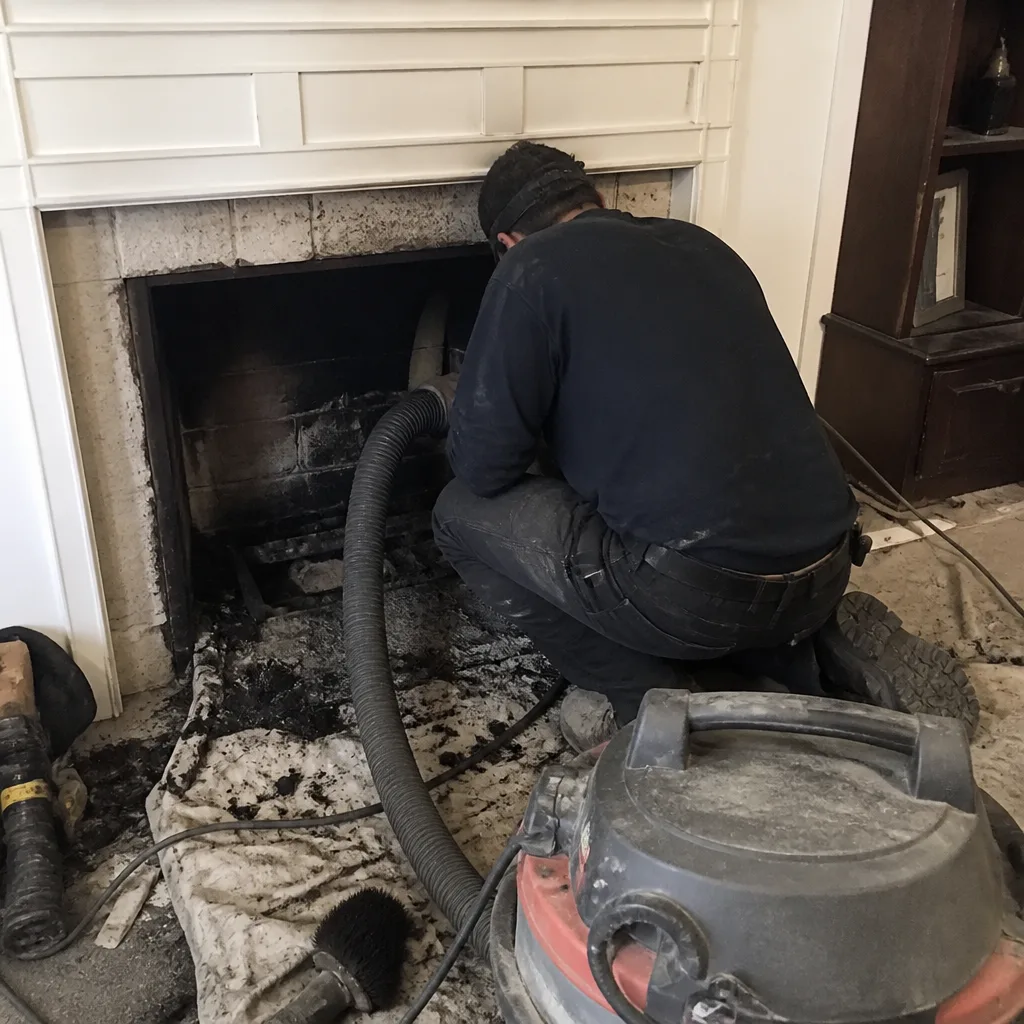 Before
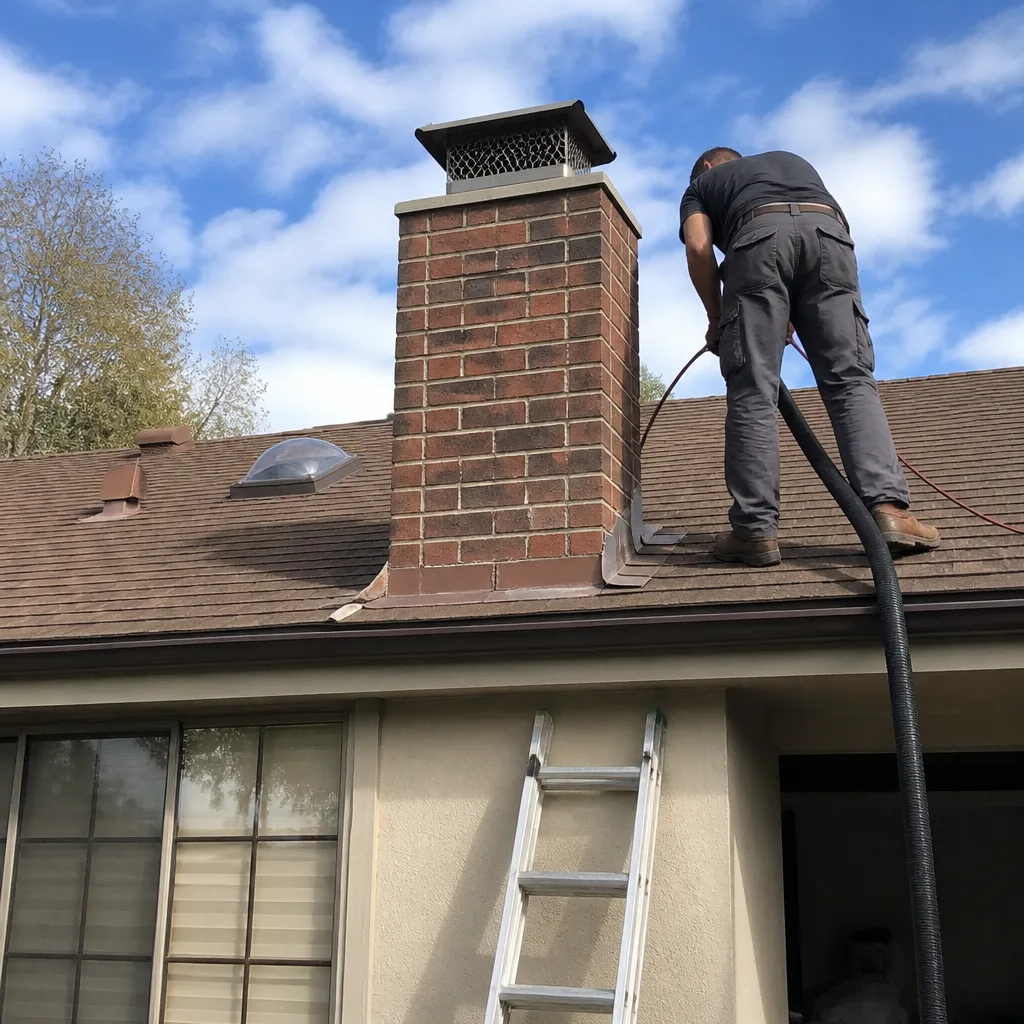 After
After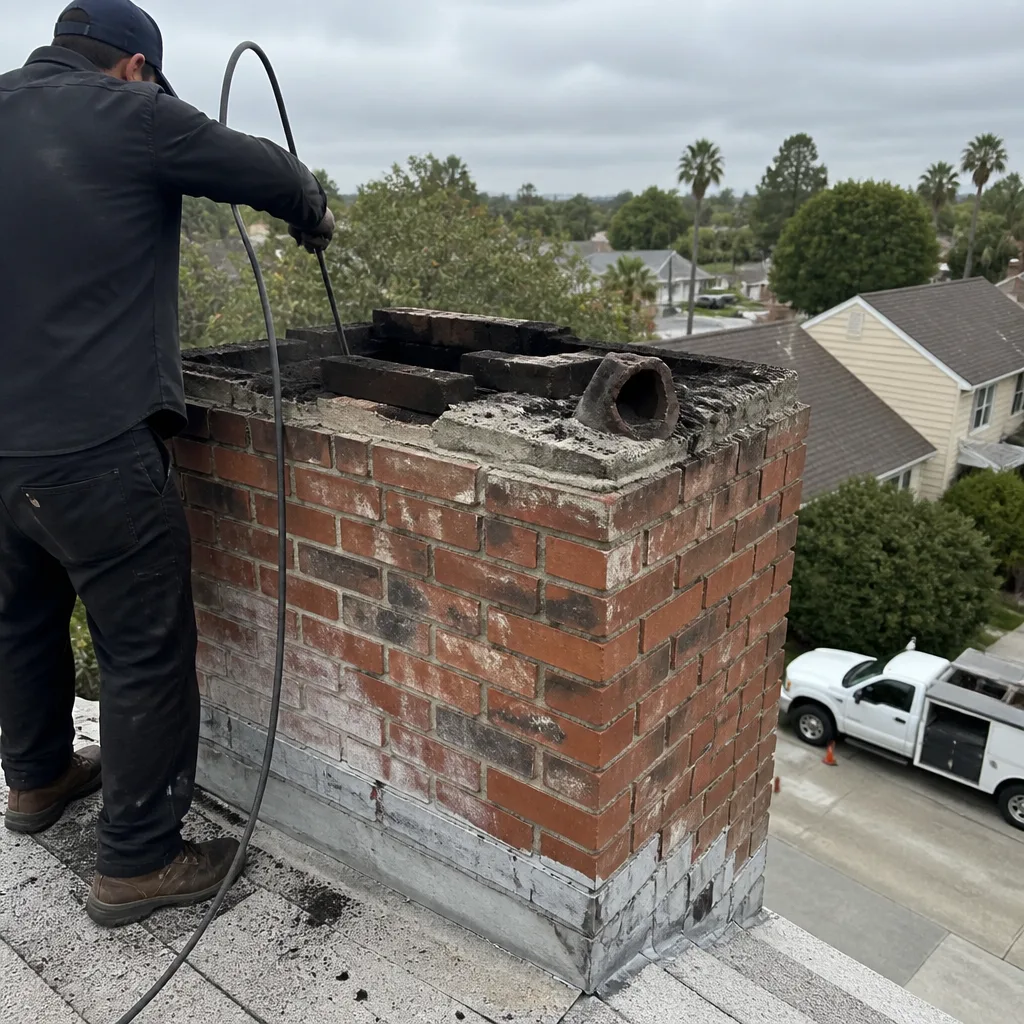 Before
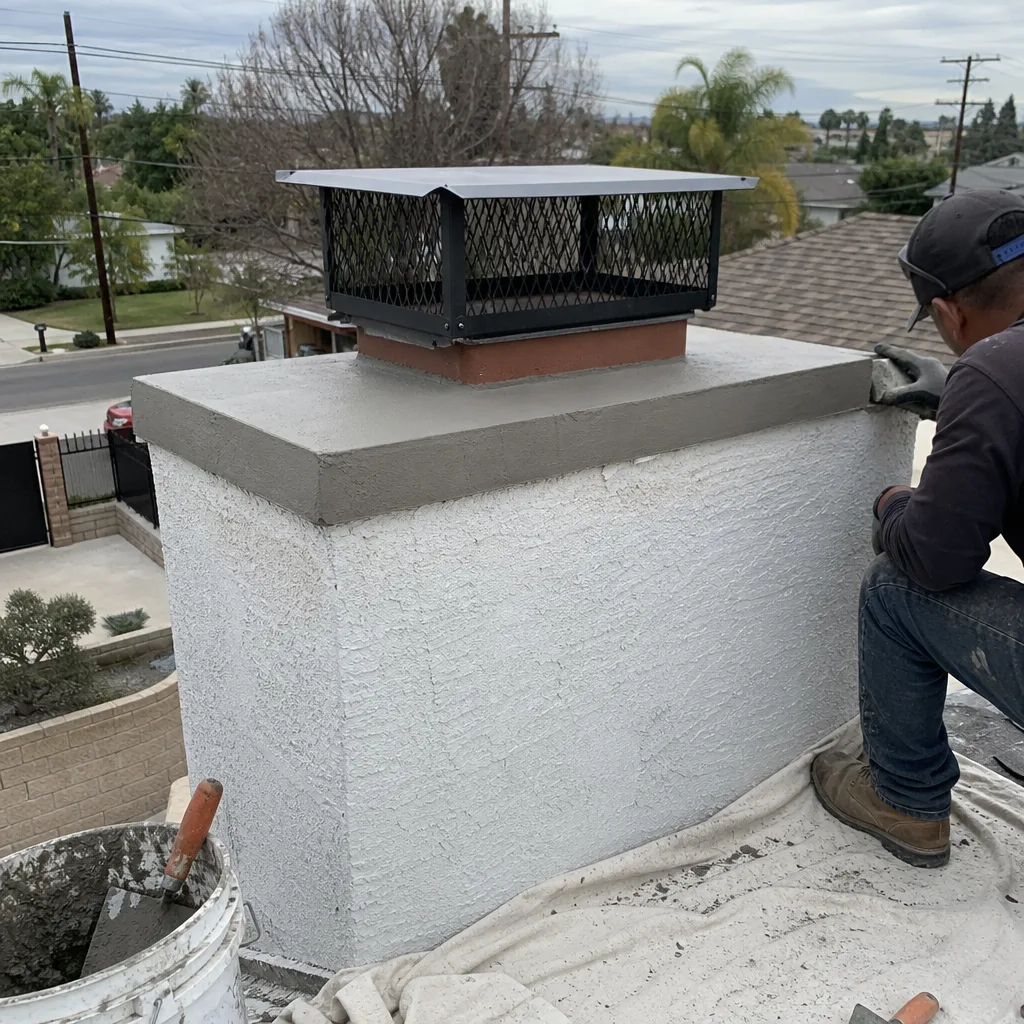 After
After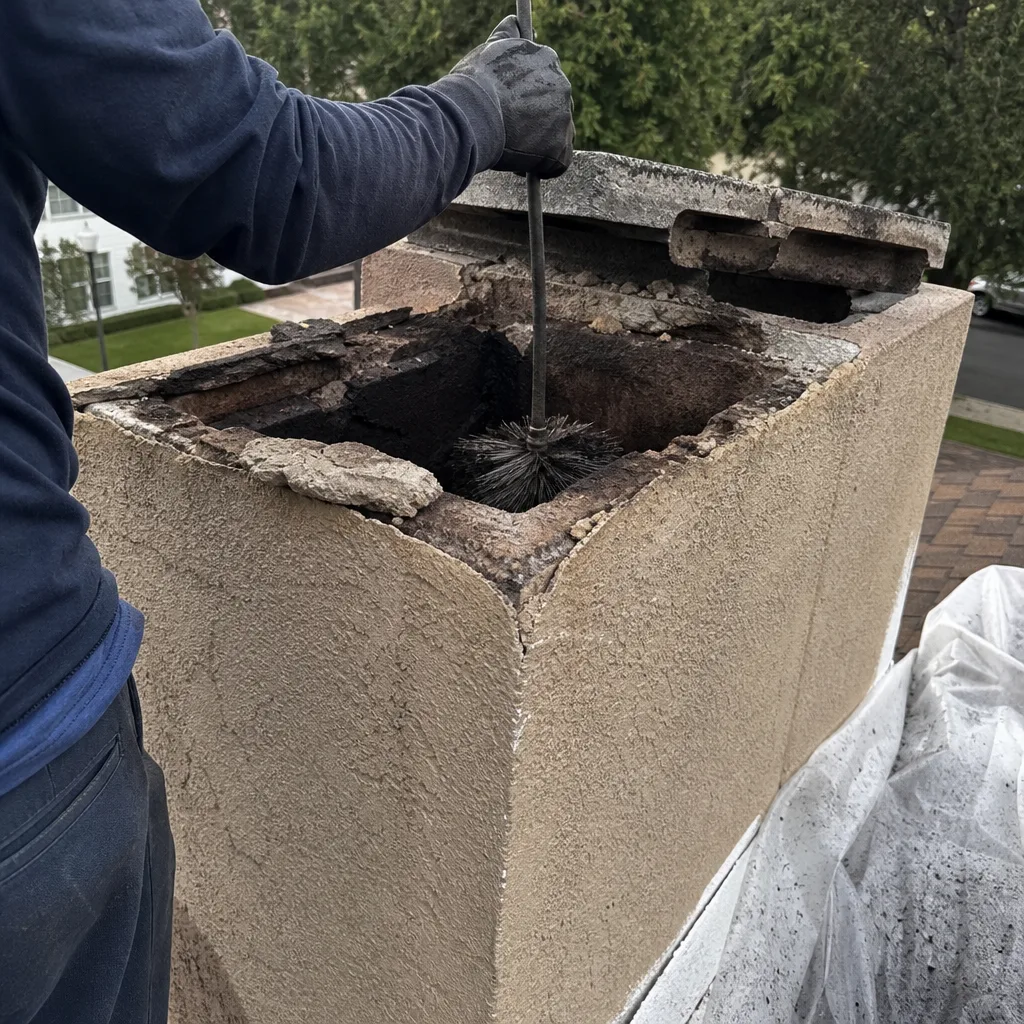 Before
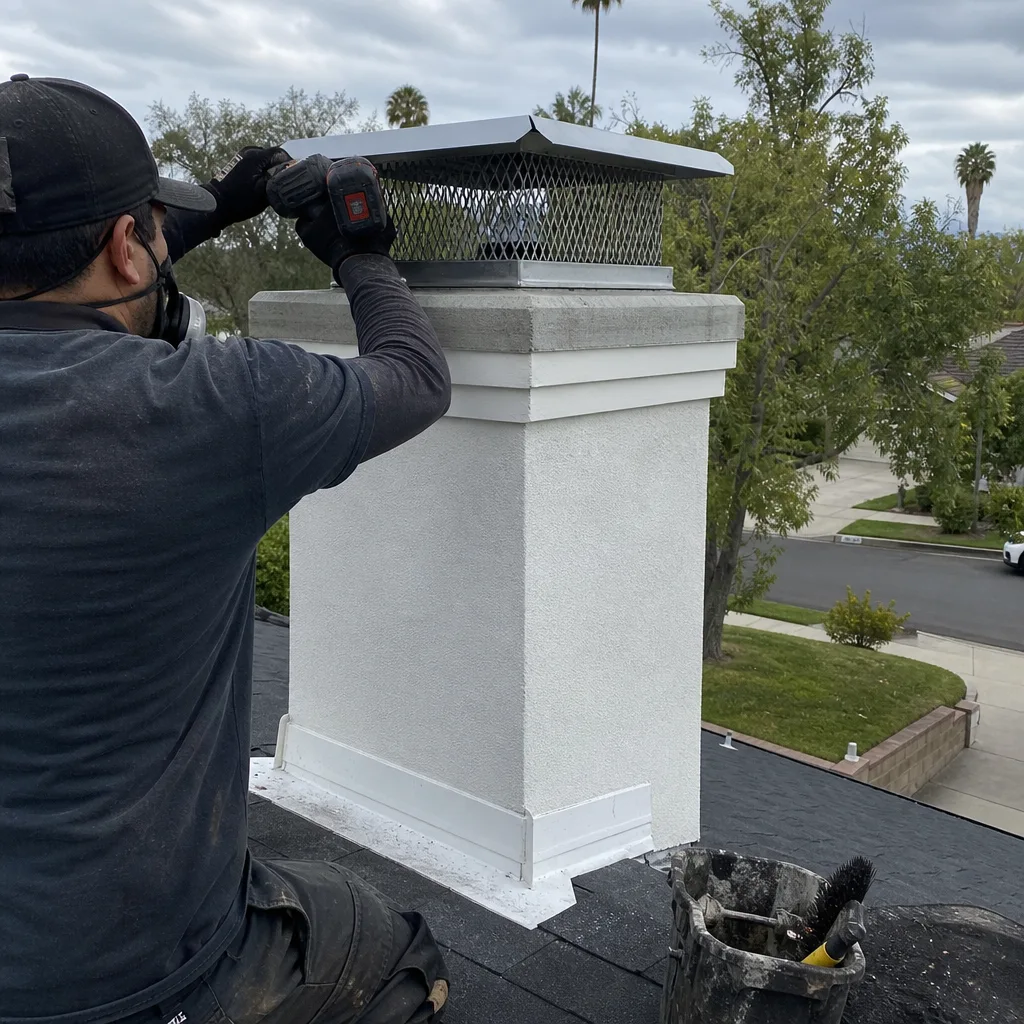 After
After