
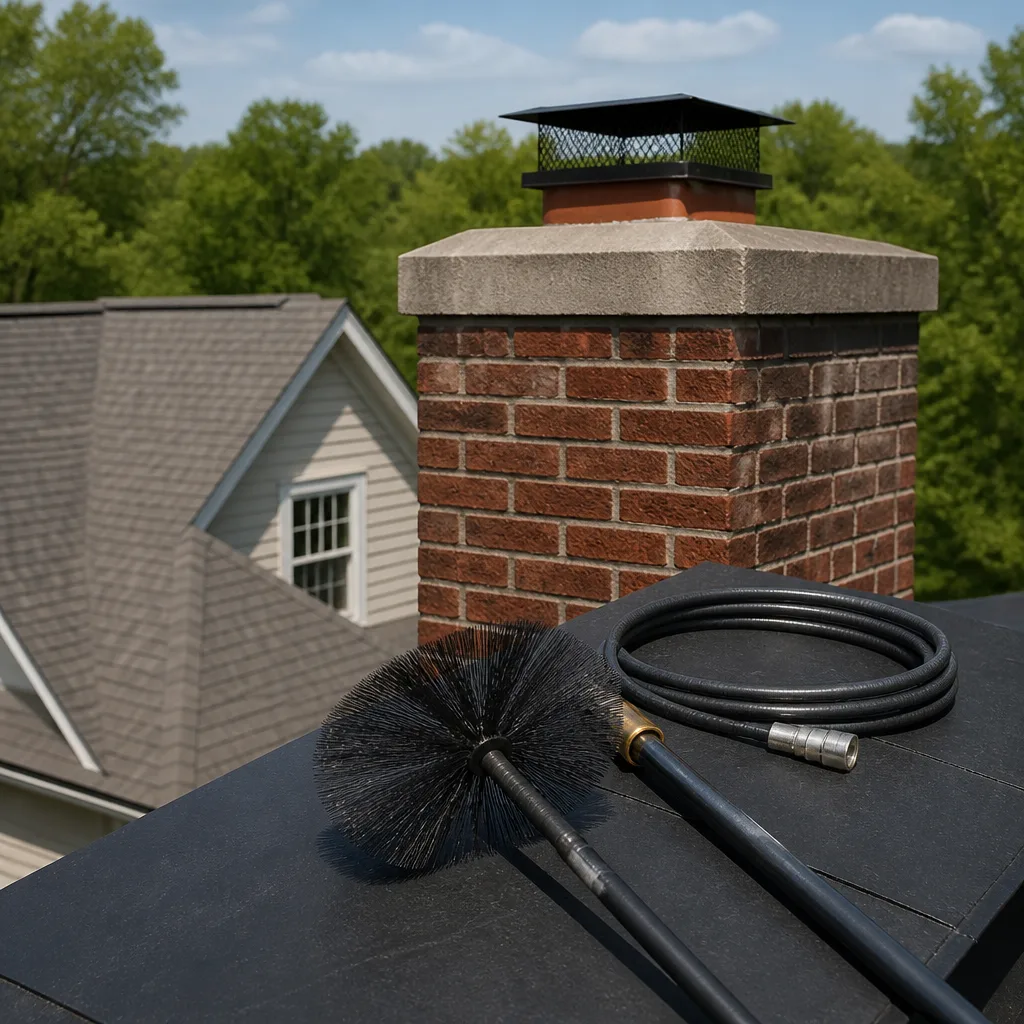
 Sweep & inspection
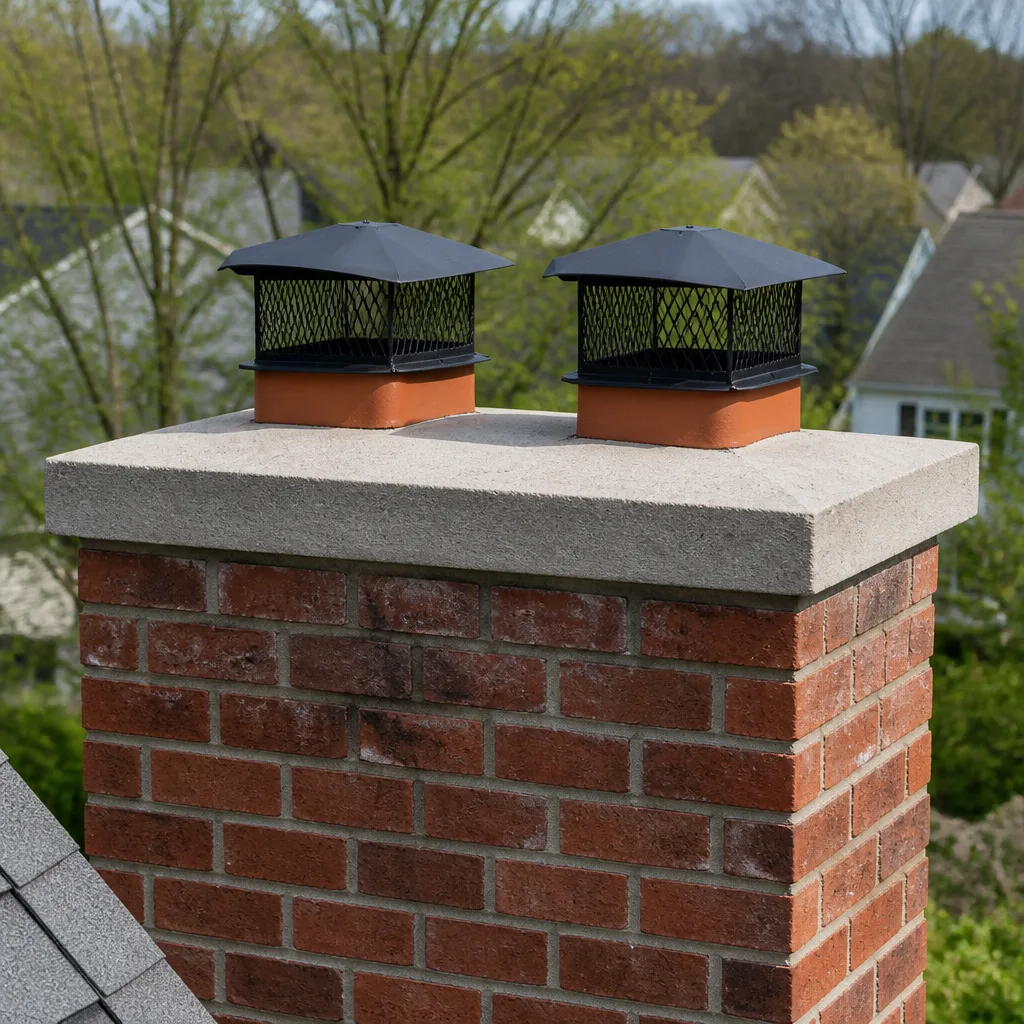 Caps & crowns
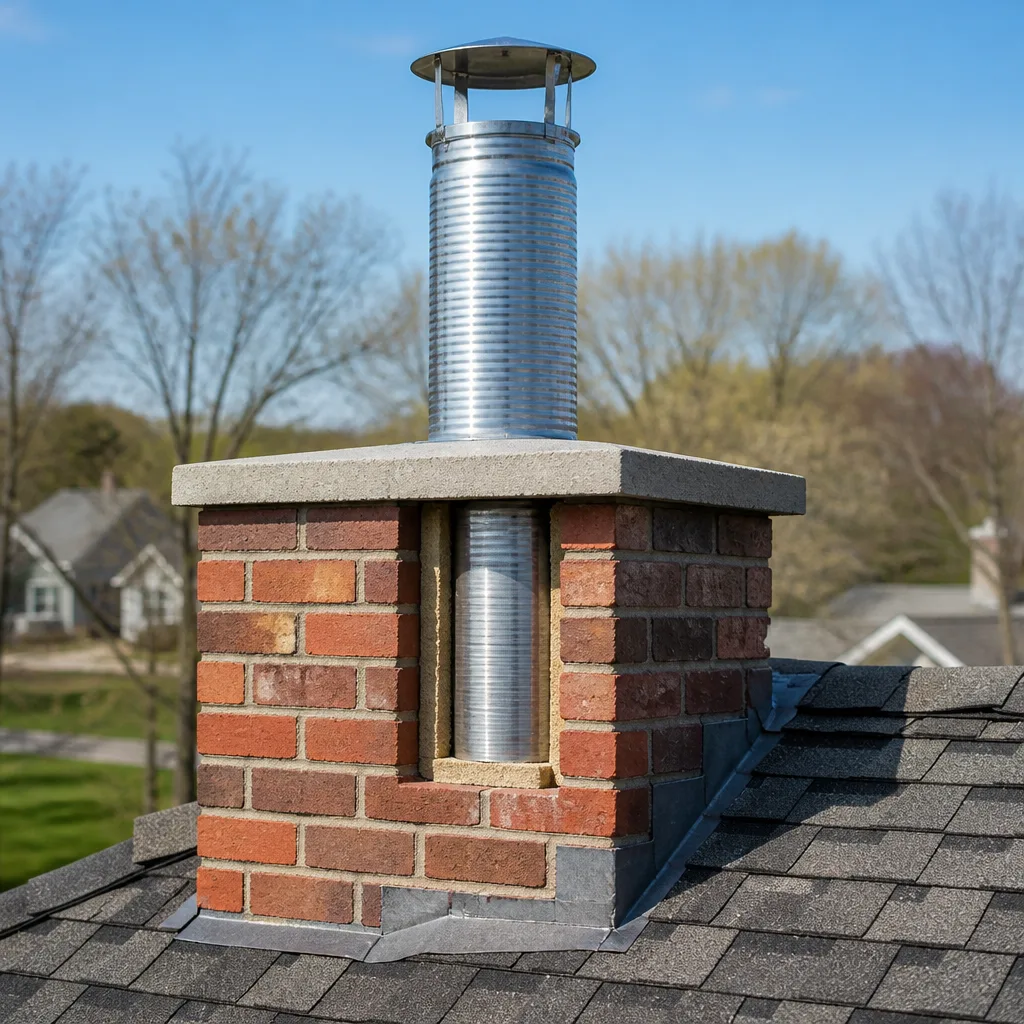 Flue relining
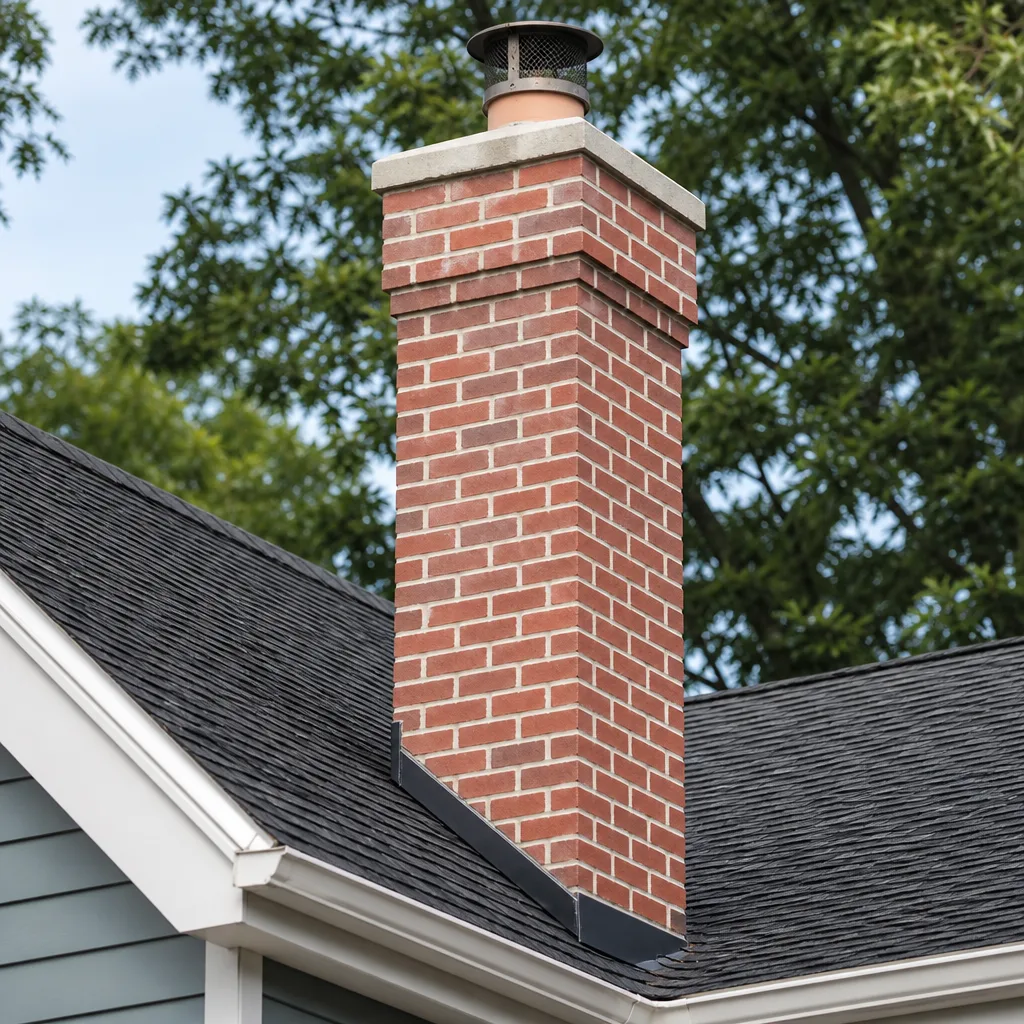 Masonry repair
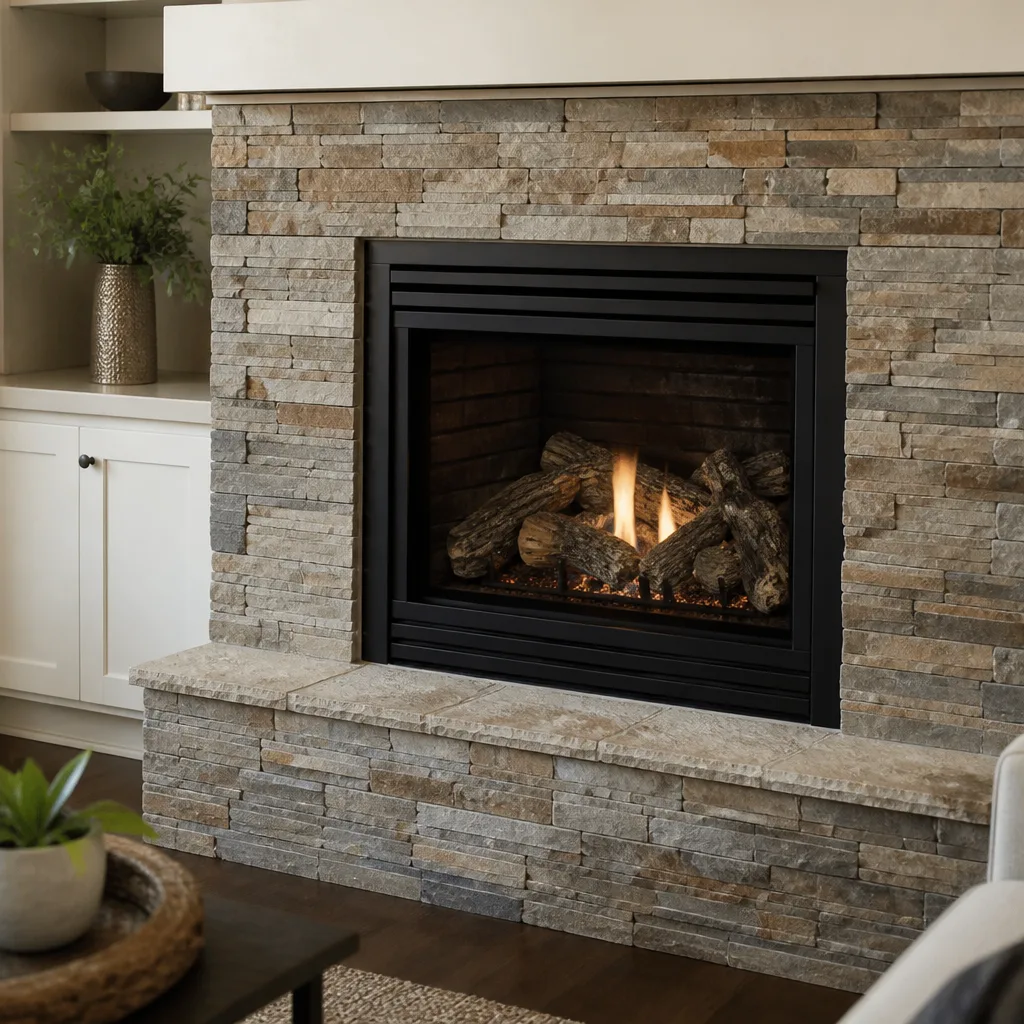 Gas fireplace service
Level 1 sweep and inspection to the NFPA 211 annual standard - flue, crown, cap, and flashing checked and photographed
Chimney sweep logs do not sweep chimneys. They loosen some creosote - which then falls where a brush and vacuum still have to collect it.
HeatShield Chimney Cap Installation: The Los Angeles Owner’s Guide
HeatShield chimney cap installation in Los Angeles typically runs $325 to $640 installed, and we complete most replacements in a single visit. The cap sits at the very top of your flue and takes the full force of every Santa Ana gust, every marine layer morning, and every rooftop raccoon in the LA basin. You usually discover it failed one of two ways: you spot rust or a missing lid from the ground, or water starts staining the ceiling near the fireplace after a good rain. We stock common HeatShield-compatible sizes on the truck, and we can fabricate or order oddball dimensions within a few days.
Nathan Corliss has been working on Los Angeles chimneys since he started as an apprentice after trade school, and the HeatShield brand earned its reputation for a reason: the caps are built from heavier stainless than most box-store alternatives, but the mounting hardware is where we see failures. That is not a knock on the product, just field reality in a city where rooftop temperatures swing 40 degrees between June gloom and a September heat wave.
Which HeatShield Models This Applies To
HeatShield produces two cap families that cover most residential installs in Los Angeles: the standard single-flue cap and the multi-flue cap sized for homes with two or more flues sharing a crown (common in 1920s Spanish-style houses from West Adams to Highland Park). The single-flue caps come in standard diameters from 6 to 13 inches, in 1-inch increments, and slide over either a round clay tile or a round metal flue. The multi-flue units are built to be bolted to the chimney crown itself, so the critical measurement is the width and depth of your entire flue chase, not one individual flue.
The model number is stamped on the cap body or its wind band, usually a letter prefix followed by the diameter, like HS-8 for an 8-inch single-flue or MF-16×30 for a larger custom footprint. If the stamp has worn off (which happens fast on the west-facing cap side, thanks to ocean air and UV), we measure the flue opening and the crown chase directly. HeatShield caps work well here, but the aftermarket hardware question matters less than the measurement question. We stock the exact HeatShield sizes that cover roughly 80 percent of the chimneys we see across Los Angeles; for the rest, we order from HeatShield and install within a week. We are an independent chimney service, not a HeatShield dealer, so we stock it because it holds up in this climate, not because we are obligated to.
Styles & brands we work with
Signs Your HeatShield Chimney Cap Installation Is Failing
- Water stains on the ceiling or firebox wall after rain. This is the classic. The cap’s mesh or lid has rusted through or the storm band has separated from the flue, and rain is now running straight down the flue instead of being deflected.
- You hear clanging or scraping from the chimney during Santa Ana winds. The mounting bracket or legs have loosened, and the cap is moving against the flue tile or crown. That movement accelerates wear and can crack an old clay tile below the cap line.
- Evidence of birds, squirrels, or nesting material inside the flue. The side mesh screens were designed to keep animals out, but a torn screen or a peeled corner is an open invitation to birds looking for a dead-end cavity. A squirrel once wedged an entire Los Angeles City Hall of leaves and palm fiber into a HeatShield cap before we got called out.
- Visible rust streaks on the cap body or on the crown below it. Surface rust on older caps is common, but when it streaks rust-colored water down onto the crown, the metal is thinning and the cap is near the end of its life.
- The cap sits visibly crooked or tilted when viewed from the street. That usually means one of the mounting fasteners has failed, the wind has pushed the cap into a lean, and the water-shedding angle is no longer working.
See the difference
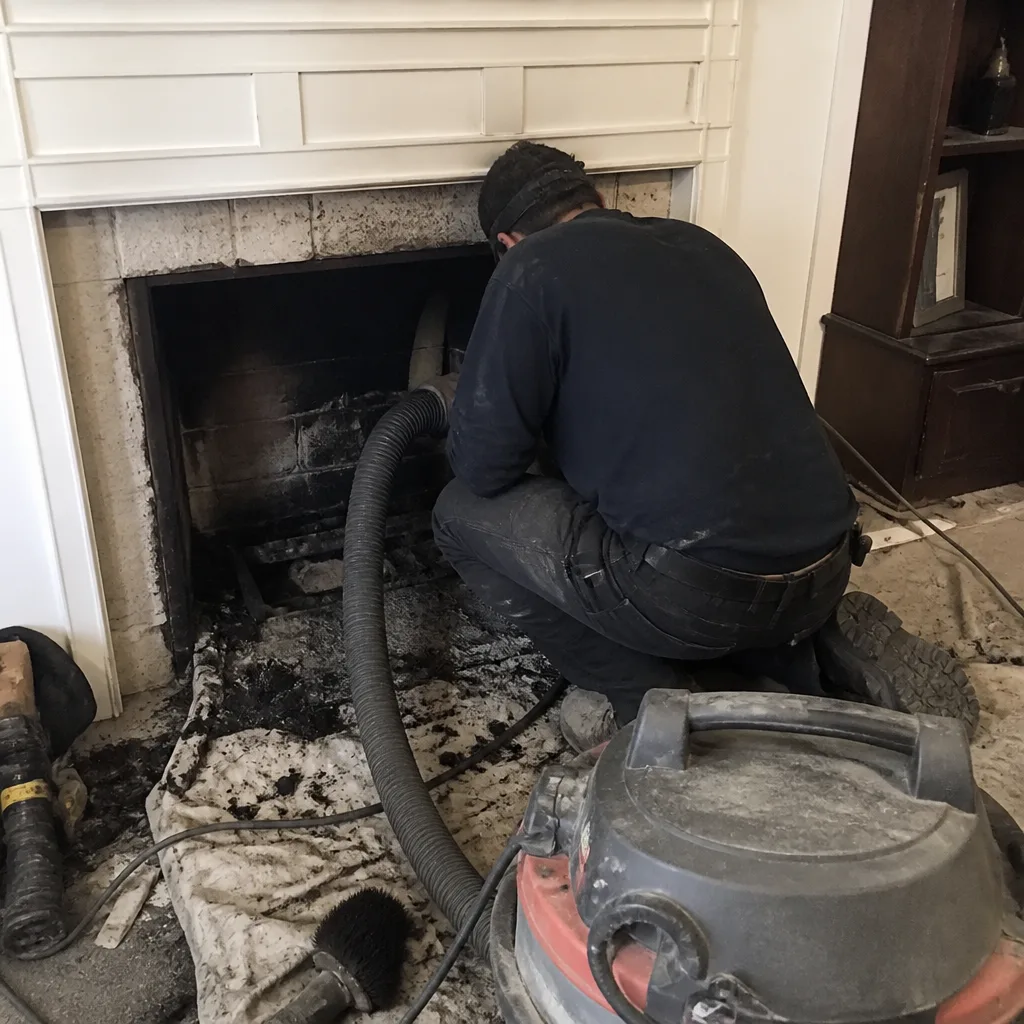 Before
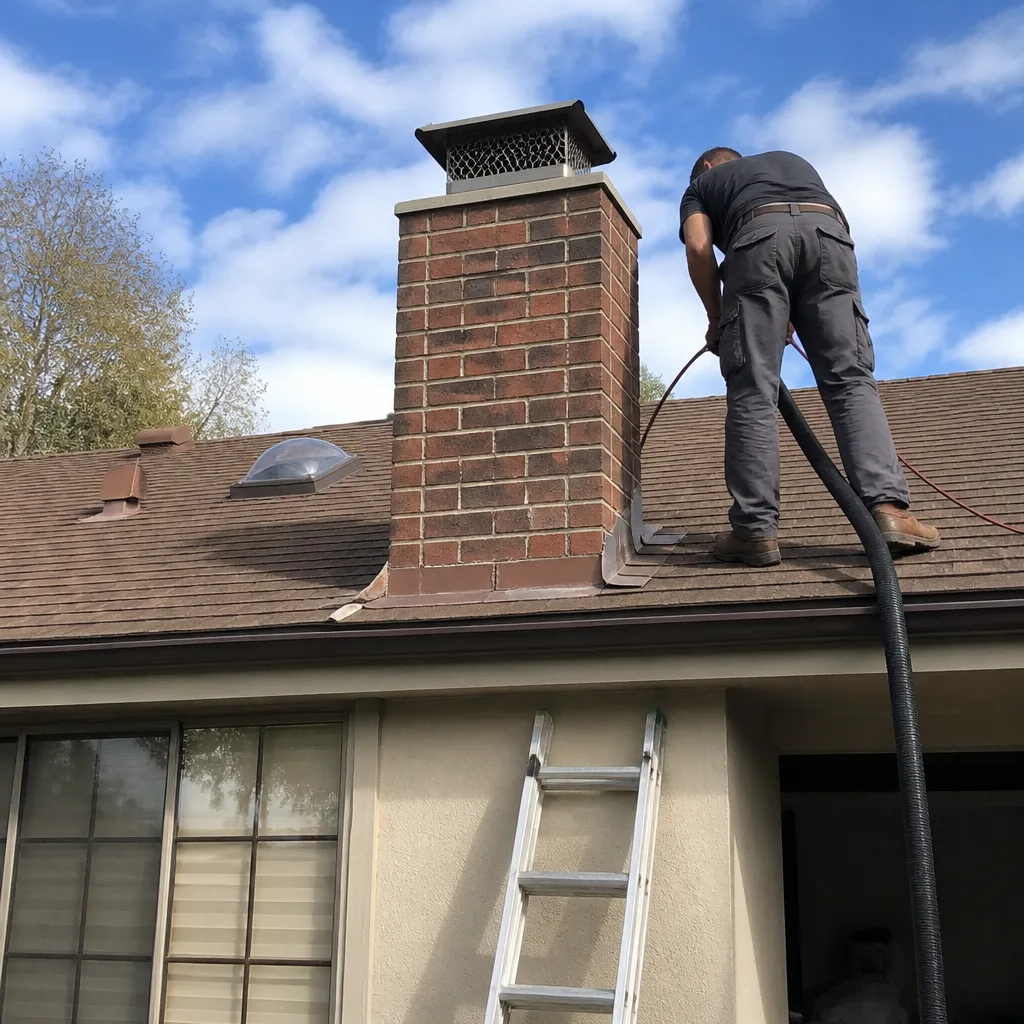 After
After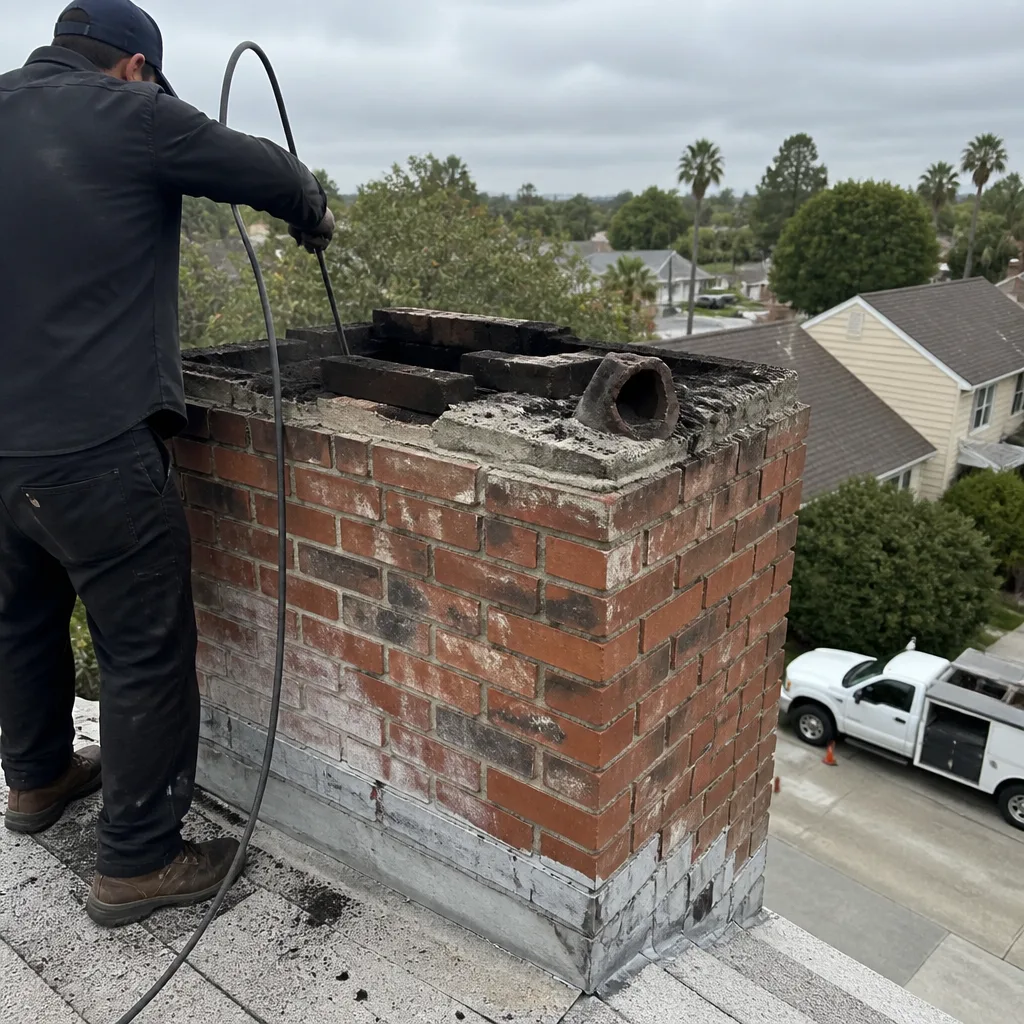 Before
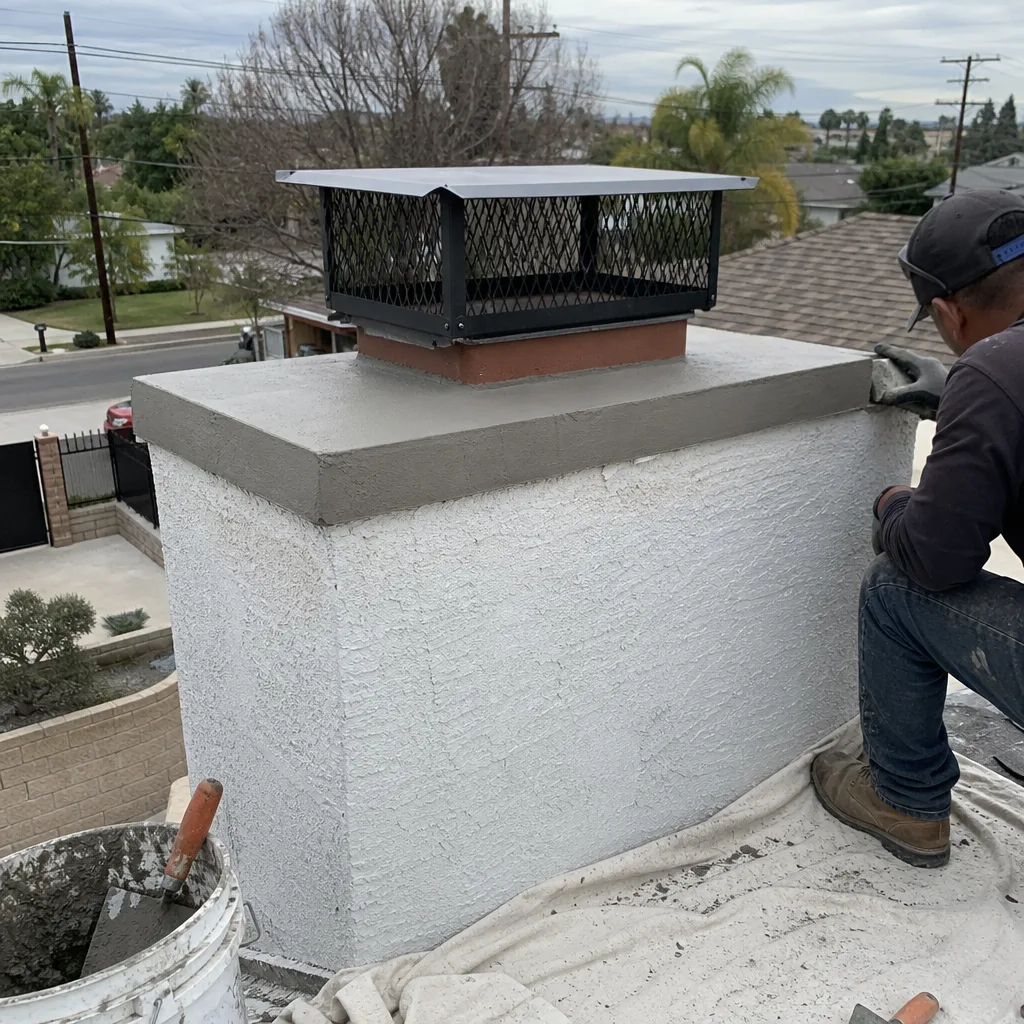 After
After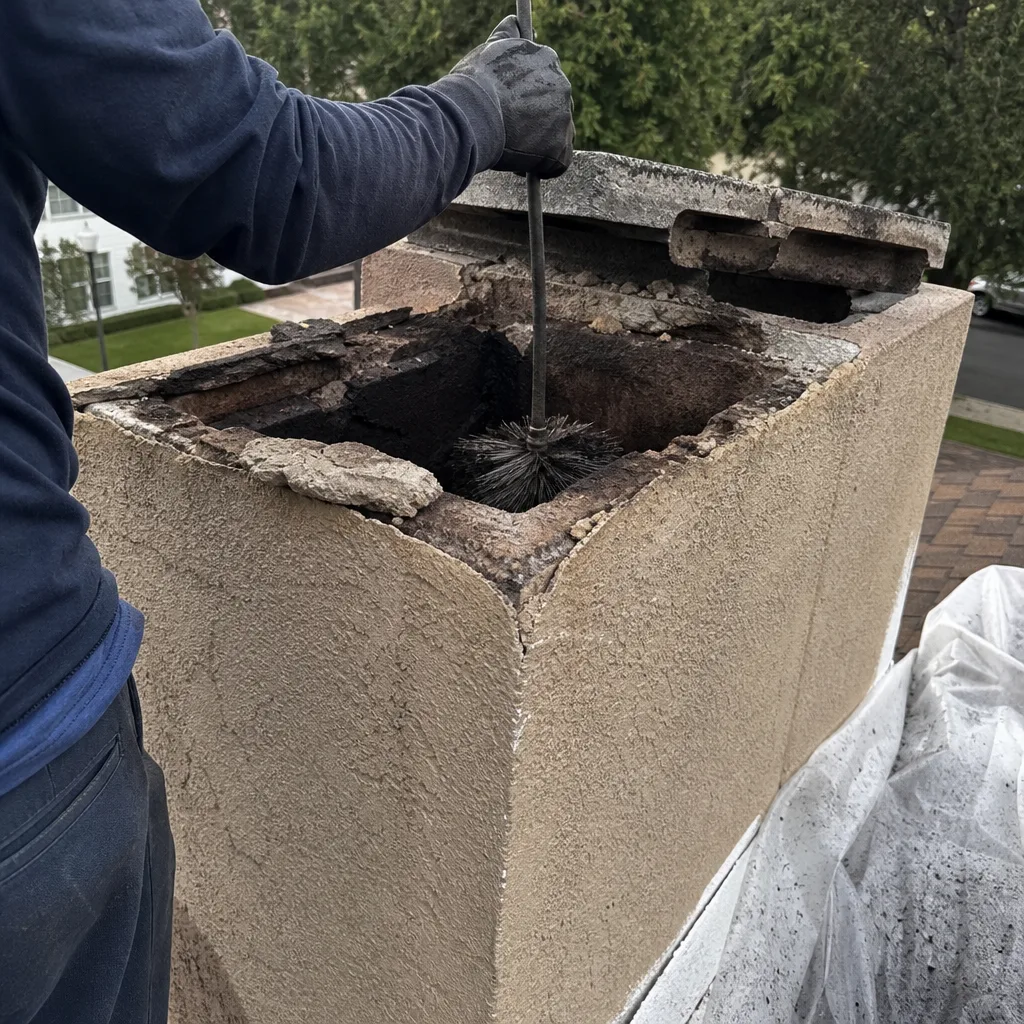 Before
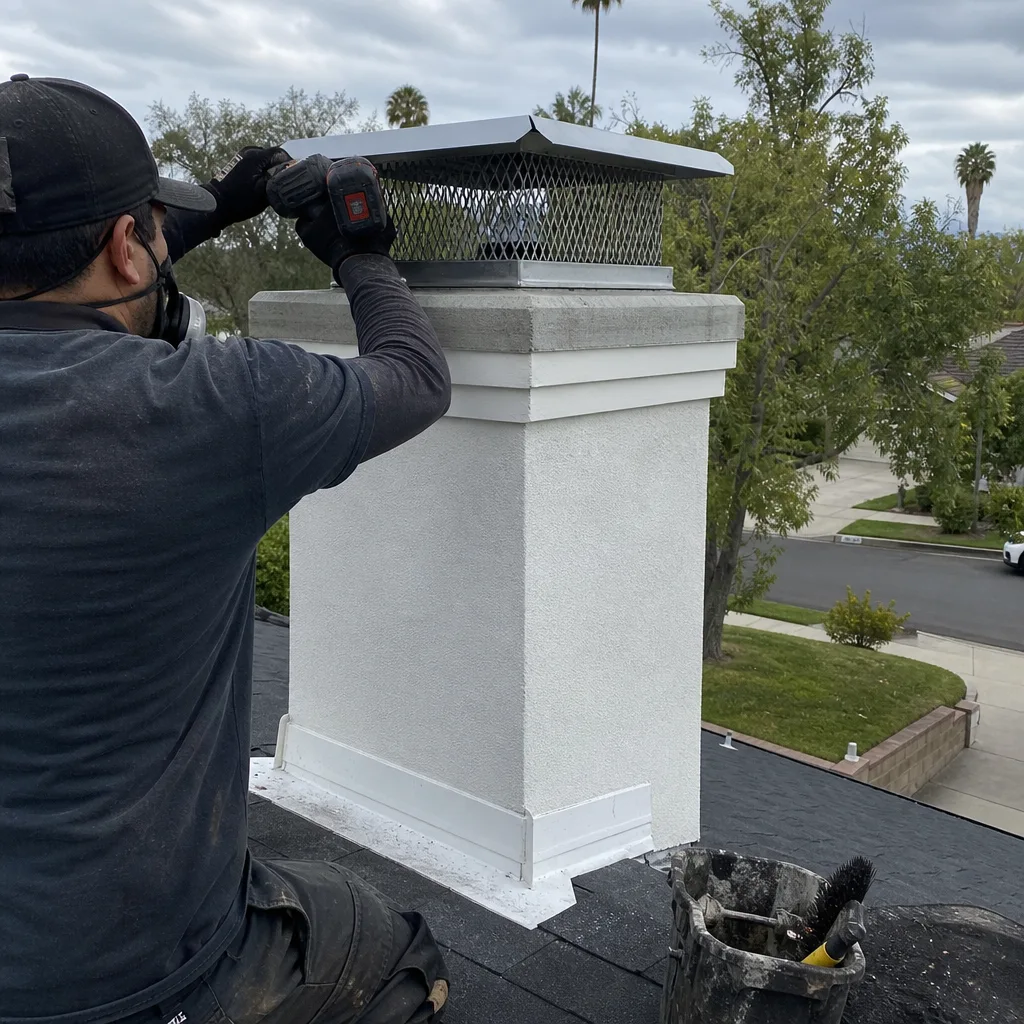 After
AfterReplacement Cost & What’s Included
Installed HeatShield cap replacement in Los Angeles runs $325 to $640 for most single-flue homes, and $480 to $760 for larger multi-flue caps. The spread comes down to three things: the cap size itself, whether the existing mounting surface (the flue tile or crown) needs prep before the new cap goes on, and roof access difficulty, which on some Los Angeles hillside houses involves a second-story ladder setup. Parts make up the larger share of the bill. The HeatShield cap itself is the expensive piece, and our labor for a standard install is straightforward. As with every job we do, you receive a written price before any work starts, and the number on the invoice matches the number we quoted at the door, no exceptions.
DIY or Call Us?
A homeowner can safely check three things from the ground: whether the cap is visibly tilted, whether rust streaks are visible, and whether any mesh panels look torn or open when viewed with binoculars. What you should not do is get onto a steep Los Angeles roof with a drill, a new cap, and a hope. Cap replacement means working at the roofline, often on tile or pitched surfaces, and a wrong step on a Spanish tile roof in Glendale or Echo Park is not a learning experience, it is a hospital visit. The work itself is not complicated for a trained sweep, but the access is. We do this work every week across LA, and we would rather have you call us than risk a fall.
If you are not sure whether your cap actually needs replacing, call (213) 652-7061 and we will schedule an inspection, give you a written price, and show you exactly what we are seeing before any work is approved.
FAQs
A properly installed HeatShield cap lasts 10 to 15 years in Los Angeles, with the coastal fog and Santa Ana sun shortening that span compared to drier inland climates. The cap body holds up well, but the hardware and mesh are the first components to show wear, usually around year 8 to 10. Call (213) 652-7061 for an inspection if your cap is at that age, estimates are free.
In most cases, no. HeatShield caps are made as welded or riveted assemblies, and once the mesh tears or the storm band separates, there is no field-repair that restores the cap to full integrity. We have seen owners try to patch mesh with hardware cloth, and it always fails within a season. We would rather tell you a repair is not worth your money than sell you a patch job.
Most single-flue HeatShield cap replacements take 45 to 90 minutes from rooftop setup to final check. Multi-flue caps and installs that require crown prep or flue repair can take longer. We schedule the work in a real arrival window, and your price is written before the ladder comes off the truck.
We stock common HeatShield single-flue sizes on the truck, and the common multi-flue widths. If your cap size is not on the truck, we order it from HeatShield and schedule the install within a week. We also keep parts from DuraFlex and Gelco on hand, so if the cap failure has exposed a bad flue section, we can often address it in the same visit.
Written by Nathan Corliss, Owner, Ashby Chimney Los Angeles at Ashby Chimney Los Angeles, serving Los Angeles and nearby areas.