
Last updated October 15, 2026
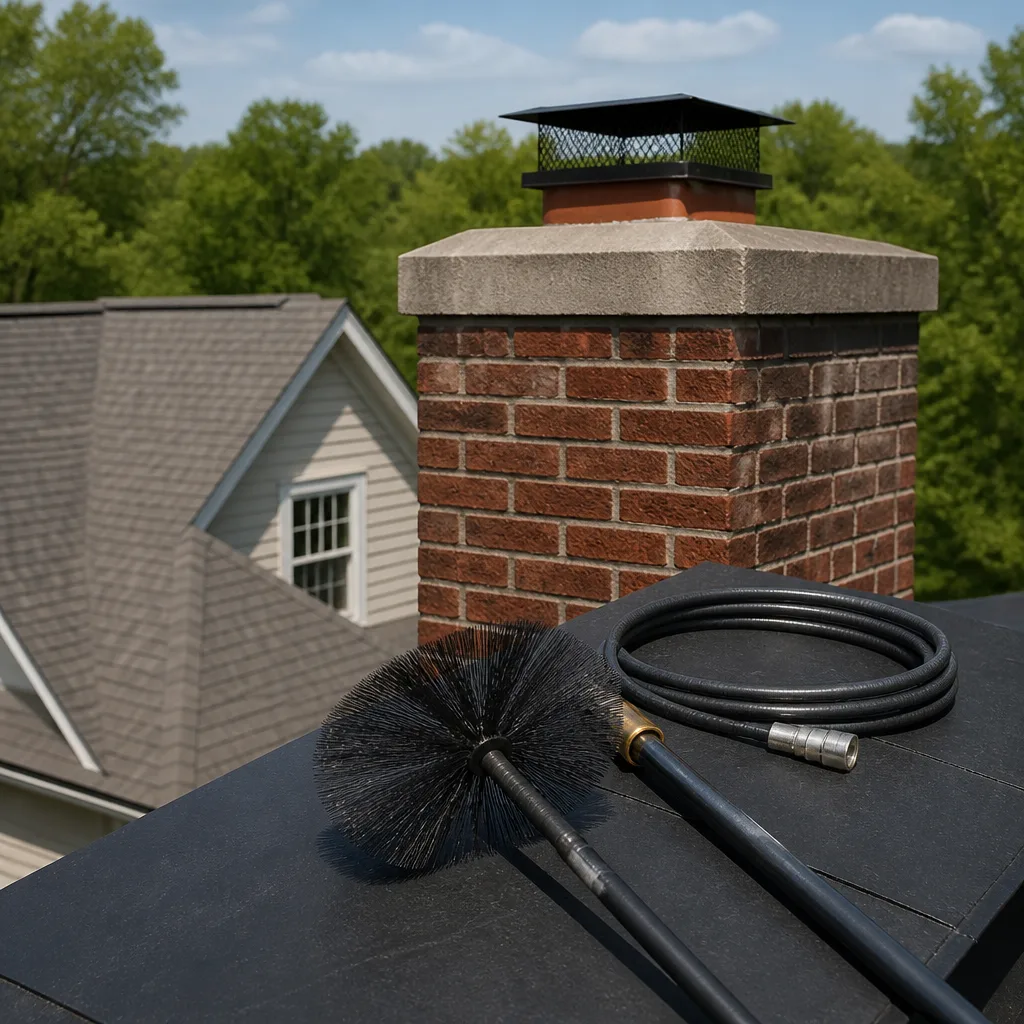 Sweep & inspection
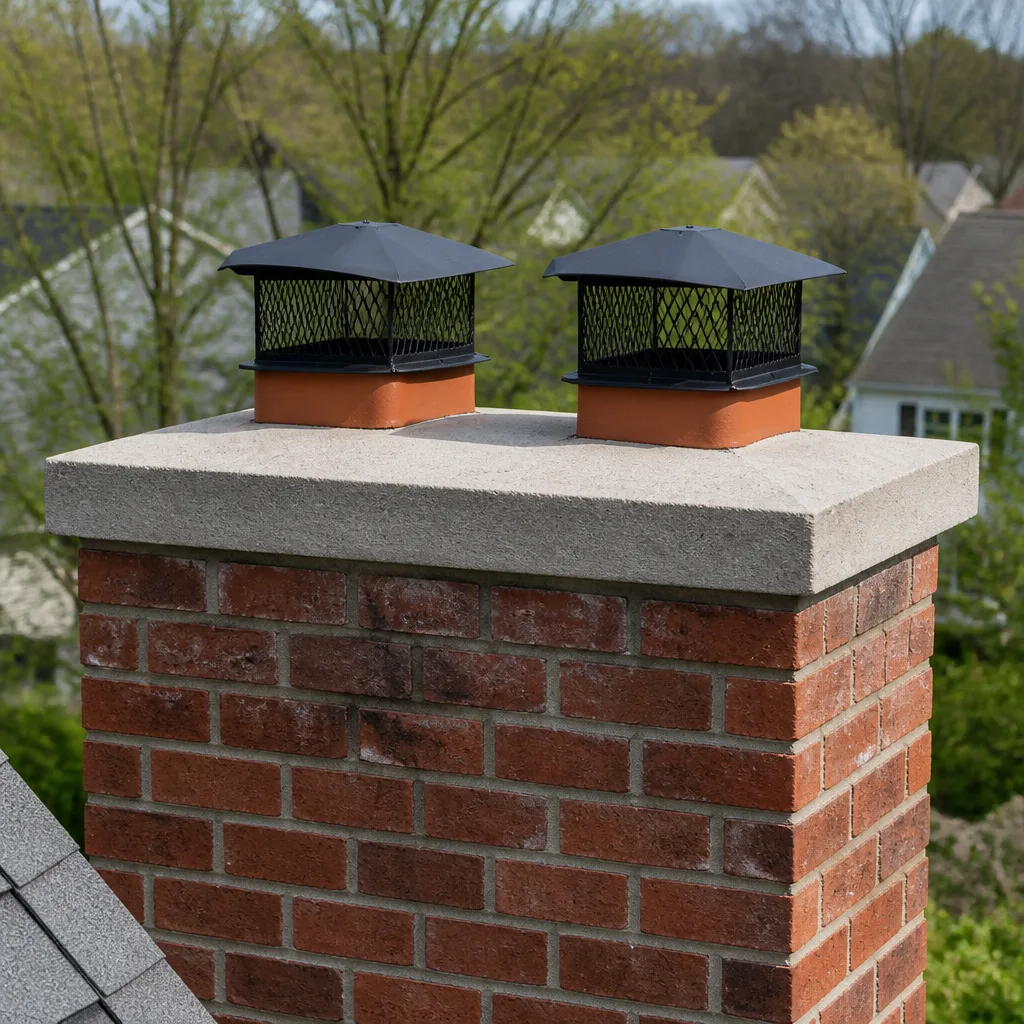 Caps & crowns
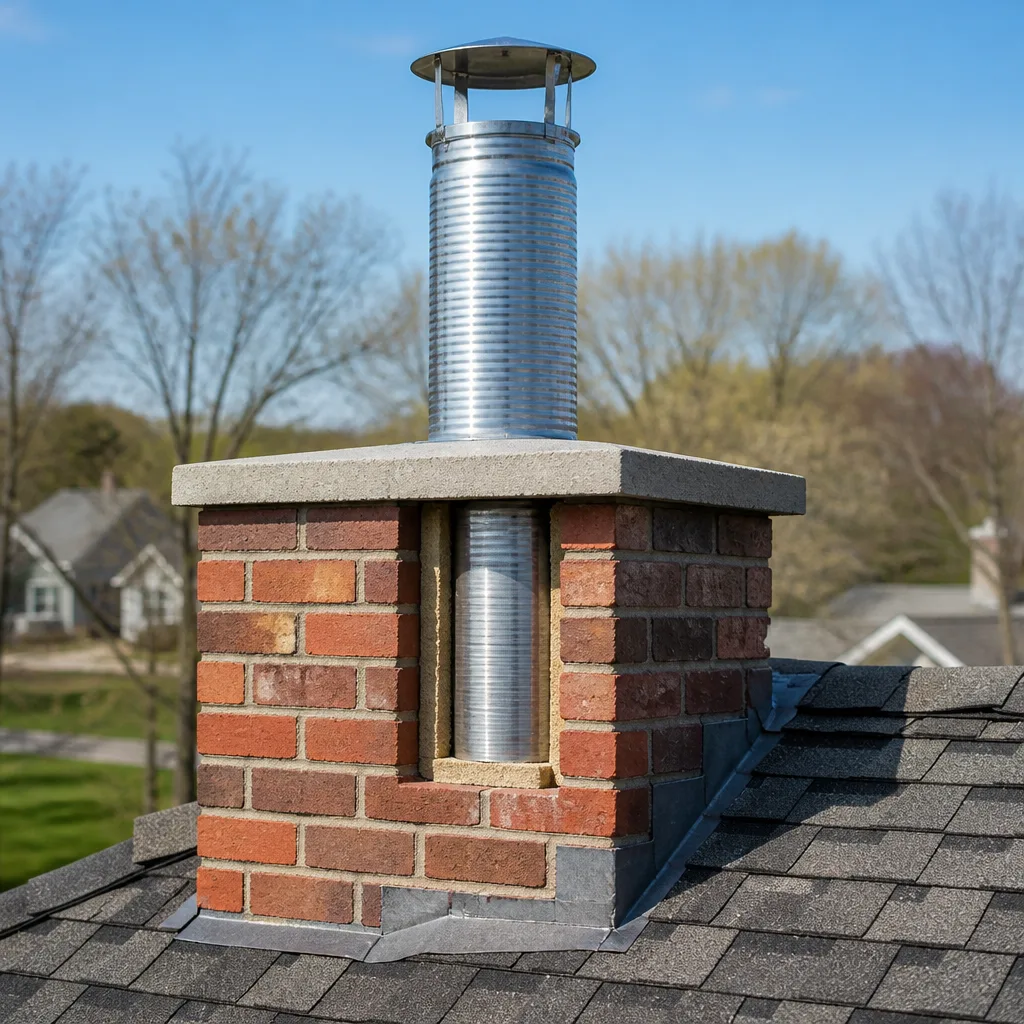 Flue relining
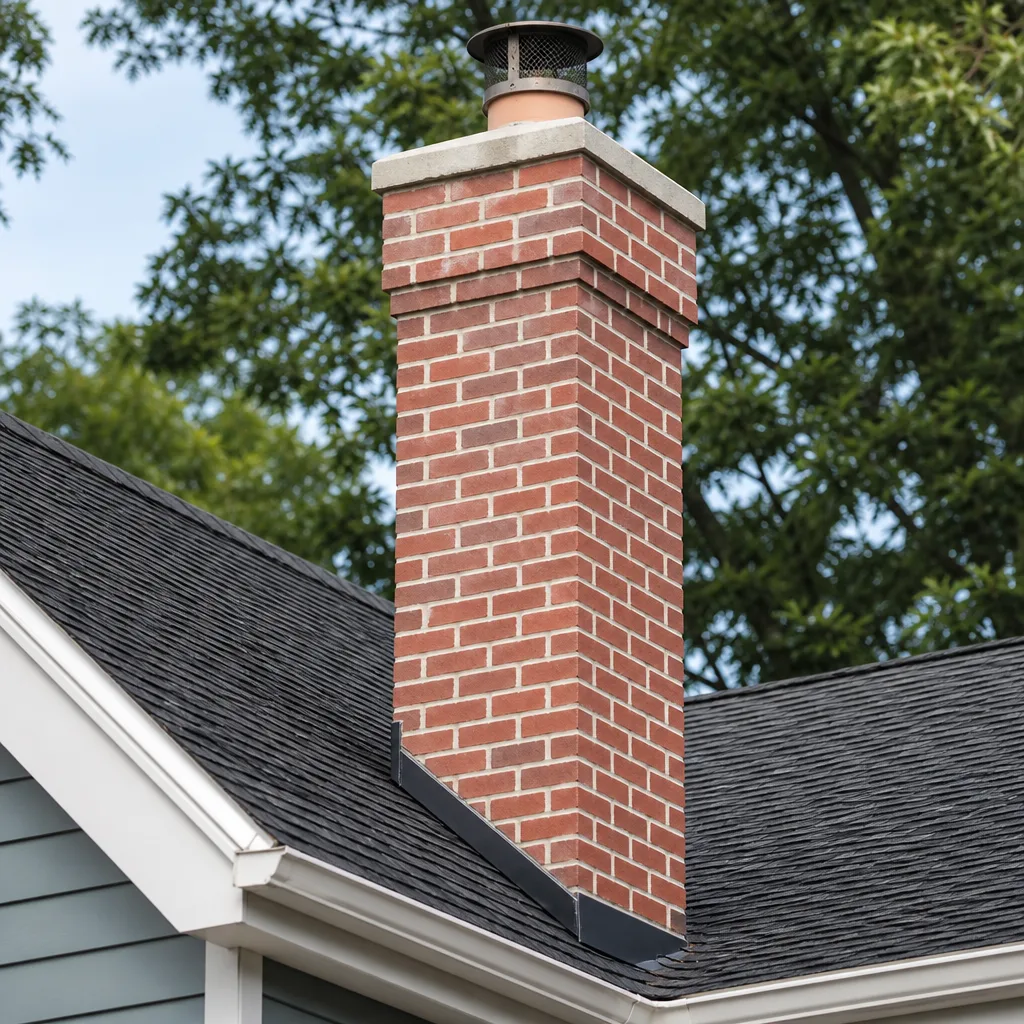 Masonry repair
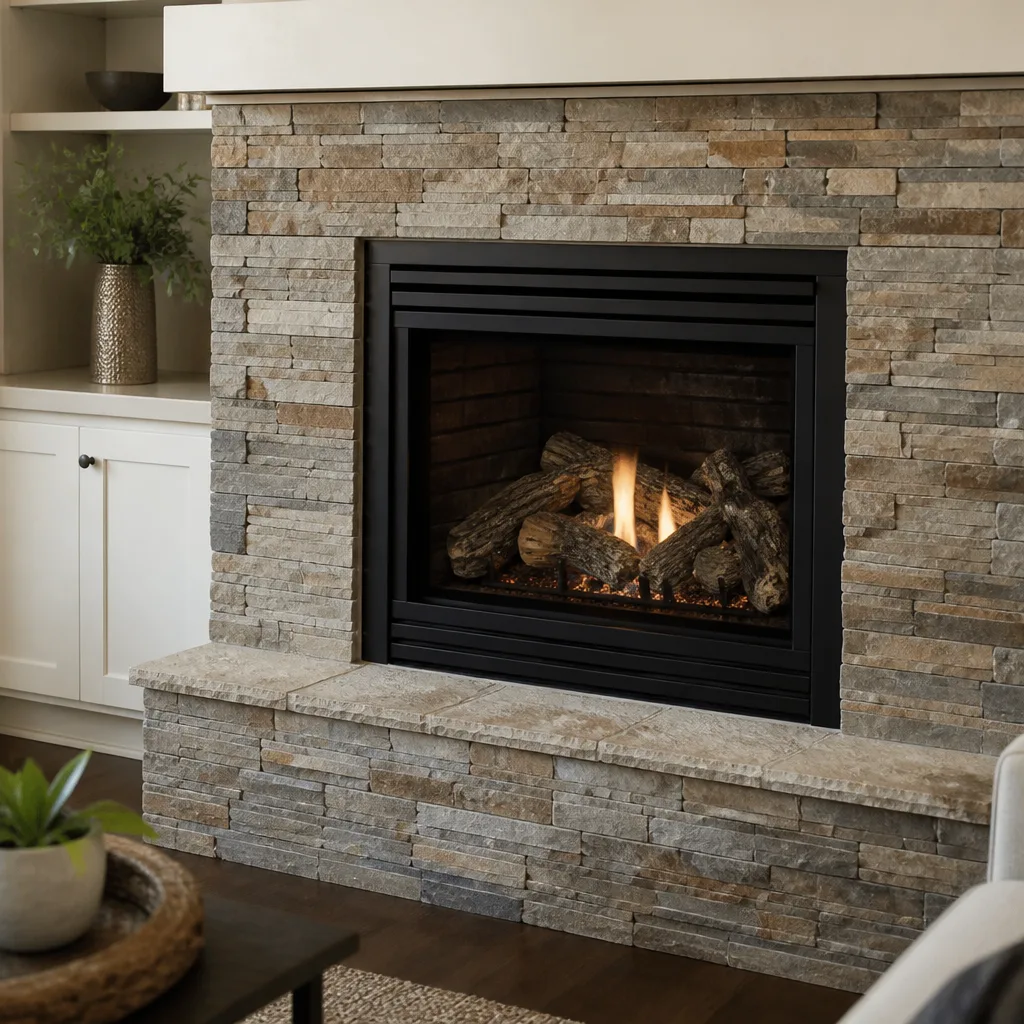 Gas fireplace service
Level 1 sweep and inspection to the NFPA 211 annual standard - flue, crown, cap, and flashing checked and photographed
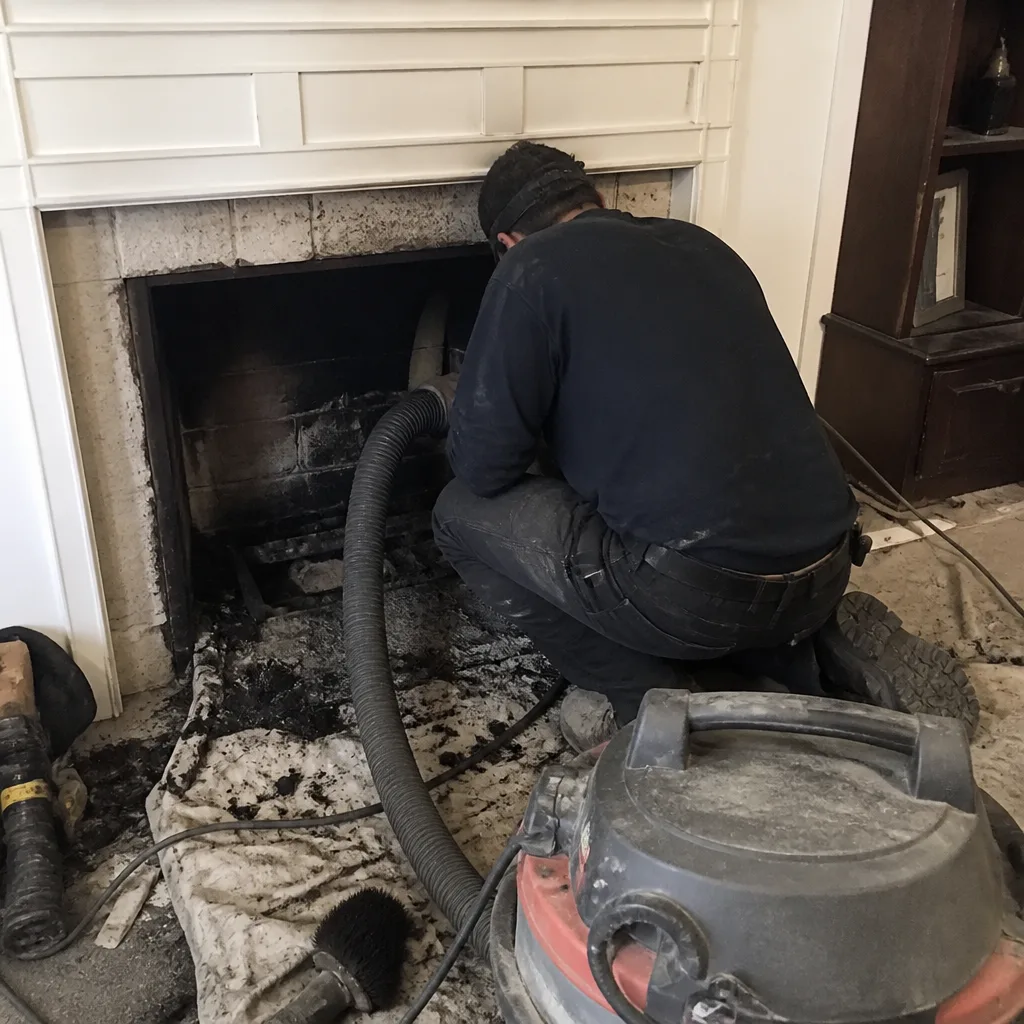
Chimney sweep logs do not sweep chimneys. They loosen some creosote - which then falls where a brush and vacuum still have to collect it.
Chimney Cleaning Permits, Codes & Inspections in CA: What You Need to Know
Unpermitted chimney liner replacements are one of the most common defects flagged in Los Angeles home sale inspections. Not because homeowners were being shady. Because a contractor simply never mentioned a permit was needed. You pay for the repair, you assume it was done legally, and five years later it surfaces during escrow as a disclosure problem. This guide walks through exactly which chimney services need a permit in California, which never do, how the City of Los Angeles enforces it, and how to protect yourself before, during, and after the work.
Styles & brands we work with
Quick Answer
Routine chimney cleaning and inspection in California do not require a permit. A chimney sweep is classified as maintenance. But structural repairs – like replacing a flue liner, rebuilding a firebox, or installing a new fireplace insert – usually do require a building permit, and in Los Angeles those permits go through the Department of Building and Safety (LADBS). The line between maintenance and repair is where homeowners get caught. A sweep that turns into a liner replacement without a permit can create problems with insurance claims and real estate disclosure down the road. Call (213) 652-7061 if you want a straight answer about the work your chimney actually needs.
Table of Contents
- Does Chimney Cleaning Require a Permit in California?
- Which Chimney Repairs Actually Require a Permit
- How the LA Department of Building and Safety Handles Chimney Permits
- California Building Code and NFPA 211: What They Require in Plain English
- “Code Compliant” on an Estimate vs. a Permitted, Inspected Job
- How Unpermitted Chimney Work Affects Insurance and Home Sales in California
- Common Mistakes to Avoid
- When to Call a Professional
- Frequently Asked Questions
- The Bottom Line
Does Chimney Cleaning Require a Permit in California?
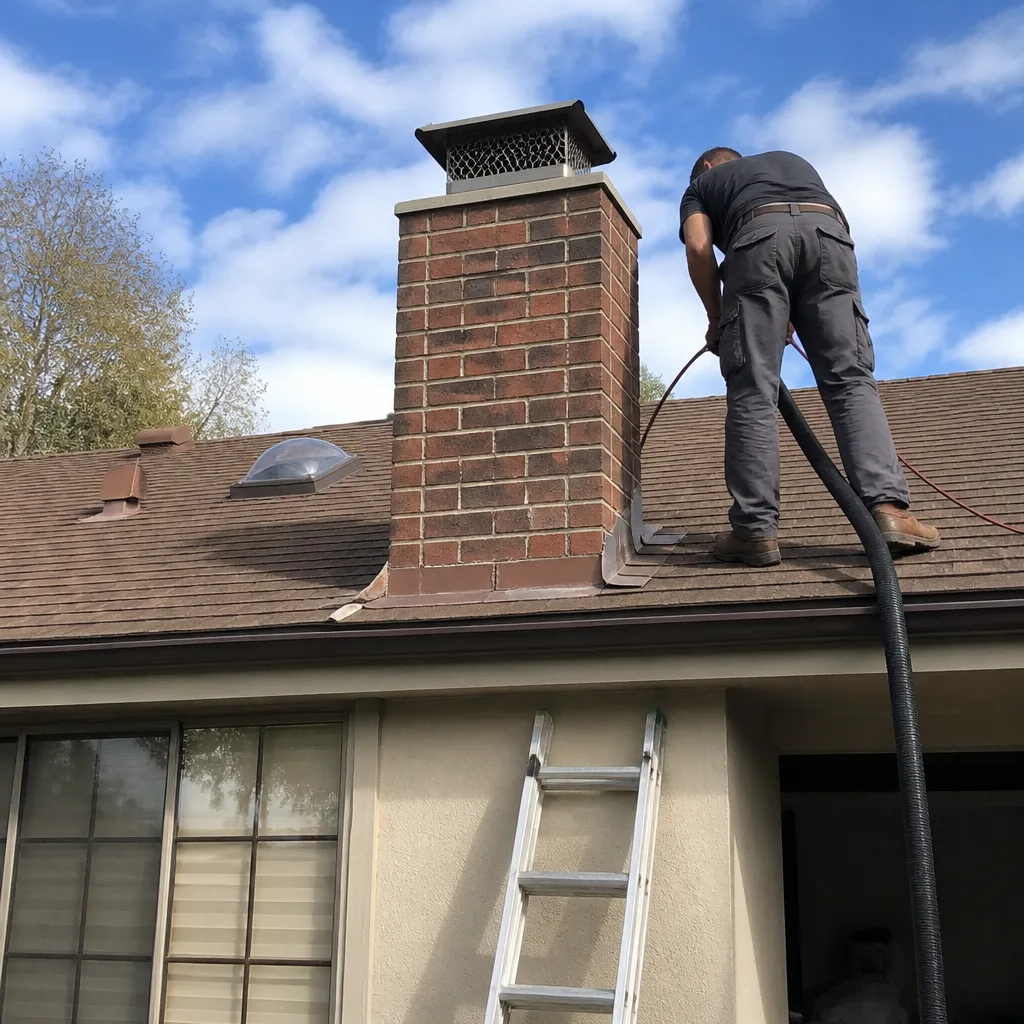
No. A standard chimney sweep – the removal of creosote and soot from the flue – is classified as routine maintenance under California code, and no city in the state requires a permit for it. The same applies to a visual or camera inspection. We sweep chimneys all over Los Angeles, from Sherman Oaks to Silver Lake, and no inspector has ever asked to see paperwork for a brush and a vacuum. The work is non-structural, non-invasive, and restores the flue to the condition it was in before use. That’s the legal test: does the work alter the structure or the venting system? Cleaning doesn’t. So no permit, no inspection, no LADBS involvement.
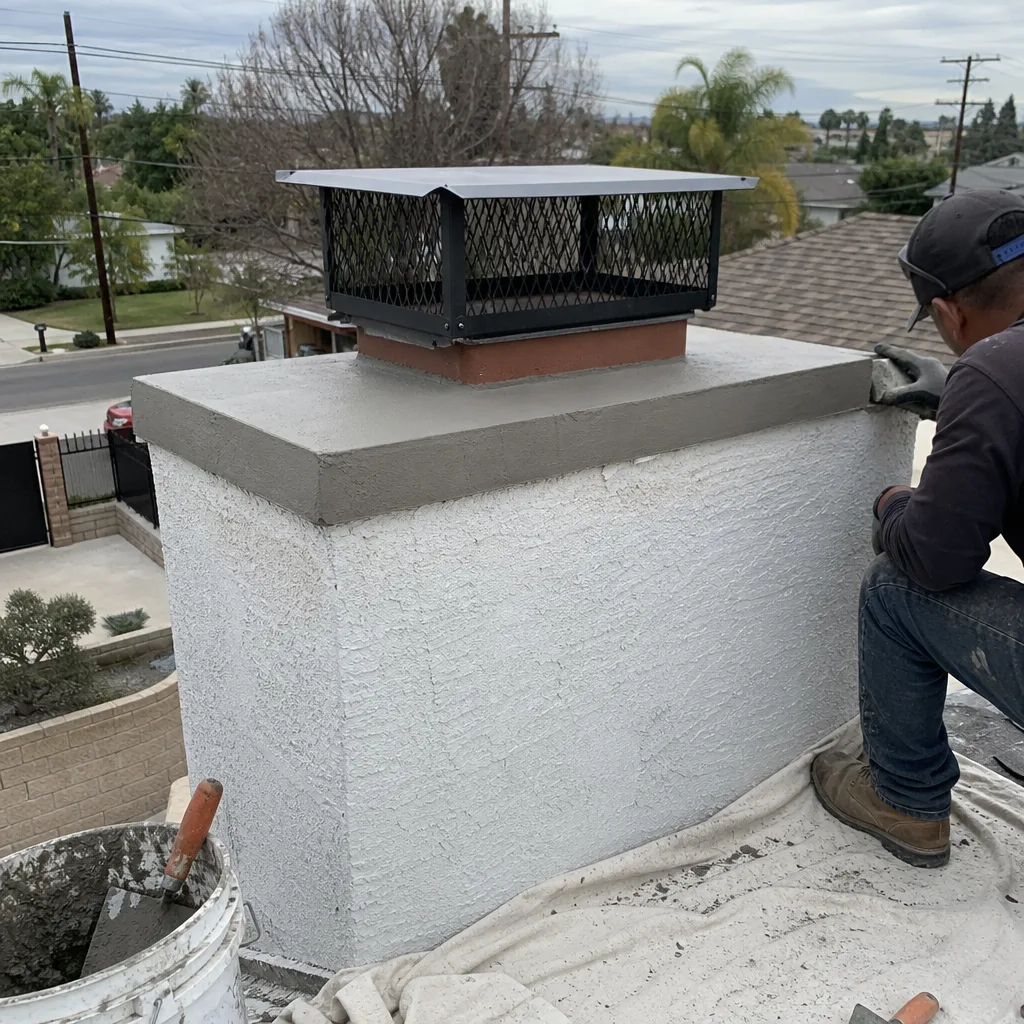
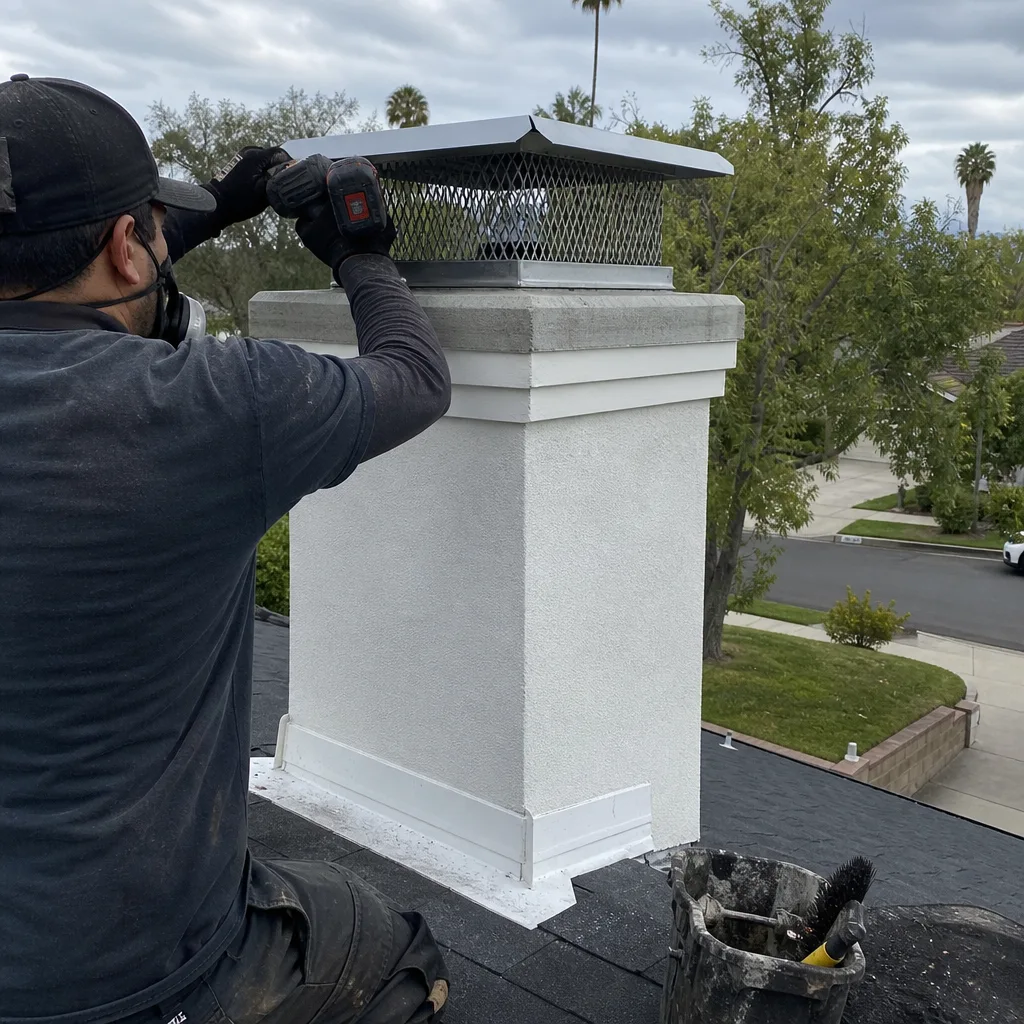
The same is true for a chimney cap replacement. A cap is an accessory at the top of the flue. Swapping a rusted cap for a new one is a maintenance repair, not a structural change. You don’t need a permit to replace a cap, and you don’t need one to repoint a few loose mortar joints at the crown, provided the crown itself remains intact. Minor tuckpointing and crown sealing fall into the gray-but-generally-accepted maintenance category in Los Angeles.
Where the line blurs is when a cleaning uncovers something bigger: a cracked flue liner, a firebox with failing mortar, a chimney that is pulling away from the house. These are the Chimney Cleaning Warning Signs: A Los Angeles Homeowner’s Reference Guide that signal a shift from maintenance to repair. At that point, the proposed work stops being maintenance and starts being a structural or venting repair, and that’s when California’s permitting rules kick in.
Which Chimney Repairs Actually Require a Permit
Here is the list we give homeowners in Los Angeles when a chimney sweep turns into something more. These are the jobs that, in our experience, most often get done without permits by contractors who would rather not deal with LADBS.
- Flue liner replacement. This is the big one. Replacing a clay tile liner or installing a stainless steel liner (we work with DuraFlex and Olympia Chimney products) changes the venting system. Even if the replacement uses the existing flue space, California building officials treat a liner replacement as a structural alteration requiring a permit and inspection. This is also the repair most frequently flagged during home sale inspections in Los Angeles because the homeowner was never told a permit was needed.
- Firebox rebuild. If the masonry walls of your fireplace have deteriorated to the point that they need rebuilding – new firebrick, new refractory mortar, or a total tear-out – that is structural masonry work. It needs a permit, and the work should be inspected before the first fire.
- Chimney rebuild. Partial or full teardown and reconstruction of the chimney stack above the roofline is structural work, plain and simple. A permit is required, full stop.
- Fireplace insert or stove installation. Installing a gas or wood-burning insert changes the appliance and the venting pathway. Most California jurisdictions, including Los Angeles, require a mechanical or building permit for the install, along with an inspection of the connection to the existing flue.
- Chimney demolition. If you are removing a chimney entirely or taking it down below the roofline, that is structural alteration requiring a permit, and in some Los Angeles neighborhoods with historic overlay zones, additional review may apply.
Repairs that typically do not require a permit: sweeping, inspection, cap replacement, damper replacement, chase cover replacement, and minor mortar joint repair at the crown. If a contractor tells you a permit is required for a sweep, they are either misinformed or padding the bill. If a contractor tells you a liner replacement does not need a permit, get a second opinion. That’s the red flag that leads to the insurance and resale problems covered later in this guide.
How the LA Department of Building and Safety Handles Chimney Permits
In the City of Los Angeles, chimney-related permits are issued by the Los Angeles Department of Building and Safety, or LADBS. Homeowners can verify permit status and history online through the LADBS Building Records search portal, which lets you look up any address and see what permits have been pulled for the property. This is the single most useful tool a Los Angeles homeowner has when a contractor says, “We don’t need a permit for this.” You can check in two minutes whether the contractor’s claim matches city records.
The permit process for a typical chimney repair in Los Angeles works like this:
- Application. The contractor or homeowner files a permit application with LADBS, either online through the e-Permit system or in person at a district office. The application describes the scope of work and the materials to be used.
- Plan review. For a straightforward liner replacement or firebox rebuild, plan review is often completed as a counter check or “over-the-counter” review, meaning the permit can be issued the same day or within a few business days. For larger structural work, like a full chimney rebuild, a structural plan review may take additional time.
- Permit issuance and fee. LADBS calculates fees based on the valuation of the work. A typical chimney repair permit in Los Angeles runs in the range of $150 to $400, though the fee can be higher for larger jobs. The homeowner should ask the contractor to list the permit as a line item on the estimate, not bury it in a lump sum.
- Inspection. After the work is done, LADBS schedules an inspection. The inspector verifies that the liner, firebox, or rebuild matches the approved permit and meets current code. Only after the inspection passes does the permit get a final sign-off.
- Final record. The signed-off permit becomes part of the permanent LADBS record for the property. This is the document that protects you during a home sale and in an insurance claim.
In our experience, the timeline for a typical Los Angeles chimney repair permit – from application to final sign-off – is usually one to three weeks, depending on the district office workload and the complexity of the job. That is not a reason to skip the permit. It is a reason to build it into the schedule and work with a contractor who handles the process as a matter of routine.
California Building Code and NFPA 211: What They Require in Plain English
Two sets of rules govern chimney work in California. The first is the California Building Code (CBC), which is revised every three years and is based on national model codes. The second is NFPA 211, the National Fire Protection Association standard for chimneys, fireplaces, and venting systems. Neither document is a page-turner, but both exist for one reason: to keep fire inside the flue and combustion gases outside your house.
CBC Chapter 10 covers chimneys and fireplaces. The relevant requirements sound technical but come down to a few practical rules. The flue liner – the clay or steel tube that vents combustion gases out of your home – must be sized correctly for the appliance it serves, must be continuous and smooth along its whole length, and must be made of material rated for the temperatures involved. If a liner is cracked, spalled, or missing sections, the chimney is no longer code compliant, period. The firebox – the masonry chamber where the fire actually burns – must have walls thick enough to handle repeated heating and cooling cycles. And the chimney structure itself must be stable, properly supported, and separated from combustible framing by the required clearance distance.
NFPA 211 adds the maintenance and inspection side of the equation. This is the standard that gives us the common advice that a chimney should be inspected at least once a year and swept when creosote accumulation reaches one-eighth of an inch. NFPA 211 distinguishes between three levels of inspection. Level 1 is the visual check done during a routine sweep. Level 2 is a more thorough inspection, often with camera equipment, and is what NFPA recommends when you buy a home, change the appliance, or experience a chimney fire. Level 3 is invasive, requiring some disassembly, and is reserved for serious unresolved problems. Most Los Angeles homeowners will only ever need Level 1 or Level 2.
The practical takeaway: “code compliant” means your chimney meets the current CBC and NFPA 211 requirements at the time of inspection. A chimney that was built correctly in 1962 but has since developed a cracked liner is not code compliant, even though it was fine when it was built. Compliance is a moving target, not a one-time status.
If you want a licensed team to walk your chimney and explain exactly where it stands relative to current code, start with our Chimney Inspection in Los Angeles service.
“Code Compliant” on an Estimate vs. a Permitted, Inspected Job
This is the distinction that separates honest contractors from the ones who create problems, and it is worth understanding before you sign anything. “Code compliant” written on an estimate is a claim. A signed-off permit is proof. They are not the same thing.
Any contractor can write “all work done to code” on a proposal. It costs nothing to type those words. What that phrase legally commits the contractor to is fuzzy and often unenforceable in a dispute. A permitted, inspected job is different. When LADBS signs off on the work, the city has independently verified that the liner, firebox, or rebuild meets the current code requirements. That sign-off is a public record attached to your property in the LADBS Building Records portal. It becomes the evidence you can point to if an insurance adjuster questions the work or if a home inspector flags it during a sale.
Here is how to tell the difference when you read an estimate:
- The estimate says “permit included” with a line item showing the permit cost, the plan review fee, and the inspection schedule. That’s a contractor who intends to do it legally.
- The estimate says “all work code compliant” but makes no mention of a permit, and the contractor waves off the question when you ask. That is the estimate that turns into an unpermitted liner replacement, a failed home inspection, and a seller’s disclosure headache in Los Angeles.
- The estimate doesn’t mention code at all. That is a red flag on its own. If the contractor never brings up permits and codes for structural work, they are either not pulling permits or they do not understand what they are repairing.
The right question to ask is not “Will the work be code compliant?” Every contractor will say yes. The right question is “Will a permit be pulled, and will LADBS inspect and sign off on the work?” If the answer is anything other than a clear yes, get another bid. At Ashby Chimney Los Angeles home, we put the permit conversation in writing on every structural repair estimate, because the Kingswell Guarantee is only worth something if the paperwork holds up.
How Unpermitted Chimney Work Affects Insurance and Home Sales in California
Unpermitted chimney work has two downstream consequences that most Los Angeles homeowners do not discover until it is too late: insurance claim denials and real estate disclosure problems. Both are avoidable if you understand the issue before the work is done.
On the insurance side, California homeowner’s policies require that any structural or venting alterations to the property be done with proper permits. If you replace a flue liner without a permit and then file a claim for a related loss – say, a chimney fire that damages the surrounding framing – the insurer can deny the claim on the grounds that the alteration was unpermitted and therefore not eligible for coverage. The insurer’s position is simple: they price the premium based on a home that meets code, and unpermitted work undermines that assumption. This is a real, documented pattern in Los Angeles claims, and it is one of the most expensive lessons a homeowner can learn.
On the real estate side, California law is strict about seller disclosure. When you sell a home, you are required to disclose known material facts about the property, and unpermitted work falls into that category. If a previous owner replaced a chimney liner without a permit and you sell without disclosing it, and the buyer discovers the unpermitted work later, you can be sued for failure to disclose. This is not a rare edge case. Los Angeles home inspectors routinely check LADBS records during escrow, and a permit that was never pulled shows up as an open question. We have seen deals get renegotiated, escrow extended, and sales fall through entirely because a chimney liner was replaced without proper paperwork years earlier.
The fix is straightforward: permit the work when it is done. If you are buying a home and the chimney has obviously been repaired but no permit exists, factor the cost of bringing it into compliance into your offer. And if you are selling, a current chimney inspection from a company like ours can identify issues before they become disclosure problems.
Common Mistakes to Avoid
- Believing a contractor who says liner replacement doesn’t need a permit. In the City of Los Angeles, it does. The contractor may be trying to save time and money at your expense. The unpermitted work becomes your legal and insurance problem, not theirs.
- Paying a lump sum without seeing the permit line item. If the price says “all-inclusive” but the contractor won’t break out the permit fee, the permit probably isn’t being pulled. Ask for the line item.
- Assuming a “code compliant” promise means the same thing as an inspection sign-off. It doesn’t. Only a signed-off LADBS permit provides independent verification that the work meets code.
- Waiting until a home sale to discover unpermitted work. By then, the problem belongs to you, and you’re dealing with it under escrow pressure. A $300 inspection before listing or buying is cheaper than a $3,000 concession at closing.
- Treating routine cleaning and structural repair as the same category. A sweep needs no permit. A liner replacement does. Conflating the two is how honest homeowners end up with unpermitted work they didn’t know existed.
- Skipping the annual inspection because “the chimney seems fine.” Creosote buildup and liner cracks are silent problems. You won’t see them from the living room. In Los Angeles, where dry summers and occasional Santa Ana winds create ideal conditions for chimney fires, the annual check is cheap insurance.
- Letting a handyman rebuild a firebox. Firebox work is specialized masonry that affects how heat is contained and how combustion gases are directed into the flue. The wrong mortar, the wrong firebrick, or the wrong clearances can create a genuine fire hazard. This is not a job for a general handyman, and in our experience, handyman firebox rebuilds are among the most common sources of failed inspections in Los Angeles.
When to Call a Professional
Call a professional whenever a cleaning or inspection uncovers structural issues: a cracked flue liner, a deteriorating firebox, a chimney that has separated from the house, or a flashing leak that has rotted the surrounding framing. These are not DIY repairs, and they are not jobs for a general contractor. Chimney work is a specific trade with its own code provisions, material requirements, and safety hazards. Liner work, in particular, carries the added risk of carbon monoxide exposure if done incorrectly, because the liner is what keeps combustion gases moving safely out of your home. A bad liner job is not a cosmetic problem. It is a potential silent-killer problem.
If you are in Los Angeles and want a straight assessment of your chimney’s condition, Ashby Chimney Los Angeles offers free estimates. You can also browse our more guides & resources to prepare for the visit. We’ll tell you what needs a permit, what doesn’t, and what can safely wait. Call (213) 652-7061.
Frequently Asked Questions
A standard chimney sweep in Los Angeles typically runs between $169 and $279, depending on the chimney’s condition, accessibility, and whether a roof or ladder setup is required. The price should be quoted in writing before the work starts, and it should include the full flue cleaning, firebox cleanup, and a basic safety check. Call (213) 652-7061 for an exact quote on your chimney. Estimates are free.
You need a new liner if the existing one is cracked, spalled, or separated in a way that allows combustion gases to escape into the home or heat to reach combustible framing. That’s not an upselling decision; it’s a safety finding backed by camera evidence. Any reputable chimney company should show you the camera footage so you can see the crack or gap with your own eyes. If a contractor recommends a liner replacement but refuses to show visuals or explain the finding, get a second opinion. That’s exactly why our Chimney Sweep in Los Angeles service includes camera documentation when conditions warrant it.
The short answer is once a year for any wood-burning fireplace that gets regular use. The technical answer comes from NFPA 211, which says a chimney should be swept when creosote accumulation reaches one-eighth of an inch. In Los Angeles, where fireplaces are often used seasonally, an annual sweep paired with a Level 1 inspection is the right rhythm. Gas fireplaces used regularly should still be inspected annually, though they may need less frequent sweeping. Call (213) 652-7061 if you want us to check your burn pattern and recommend the right interval.
Creosote builds up in the flue, and creosote is flammable. If enough accumulates and the flue gets hot enough, the creosote ignites, and you have a chimney fire. Chimney fires can burn fast and hot enough to crack the flue liner, damage the surrounding masonry, and spread to combustible framing. In Los Angeles, dry conditions and the occasional high-wind event make chimney fires a genuine risk during winter burn season. Even without a fire, skipped sweeps mean you don’t catch liner cracks, water damage, and critter nests until they become expensive problems. A $200 sweep is the cheapest chimney insurance you can buy.
Homeowners insurance typically does not cover maintenance repairs like liner replacement or firebox rebuild due to normal wear and tear. It may cover damage from a sudden event, like a chimney fire or a falling tree, subject to your deductible and policy limits. But here’s the caveat from earlier in this guide: if the damage is related to unpermitted work, the claim may be denied. That’s why permitted repairs matter. They protect you when you need the insurance to actually pay.
If the existing fireplace was safe to use before the repair was identified, and the repair has not begun, it may be fine to continue using it. But if an inspection has flagged a cracked liner, a failing firebox, or another structural problem, you should not burn until the repair is complete and the permit is signed off. Burning with a compromised flue is a carbon monoxide and fire risk. The safest answer, between the time a problem is found and the repair is done, is to stop using the fireplace. When in doubt, call us at (213) 652-7061 and we’ll give you a straight answer based on what the inspection showed.
The Bottom Line
Chimney cleaning in California requires no permit, and it shouldn’t. It’s maintenance, and it should be done every year. But the repairs a cleaning often uncovers – liner replacement, firebox rebuild, insert installation – do require a permit in Los Angeles, and skipping that step creates legal and financial exposure you carry long after the contractor is gone. The way to protect yourself is straightforward: ask whether a permit will be pulled before you sign anything, verify the work in the LADBS portal, and work with a company that puts the whole arrangement in writing. That’s the standard we hold ourselves to at Fireplace Repair in Los Angeles under the Kingswell Guarantee. If you want a free estimate and a straight answer about what your chimney actually needs, call (213) 652-7061.
Written by Nathan Corliss, Owner at Ashby Chimney Los Angeles, serving Los Angeles since 2002.
See the difference
 Before
 After
After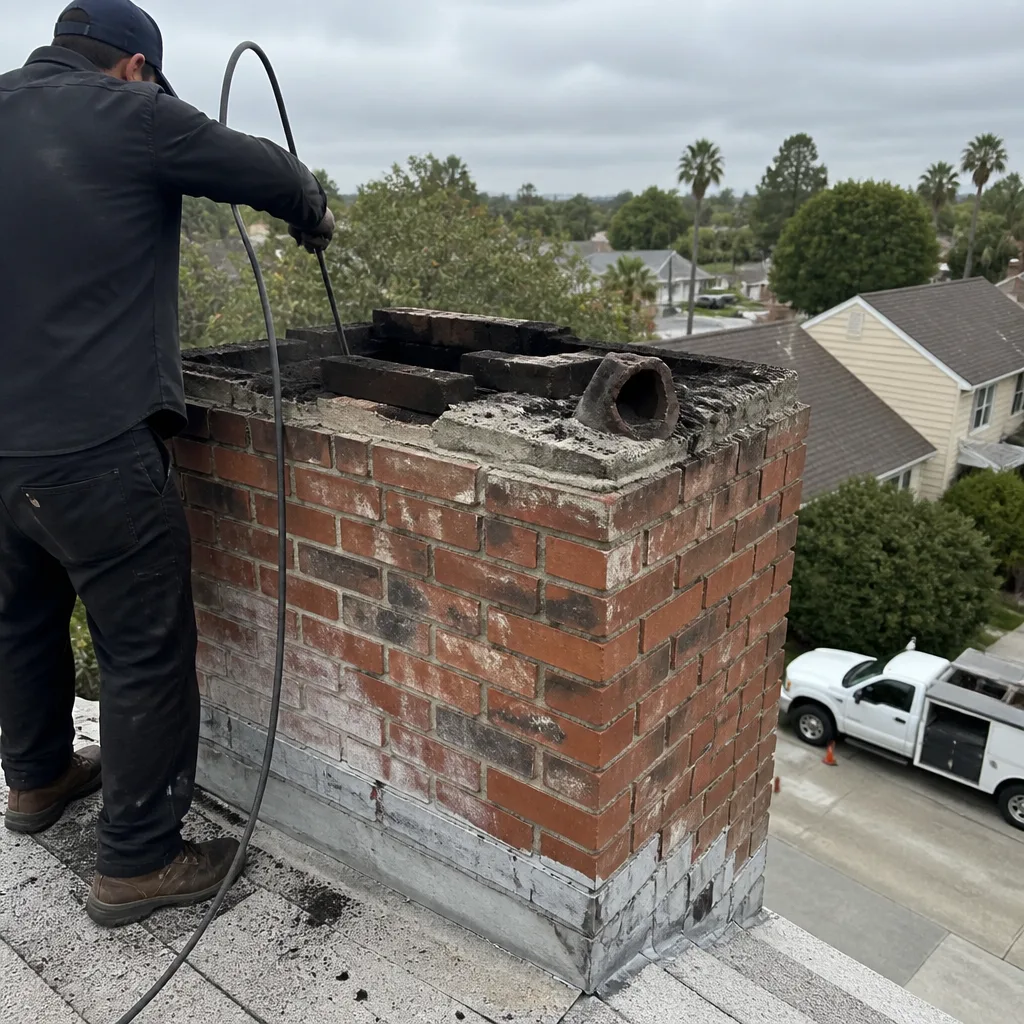 Before
 After
After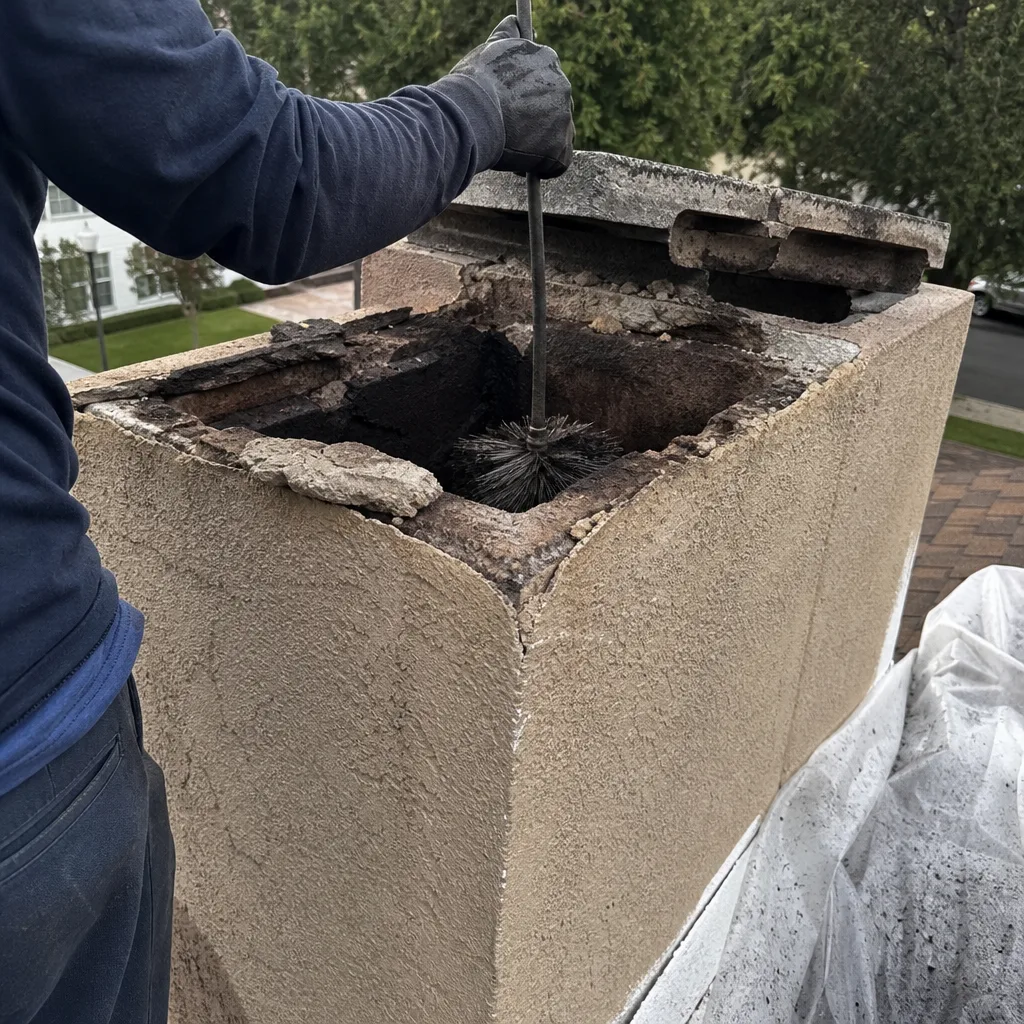 Before
 After
After