
Last updated October 15, 2026
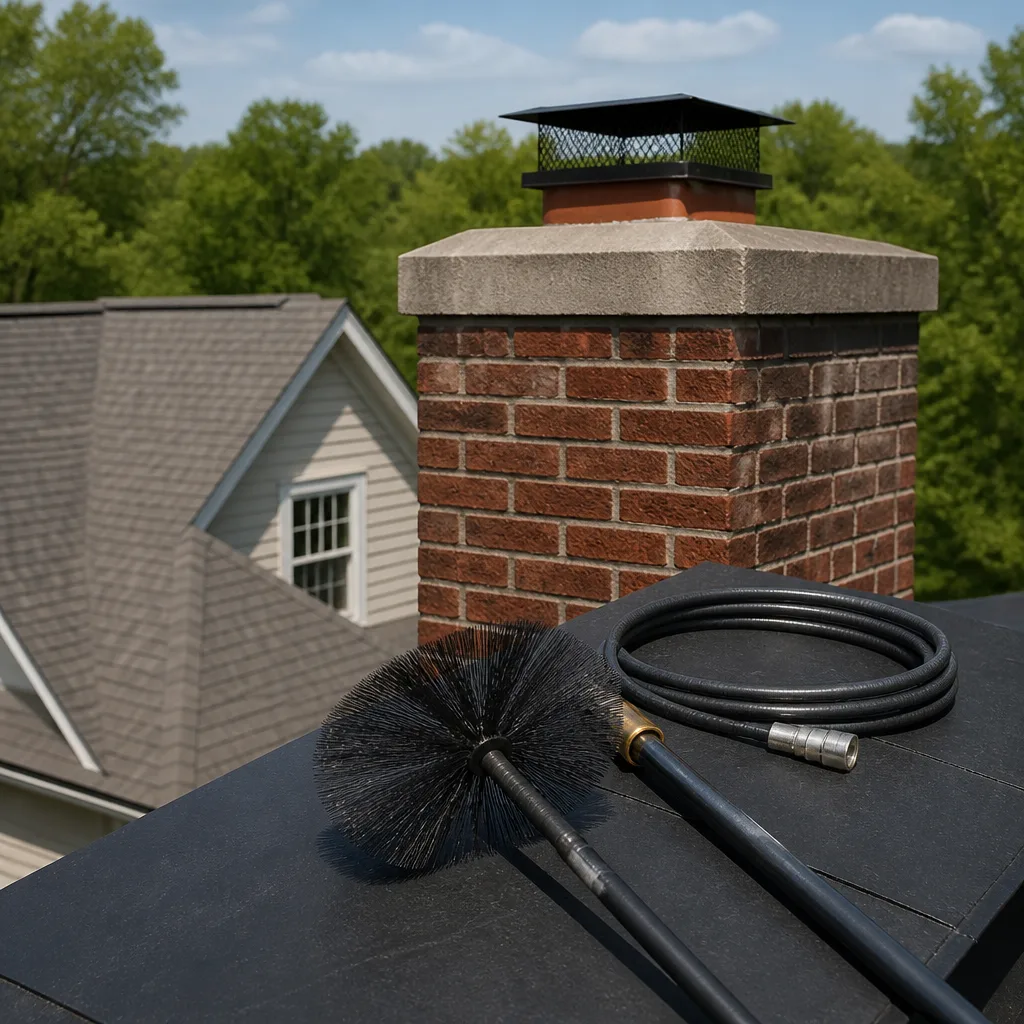 Sweep & inspection
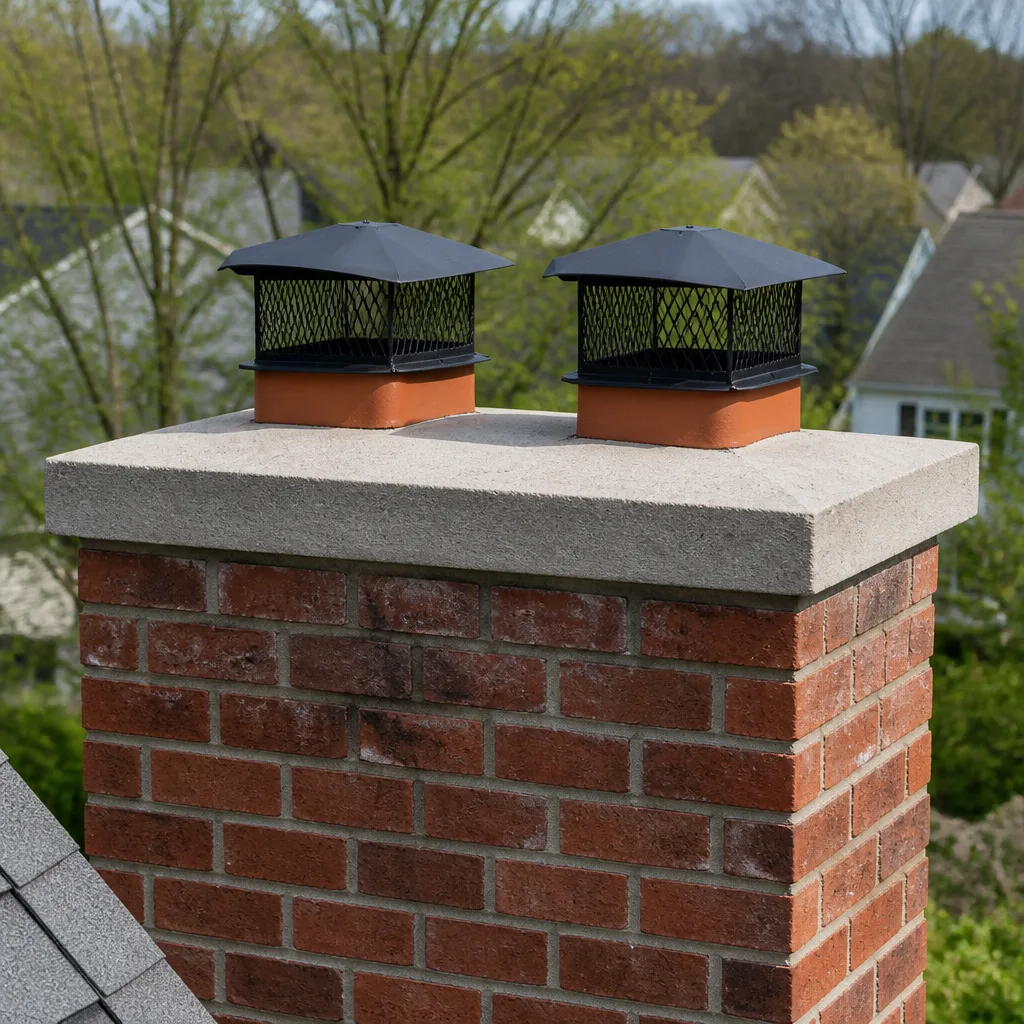 Caps & crowns
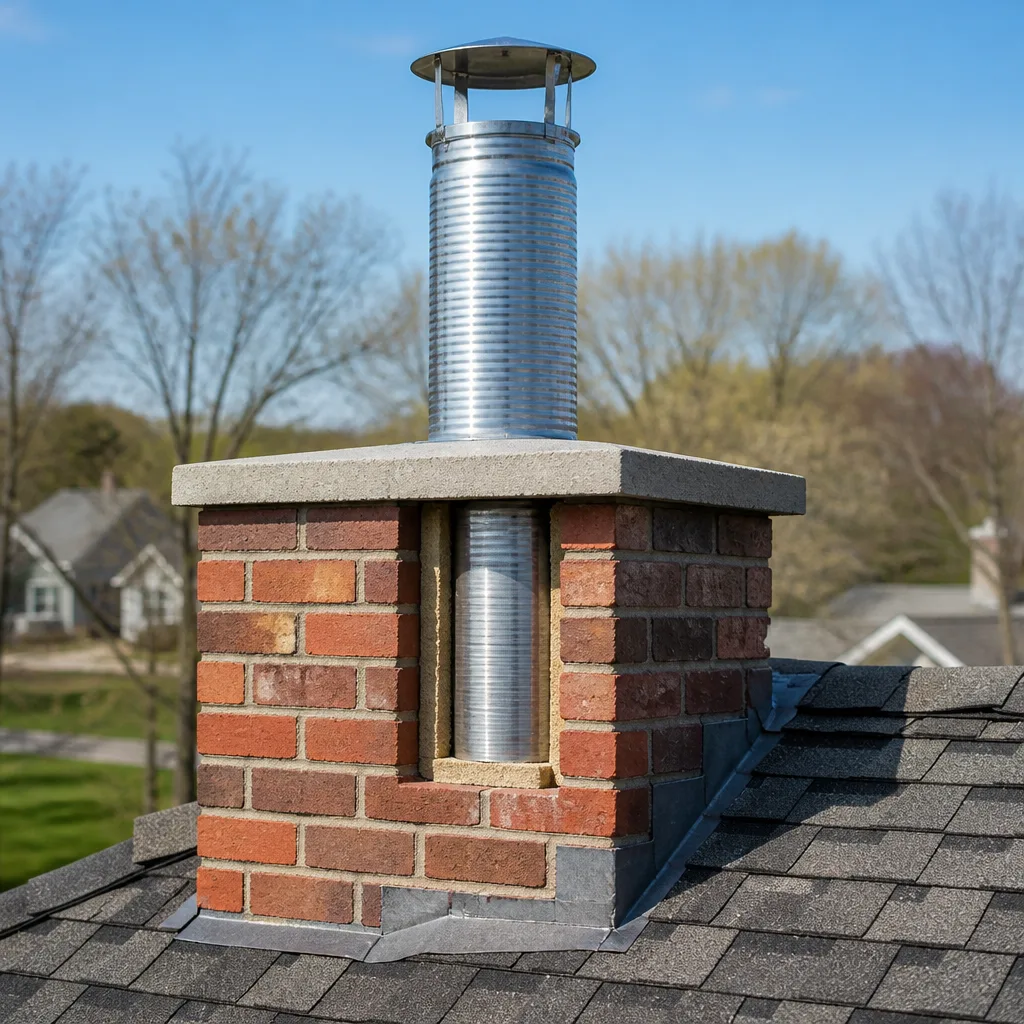 Flue relining
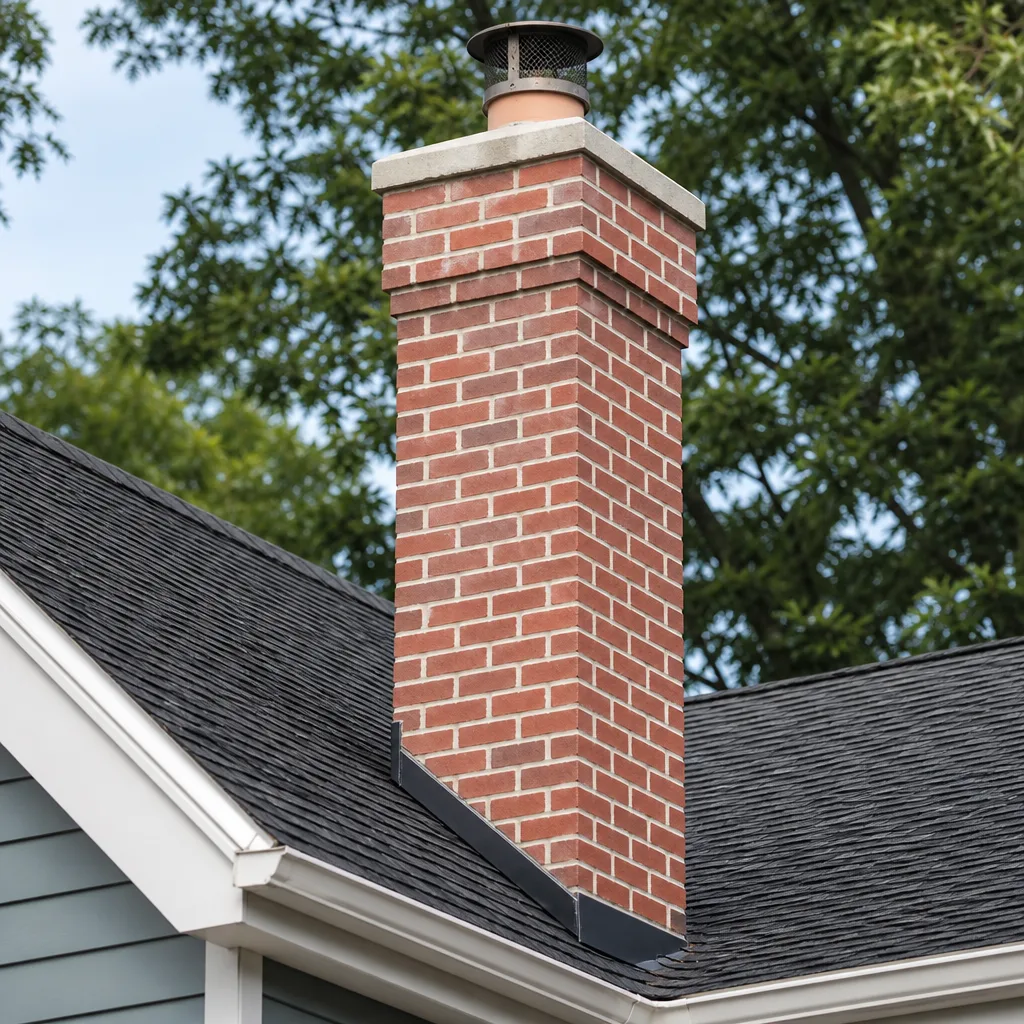 Masonry repair
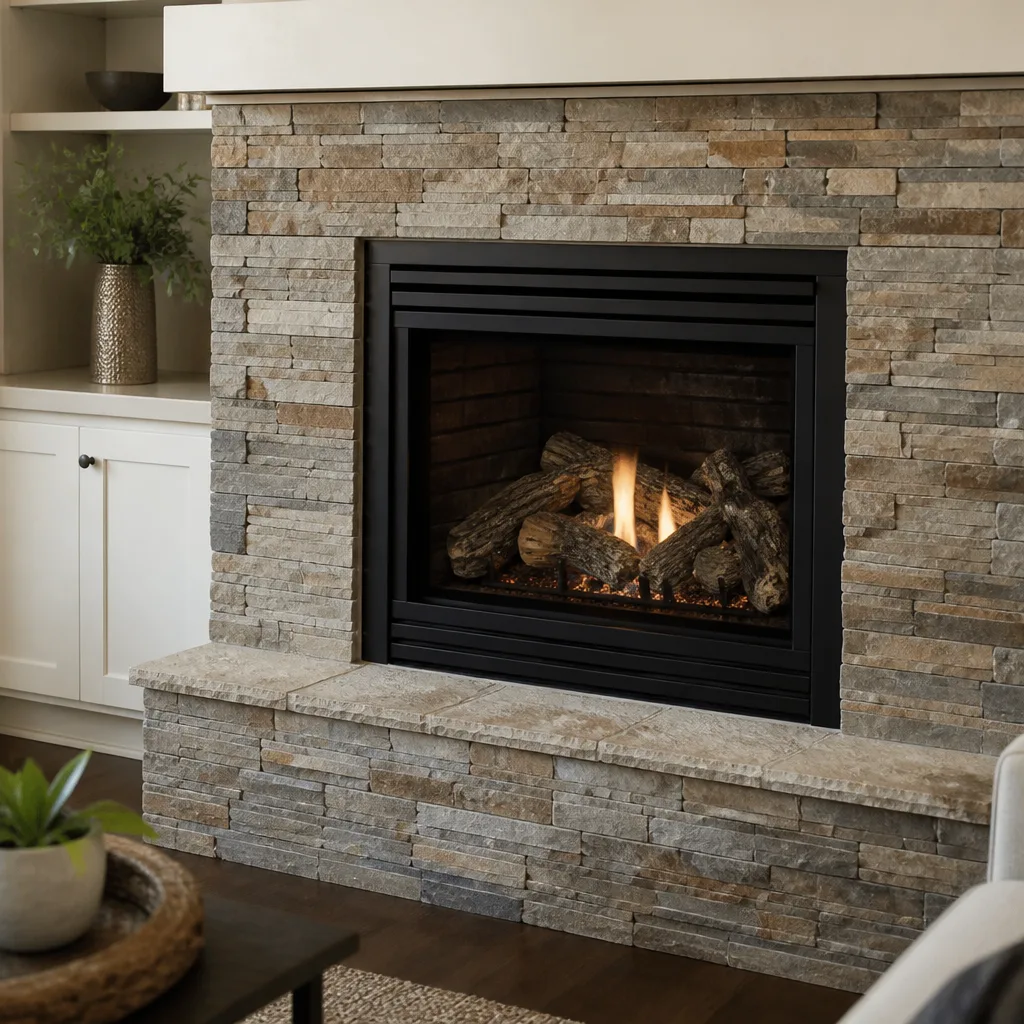 Gas fireplace service
Level 1 sweep and inspection to the NFPA 211 annual standard - flue, crown, cap, and flashing checked and photographed
Chimney sweep logs do not sweep chimneys. They loosen some creosote - which then falls where a brush and vacuum still have to collect it.
The Complete Guide to Chimney Cleaning in Los Angeles
A fireplace used only four times a year can still fail a safety inspection. Not because of creosote, but because it sat open and ignored for the other 361 days. Birds move in. Moisture works on the mortar. The heat cycling of occasional winter fires cracks clay liners that would last decades under steady use. Most Los Angeles chimney advice gets imported from Minnesota or Vermont, where fireplaces burn daily from October to April. That advice misses what actually happens to a chimney in a Mediterranean climate with sporadic use. This guide covers how LA homeowners actually use their fireplaces, what breaks, what a real cleaning appointment looks like, and what a fair price should be. For seasonal chimney cleaning care in Los Angeles, see our year-round homeowner’s guide.
Quick Answer
Chimney cleaning in Los Angeles typically costs between $189 and $340 for a standard sweep and visual inspection, and most cleanings take 45 to 90 minutes. If you haven’t used your fireplace in over two years, a Level 2 inspection with camera scanning is usually the right first step before any cleaning, because animal intrusion and moisture damage are the most common problems in LA, not creosote.
Styles & brands we work with
Table of Contents
- Why LA Fireplaces Are Different From the Rest of the Country
- How Much Does Chimney Cleaning Cost in Los Angeles?
- What an Honest Chimney Cleaning Appointment Actually Looks Like
- Level 1, Level 2, and Level 3 Inspections: Which One Applies to You
- What Actually Breaks in a Low-Use LA Chimney
- How LA’s Mediterranean Climate Affects Chimney Liners
- What a Written Estimate and Written Guarantee Should Contain
- Common Mistakes to Avoid
- When to Call a Professional
- Frequently Asked Questions
- The Bottom Line
Why LA Fireplaces Are Different From the Rest of the Country
Most chimney cleaning guides are written for homes in cold climates. They assume your fireplace runs every night from November through March. That kind of use produces creosote in predictable layers, and the advice is always the same: sweep every cord of wood or every 50 to 70 fires.
Los Angeles is different. The typical LA homeowner burns maybe ten to twenty fires a year, mostly between Thanksgiving and Valentine’s Day. The rest of the year, the fireplace is a decorative fixture. And that’s exactly when the problems start.
An idle chimney is an open pipe from your living room to the sky. Birds, squirrels, and rats find their way in through uncapped flues or damaged chimney crowns. We find nesting material in Los Angeles chimneys more often than we find heavy creosote. A starling’s nest packed into a flue and baked by a single winter fire is a genuine fire hazard, and it blocks ventilation for the other 360 days, trapping moisture inside the masonry.
Moisture is the quiet killer of LA chimneys. Dry summers hide the damage. Winter rains penetrate cracked crowns and spalling brick, and the moisture weakens mortar joints from the inside. When you finally light a fire in December, the heat expands trapped moisture and accelerates cracking. What looks like a simple cleaning job is often the first time anyone has actually examined the chimney in years.
This is why the standard advice from cold-climate guides doesn’t transfer. You don’t need a sweep every fifty fires. You need an inspection every fall, whether you’ve burned anything or not.
How Much Does Chimney Cleaning Cost in Los Angeles?
You should know the price before you make the call. Most chimney sweeps in Los Angeles run between $189 and $340 for a standard cleaning and visual inspection. The range depends on the height and accessibility of the roof, the type of fireplace, and how long it’s been since the last service.
Here’s a general breakdown of what to expect in the LA market:
Typical Chimney Sweep Pricing in Los Angeles
- Standard sweep with visual inspection: $189 – $340. This covers the flue brushing, the firebox cleanup, smoke chamber inspection, and a basic external check of the chimney cap and crown.
- Sweep with Level 2 camera inspection: $289 – $550. Adds internal video scanning of the flue, which is the only way to see cracks, gaps, or hidden animal damage.
- Bird or animal nest removal: $150 – $400 on top of the sweep. The price depends on how much material is packed in and whether it’s reachable from the roof.
- Creosote treatment beyond standard brushing: $100 – $250 extra if the buildup is glazed or hardened and requires chemical treatment.
- Crown repair or chimney cap replacement: $350 – $1,200 depending on materials and chimney height.
- Flue liner replacement: $3,500 – $8,000. This is the big one, and the one you should always verify with camera footage before agreeing to.
These numbers are based on what we see across Los Angeles, from the west side to the Valley to the foothill communities. Prices climb higher in neighborhoods like Beverly Hills and Brentwood where roof access is steeper and scaffolding is more often required. They run lower in areas like Van Nuys, Reseda, or parts of the San Gabriel Valley where chimneys are simpler and roofs are shallower.
What matters more than the base price is whether the company gives you a written number before any work starts. A verbal estimate that doubles at the door is the most common complaint we hear from LA homeowners. At Ashby Chimney Los Angeles, every job gets a written price before we touch anything, and the number on the invoice matches the number we quoted. That’s the whole point of the Kingswell Way: say the price, and put it in writing.
What an Honest Chimney Cleaning Appointment Actually Looks Like
A lot of homeowners don’t know what to expect from a chimney cleaning because no one has ever walked them through it. Here’s what a proper appointment looks like from start to finish at Ashby Chimney Los Angeles home.
- Scheduling and arrival window. When you call, a live person picks up. You’ll get a real arrival window, usually two to three hours, not a twelve-hour “sometime between 8 and 8.”
- Technician introduction. The person at your door is background-checked and uniformed. You’ll know their name before they step inside. No subcontractors, no mystery crews.
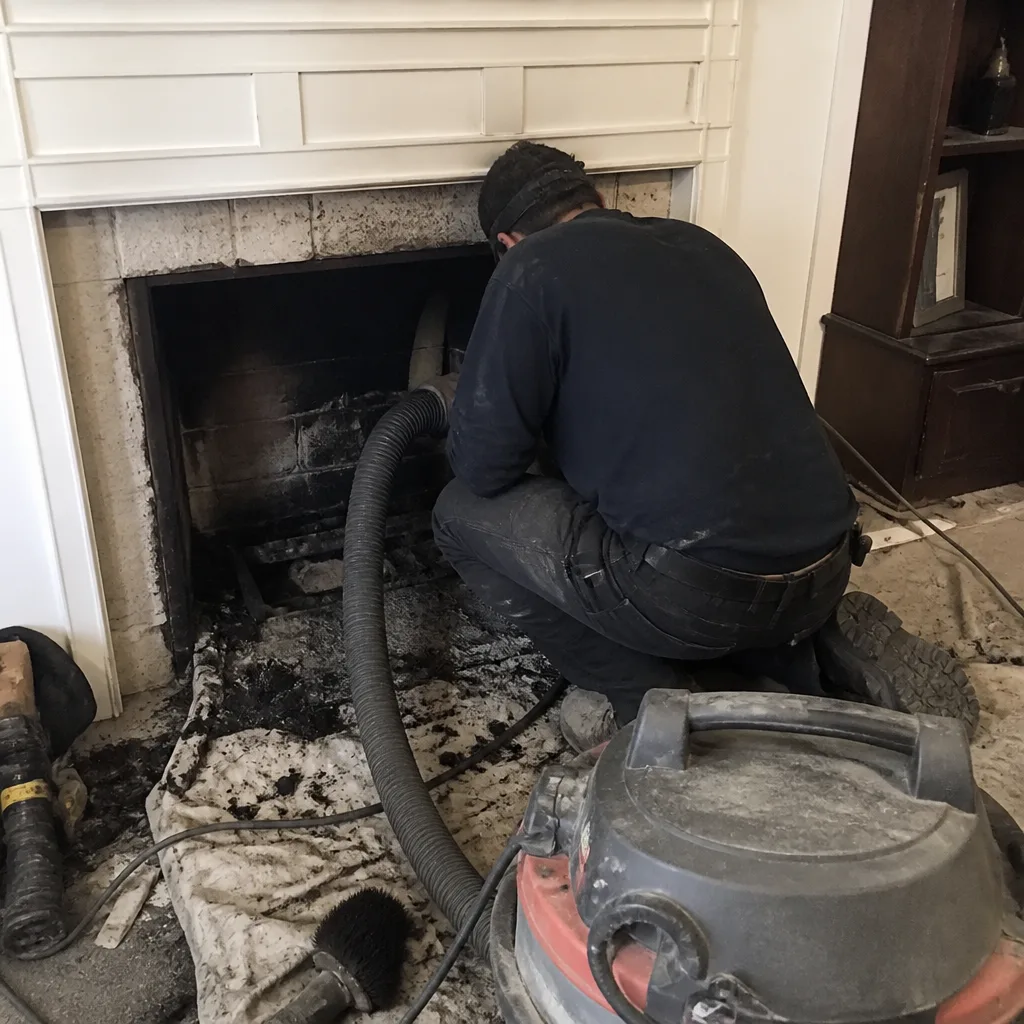
- Interior walk-through. Before any tools come out, the technician examines the firebox (the area where the fire actually burns), the damper, the smoke chamber, and the visible portion of the flue. They’ll lay down drop cloths to protect your floors and furniture.
- Written price. After the initial assessment, you get a written price for the cleaning and any recommended work. Nothing starts until you approve it. If something’s beyond a standard sweep, such as a cracked flue liner or a damaged crown, you’ll be told what it costs and shown why it’s needed.
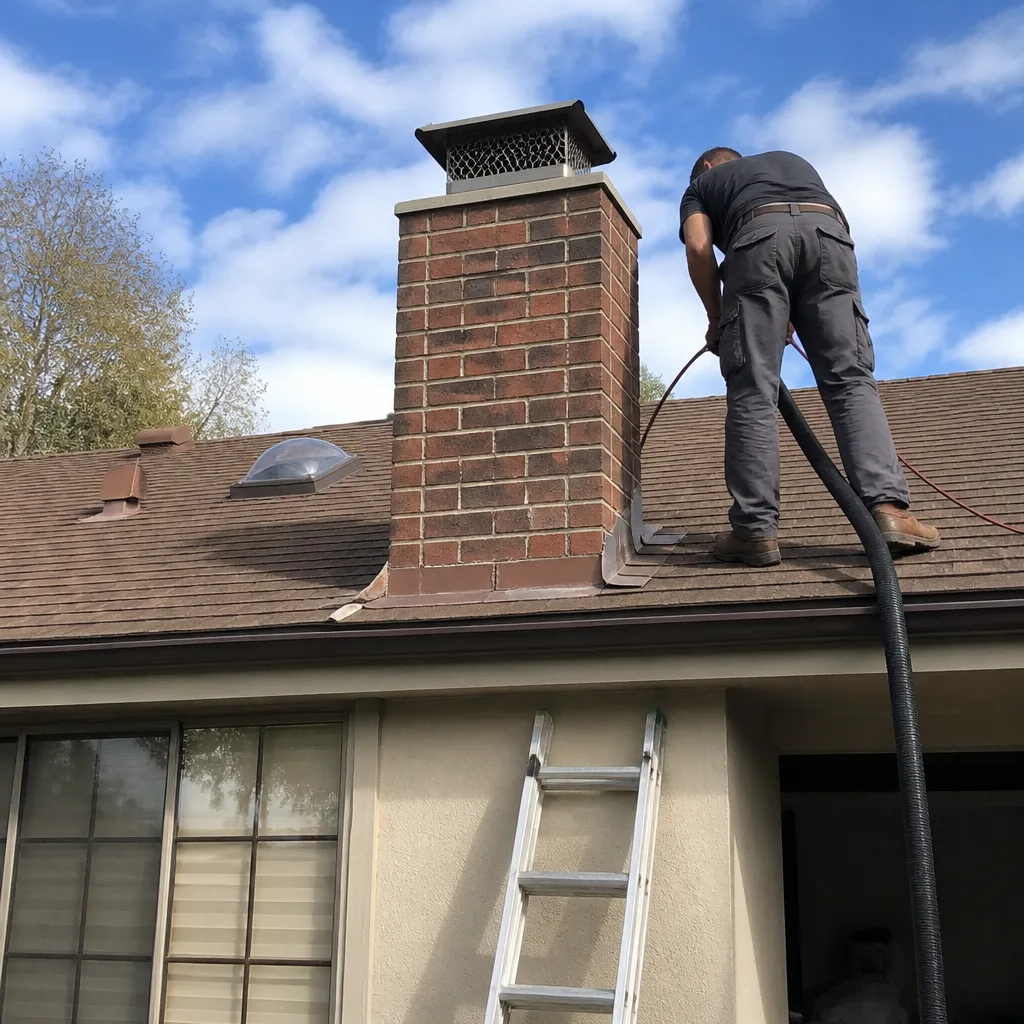
- The sweep itself. The technician runs brushes through the flue from the roof and from inside the firebox. The goal is to remove creosote, soot, and any light debris. The firebox and damper get cleaned, and the smoke shelf gets cleared.
- Documentation. After the cleaning, the technician documents what was found, what was cleaned, and what, if anything, needs attention. With a Level 2 inspection, you’ll get a camera report showing the inside of the flue. You should be able to see exactly what the technician saw.
- Written guarantee. The work is backed in writing. If a repair is completed and fails during the guarantee period, we return and fix it at no charge. That’s the 365-Day Done Right Promise, and it applies to every repair we complete.
Most cleanings take between 45 and 90 minutes. If a company tells you it’ll take 20 minutes and costs $69, they’re not sweeping your chimney. They’re vacuuming your firebox and calling it done.
Level 1, Level 2, and Level 3 Inspections: Which One Applies to You
The chimney industry uses three inspection levels defined by the Chimney Safety Institute of America (CSIA). Understanding the difference saves you money and tells you when a company is overcharging or under-checking.
Level 1 inspection is a visual check of the accessible portions of the chimney. The technician looks at the flue, the firebox, the damper, and the exterior from the ground or roof. No camera, no tools beyond a flashlight. Level 1 applies when you’re using the fireplace in the same way as before and haven’t had any problems. For an LA homeowner who uses the fireplace regularly every winter, this is usually the right level as part of an annual Chimney Sweep in Los Angeles.
Level 2 inspection adds a video scan of the entire flue interior. The camera goes down the chimney and records every inch of the liner, looking for cracks, gaps, damage, or obstruction that a flashlight can’t reach. Level 2 is required by the CSIA whenever the system changes: new appliance, new liner, sale of the home, or any event that may have damaged the chimney, such as an earthquake or a fire. For LA homeowners, Level 2 is the right call if the fireplace hasn’t been used in two or more years, or if you’ve just bought the house and have no service history. As part of a Chimney Inspection in Los Angeles, the camera report is yours to keep.
Level 3 inspection goes beyond the camera. It involves opening up walls or removing masonry to access hidden portions of the chimney. Level 3 only applies when a Level 2 finds something that requires structural access to evaluate, like a suspected fire inside a wall cavity or a hidden breach in the flue. If a company recommends Level 3 on a routine cleaning, ask for the Level 2 footage that justifies it.
Most LA homes that have been sitting idle for years need a Level 2 inspection before cleaning. It’s the only way to know if animals have nested out of sight or if the liner has cracked from heat cycling.
What Actually Breaks in a Low-Use LA Chimney
Creosote is the villain in every cold-climate chimney guide. But in Los Angeles, creosote is rarely the main problem. Here’s what we actually see, in order of frequency, across thousands of LA chimneys.
Animal intrusion. Raccoons, squirrels, birds, and especially pack rats love chimney flues. The warm, protected shaft is an ideal nesting site. Un-capped chimneys in the foothills, like those in La Cañada, Altadena, or Tujunga, are more vulnerable than homes closer to the coast. A chimney cap is the single cheapest investment that prevents the most problems.
Debris blockage. Leaves, twigs, and nesting material accumulate in flues that don’t get used. When you light a fire, the blockage restricts drafting and forces smoke back into the house. Even worse, a blocked flue can cause carbon monoxide to build up indoors.
Mortar and crown cracking. The dry Los Angeles summers and occasional heavy winter rains cycle the masonry through expansion and contraction. Crowns, the concrete cap at the top of the chimney, crack over time. Water enters through the cracks and weakens the mortar joints. In neighborhoods like Sherman Oaks or Studio City, where many homes date from the 1950s and 60s, we see crown failures more often than any other structural issue.
Flue liner deterioration. The flue liner is the clay or steel tube that vents combustion gases out of your home. Heat cycling, which means occasional fires followed by long periods of cold, cracks clay liners faster than steady use does. Steel liners can corrode from condensation and acidic gas exposure. A cracked liner allows heat and gases to reach the surrounding masonry, and that’s when a chimney becomes a fire risk.
Damper failure. The damper is the metal flap that opens to let smoke out and closes to keep drafts and animals out. Dampers rust, warp, and fall apart, especially in coastal areas like Santa Monica and Marina del Rey where marine air accelerates corrosion. A broken damper stuck open means heat escapes all winter and animals wander in all summer.
All of these problems share a common thread: they happen when a chimney is ignored, not when it’s used. The standard advice about “sweeping every 50 fires” does nothing to catch a cracked crown.
How LA’s Mediterranean Climate Affects Chimney Liners
Los Angeles has a Mediterranean climate: hot, dry summers with almost no rain, and mild, occasionally wet winters. The marine layer rolls through coastal neighborhoods in the morning and burns off by afternoon. Inland areas like the San Fernando Valley hit 100 degrees in August and drop into the 40s on winter nights. That’s a wide temperature swing.
Chimney liners don’t like temperature swing. Clay liners, the standard in homes built before the 1990s, expand and contract with heat. In a cold climate where a fireplace burns every day, a clay liner stays warm all season and the expansion is gradual. In Los Angeles, a liner goes from 40 degrees to 600 degrees in a single evening fire, then sits cold for another three weeks. That thermal shock cracks clay over time. The cracks are hairline at first, but they grow.
Moisture is the other factor. The LA rainy season is short but intense. When a chimney crown is cracked, water enters the masonry and works its way into the flue area. The next fire turns that water to steam, and steam expands with more force than liquid water. Steam can blow out chunks of deteriorated mortar and widen existing cracks.
The marine layer also contributes. Coastal areas like Playa del Rey, El Segundo, and the Palisades get daily moisture fog eight or nine months of the year. Steel liners in those neighborhoods corrode faster than steel liners in the Valley, and we adjust our recommendations accordingly.
This isn’t just about liners, by the way. The same climate logic applies to chimney crowns, brickwork, and flashing. All of it benefits from an annual visual check, ideally before the first fall fire.
What a Written Estimate and Written Guarantee Should Contain
One of the lessons we’ve learned in our 23 years of serving Los Angeles is that homeowners have been burned more by bad business practices than by bad chimney work. The technician who never shows. The price that doubles at the door. The repair that fails six weeks later. The text chain that goes unanswered.
The Kingswell Guarantee exists because those homeowners deserve better. It’s built on five values, which we call the Kingswell Way:
- Say the price. Before any work starts, you get a written estimate with the full scope and the total. No hidden line items. No verbal promises.
- Show up in the window. You get a real arrival window, and we arrive inside it. Background-checked, uniformed technicians on every visit, so you know exactly who is walking into your home.
- Leave it cleaner. Drop cloths go down before the work starts. Ash and soot get vacuumed, not just moved around. The firebox is left spotless.
- Put the guarantee in writing. Every repair receives a written guarantee before completion. Not a verbal “we’ll take care of you.” Paper.
- Come back if it fails. If a covered repair fails during the guarantee period, we return and correct it at no charge. That’s the 365-Day Done Right Promise.
A written estimate should list the exact services being performed and the exact price of each. A written guarantee should state what’s covered and for how long. If a company won’t put both of those things in writing before starting the work, that’s the red flag. Walk away.
On the materials side, we complete Fireplace Repair in Los Angeles using professional-grade products from established chimney-trade brands. DuraFlex, Gelco, Olympia Chimney, Famco, and Copperfield are the names you’ll see on our work orders, not whatever happened to be in the van that morning. We don’t run a truck stocked with generic hardware store parts.
Common Mistakes to Avoid
- Skipping the inspection because you “barely use” the fireplace. Low use is precisely why LA chimneys develop problems. The inspection catches the bird nest and the cracked crown before they become a fire.
- Hiring the cheapest sweep without a written price. A $69 “special” usually means a vacuum job and a script of upsells once the tech is on the roof. The real price appears at the door.
- Lighting a fire after years of sitting idle without any inspection. This is how chimney fires happen in Los Angeles. Animals moved in, debris blocked the flue, and the first fire ignites what’s packed inside.
- Putting off a chimney cap. A $200 cap prevents $5,000 in liner damage. We see this tradeoff made the wrong way every season.
- Assuming the previous owner maintained the chimney. In LA, where homes change hands every five to ten years, most chimneys haven’t been serviced in a decade. Always get a Level 2 inspection when buying a home with a fireplace.
- Ignoring a damp smell from the fireplace in summer. That smell usually means water is entering the chimney, and water is the slow destroyer of masonry. It will not fix itself.
- Trusting a visual sweep over a camera scan. A brush and a flashlight can’t see into the flue’s hidden sections. If the company doesn’t offer a camera option, they’re leaving you with incomplete information.
When to Call a Professional
Call a professional if your fireplace hasn’t been inspected in more than two years, if you smell dampness or animal odor from the fireplace, if smoke rolls back into the room when you light a fire, if you’ve just bought a home and have no chimney service history, or if you notice cracked bricks, a damaged crown, or missing chimney cap. These are not DIY fixes. Climbing onto a roof to inspect a chimney without training and equipment is dangerous, and internal flue problems can’t be seen from the ground or from inside the firebox. Ashby Chimney Los Angeles offers free estimates in Los Angeles. Call (213) 652-7061 and a live person will answer, day or night.
Frequently Asked Questions
A standard chimney sweep in Los Angeles typically costs between $189 and $340, depending on roof accessibility and fireplace type. A sweep with a Level 2 camera inspection runs $289 to $550. Call (213) 652-7061 for an exact quote, estimates are free.
Only if the camera inspection shows cracks, gaps, or deterioration that compromise safety. We don’t recommend liner replacement without video evidence you can see for yourself. A cracked clay liner with gaps is a fire risk; a liner with minor surface wear can often wait. Ask for the footage.
Most LA homeowners need a sweep every one to two years, even if they only burn ten fires a season. The cleaning removes animal debris and checks for structural problems that develop when the chimney sits idle the rest of the year. Annual inspection is the baseline.
Bird nests, moisture damage, crown cracks, and liner deterioration accumulate silently. The first fire after years of idle use can ignite nesting material and cause a chimney fire, or a blocked flue can push carbon monoxide back into the living room. The risk isn’t theoretical, and it doesn’t care how rarely you use the fireplace.
Yes, and in Los Angeles the answer is even yes-er. Low use means the chimney sits open and vulnerable. A sweep and inspection catch animal intrusion, moisture damage, and cracked liners before they become expensive repairs or safety hazards. Call (213) 652-7061 for a free estimate.
Cleaning a chimney properly requires roof access for the flue brushing and safety training to avoid falls. Internal wall and flue problems can only be identified with a camera. If you’re concerned about a DIY bill of goods, don’t be. A professional cleaning costs less than most emergency repairs, and the inspection is the real value. Leave the roof work to a trained technician.
The Bottom Line
Chimney cleaning in Los Angeles isn’t really about soot. It’s about the inspection that catches animal intrusion, cracked crowns, deteriorated liners, and moisture damage before a small repair becomes a structural failure. Low-use fireplaces are more vulnerable to these problems, not less. Get a Level 2 camera inspection if the fireplace has been idle for two years or more. Get a written price before any work starts and a written guarantee for any repair. Those two documents are the difference between a job done right and a story you’ll retell with regret. For more guides & resources, visit our blog.
Need a Chimney Professional in Los Angeles?
Ashby Chimney Los Angeles has served the city since 2002, led by Nathan Corliss and backed by the Kingswell Guarantee. Every job gets a written price before work begins and a written guarantee on completion. If a repair fails inside the guarantee period, we return and fix it at no charge. That’s our promise, and it’s been our practice for over two decades. Call (213) 652-7061 for a free estimate. A live person answers, every time.
Written by Nathan Corliss, Owner at Ashby Chimney Los Angeles, serving Los Angeles since 2002.
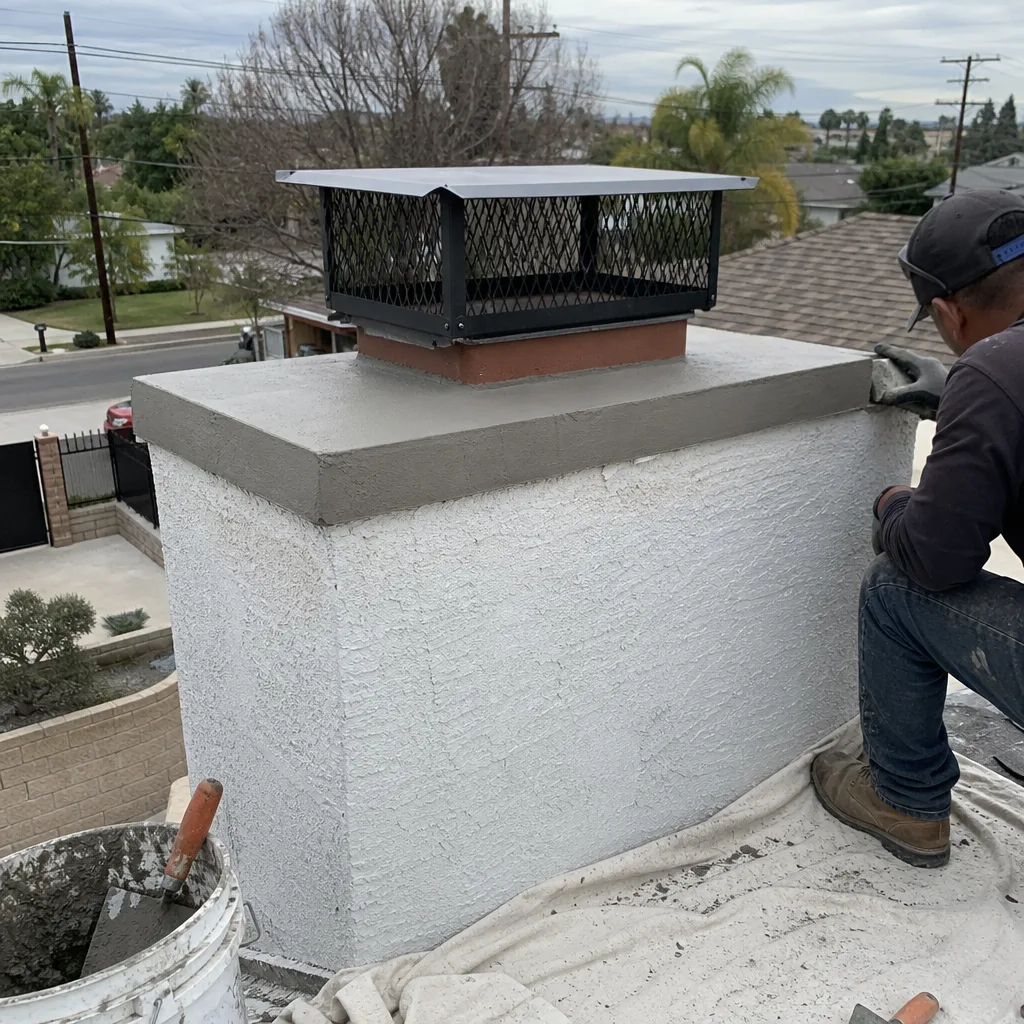
See the difference
 Before
 After
After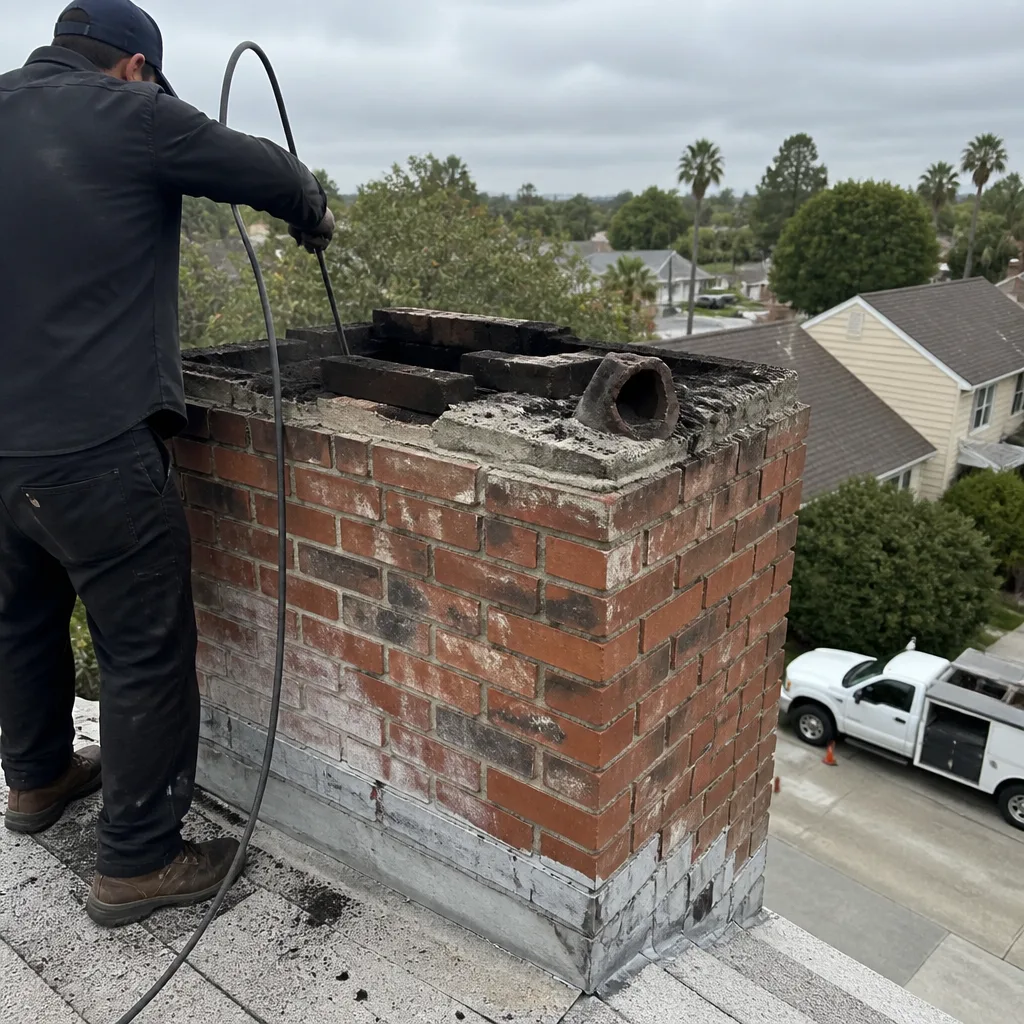 Before
 After
After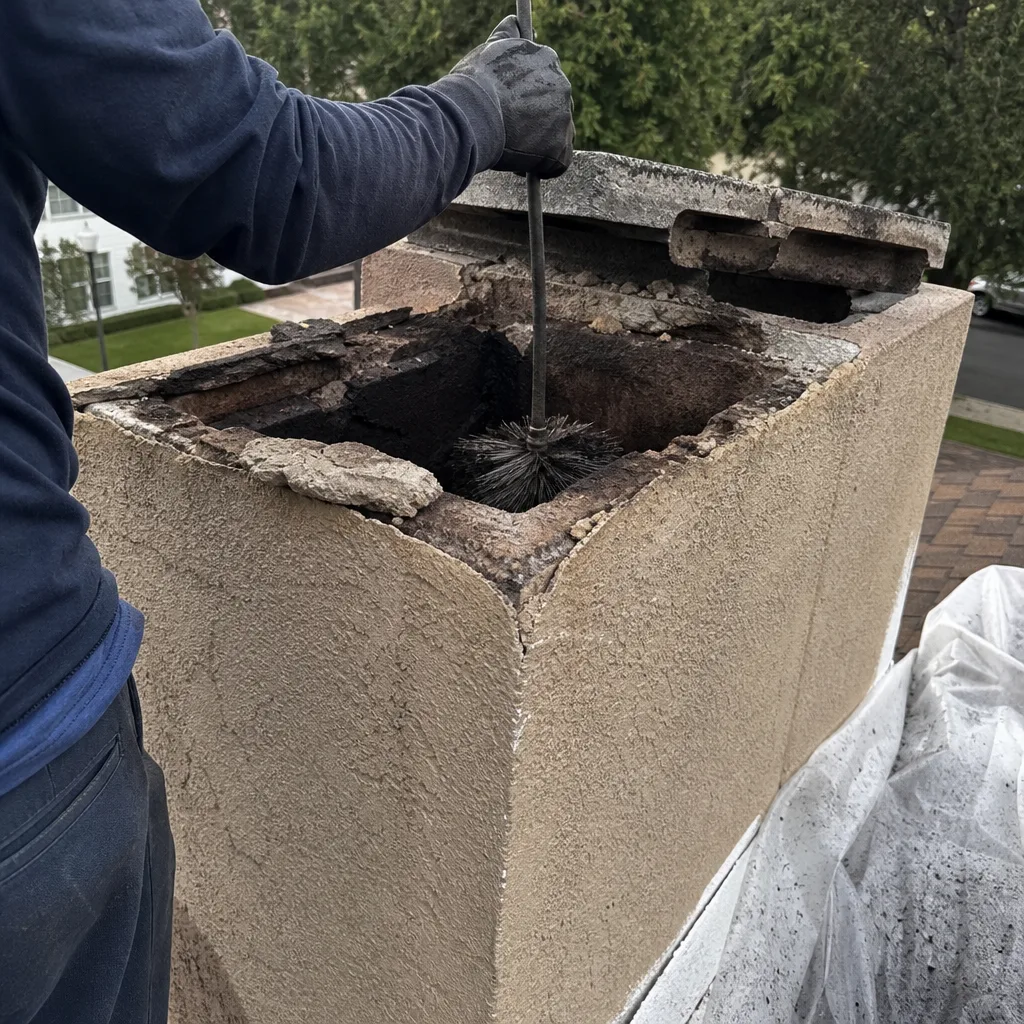 Before
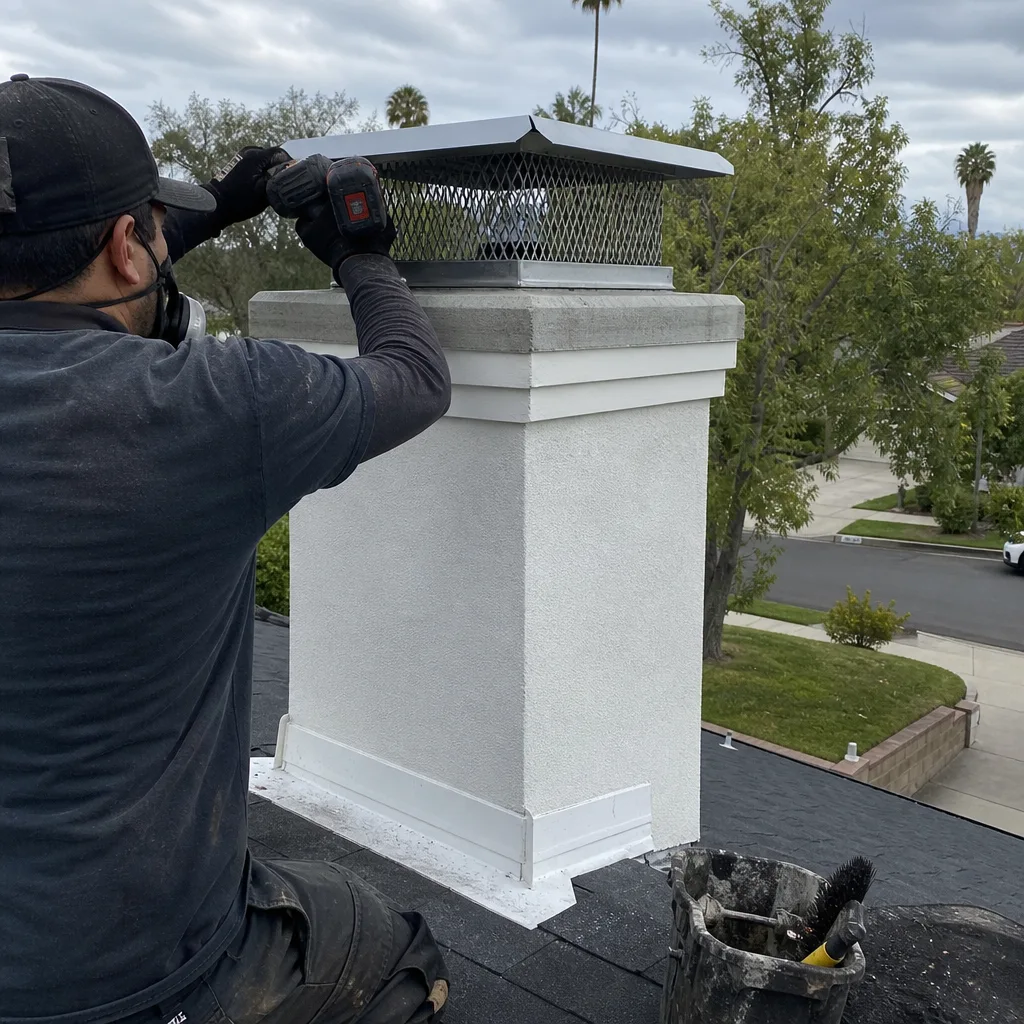 After
After