
Last updated October 15, 2026
 Sweep & inspection
 Caps & crowns
 Flue relining
 Masonry repair
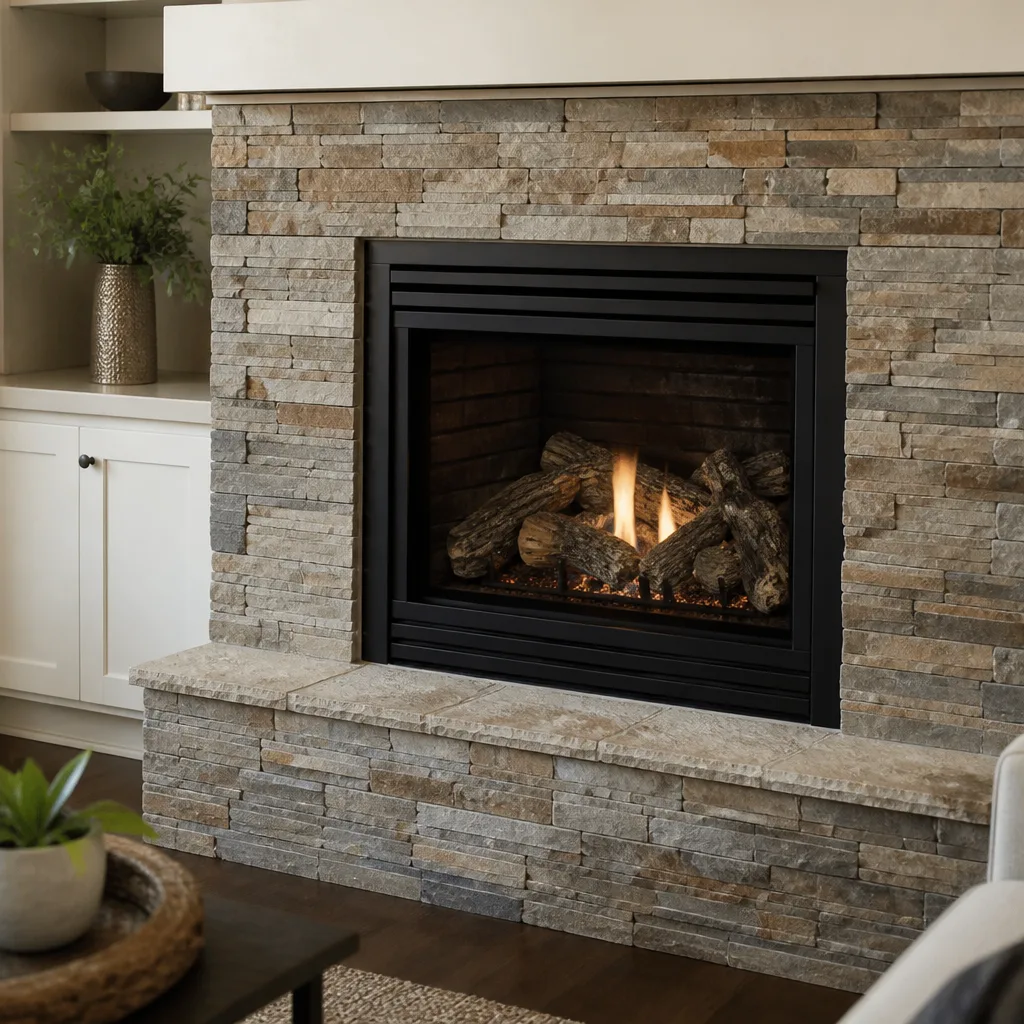 Gas fireplace service
Level 1 sweep and inspection to the NFPA 211 annual standard - flue, crown, cap, and flashing checked and photographed
Chimney sweep logs do not sweep chimneys. They loosen some creosote - which then falls where a brush and vacuum still have to collect it.
Chimney Sweep Maintenance Checklist for Los Angeles Homeowners
Most Los Angeles homeowners don’t lose their chimney to a dramatic event. They lose it to a slow, quiet process: a hairline crack in the crown that lets water in during one February rain, a family of starlings that nests in the flue in April, a damper that rusts half-shut and gets ignored for three winters. The single most common reason LA chimney problems go undetected isn’t neglect. It’s that homeowners don’t know which five things to look at between professional visits, so small issues compound silently until a $200 our Chimney Sweep services becomes a $2,000 repair. This guide gives you the exact checklist we’ve built over 20-plus years serving Los Angeles, including which items you can assess with a flashlight and ten minutes, which checks need a camera, and what normal looks like versus what should send you to the phone.
Styles & brands we work with
Quick Answer
A chimney sweep maintenance checklist for Los Angeles homeowners should cover five areas: the firebox, the damper, the smoke chamber and flue, the flue cap, and the exterior crown. Most homeowners can visually check all five with a flashlight in under ten minutes, but a proper annual inspection by a professional with a camera is the only way to see what’s happening inside the flue. In Los Angeles, add two local checks: look for bird and rodent nesting after spring, and inspect the crown after Santa Ana wind events.
Table of Contents
- The Five-Point Visual Checklist You Can Do This Weekend
- Firebox Checks: What Normal and Abnormal Look Like
- Damper and Smoke Chamber: The Two Most Overlooked Spots
- Flue Cap and Crown: The Los Angeles Weather Checklist
- The LA-Specific Seasonal Checklist
- What Requires a Camera and a Professional
- How to Document Your Chimney’s Condition Over Time
- Monitor This Yourself vs. Call a Sweep Now
- Common Mistakes to Avoid
- When to Call a Professional
- Frequently Asked Questions
- The Bottom Line
The Five-Point Visual Checklist You Can Do This Weekend
Every chimney in Los Angeles has the same basic anatomy, whether it’s a 1920s Spanish Revival in Silver Lake or a 1990s stucco build in Tarzana. Here are the five points to check, in the order you’d encounter them from inside the firebox to the top of the stack outside.
- The firebox – the brick or refractory panel box where the fire actually burns. Look for crumbling mortar joints, cracked or spalling brick, and any white staining (efflorescence) on the walls.
- The damper – the metal plate just above the firebox that opens and closes the flue. Look for rust, warping, and whether it opens and closes fully without grinding.
- The smoke chamber – the angled section above the damper where smoke funnels into the flue. Use a flashlight and look up; check for cracked or missing mortar, which is extremely common in LA homes built before 1940.
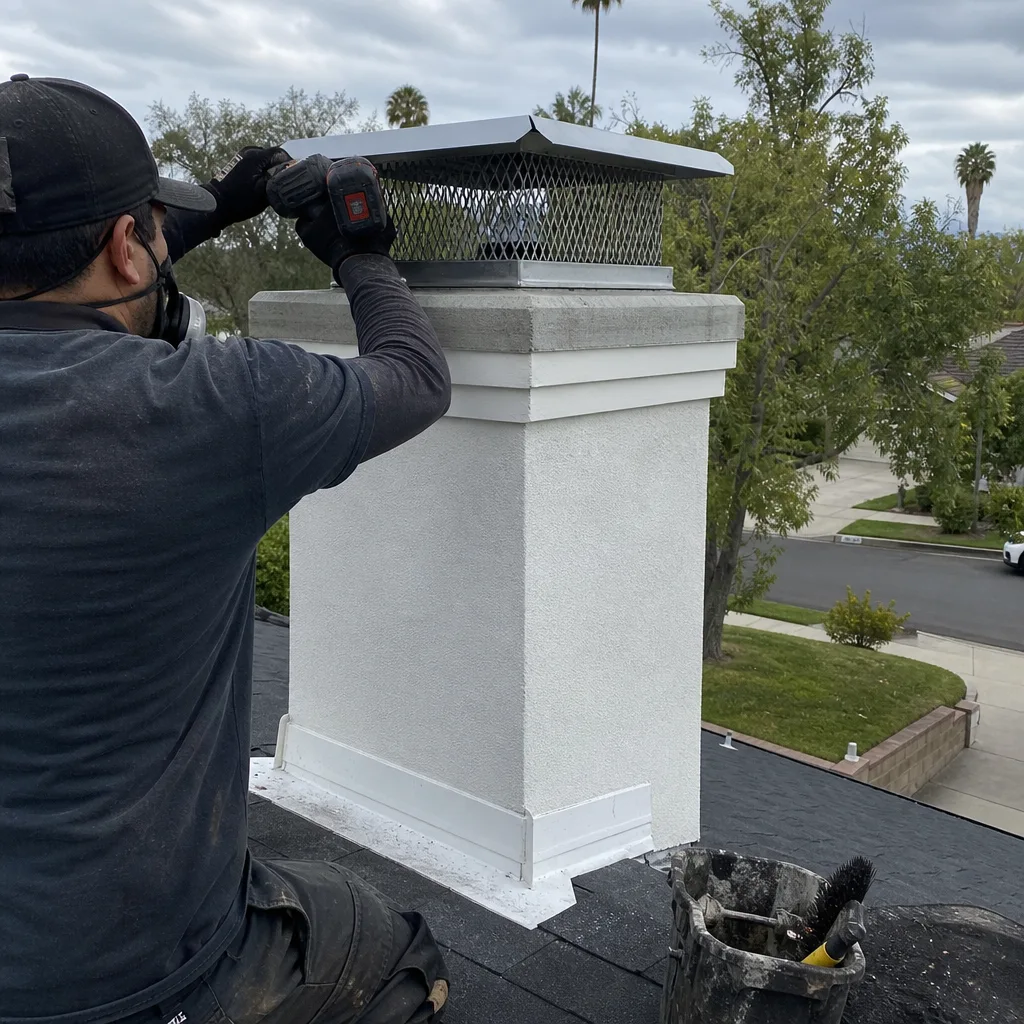
- The flue cap – the metal cap on top of the flue that keeps rain, birds, and debris out. Look from the ground or a ladder; check for missing caps, damaged mesh, or caps that have shifted.
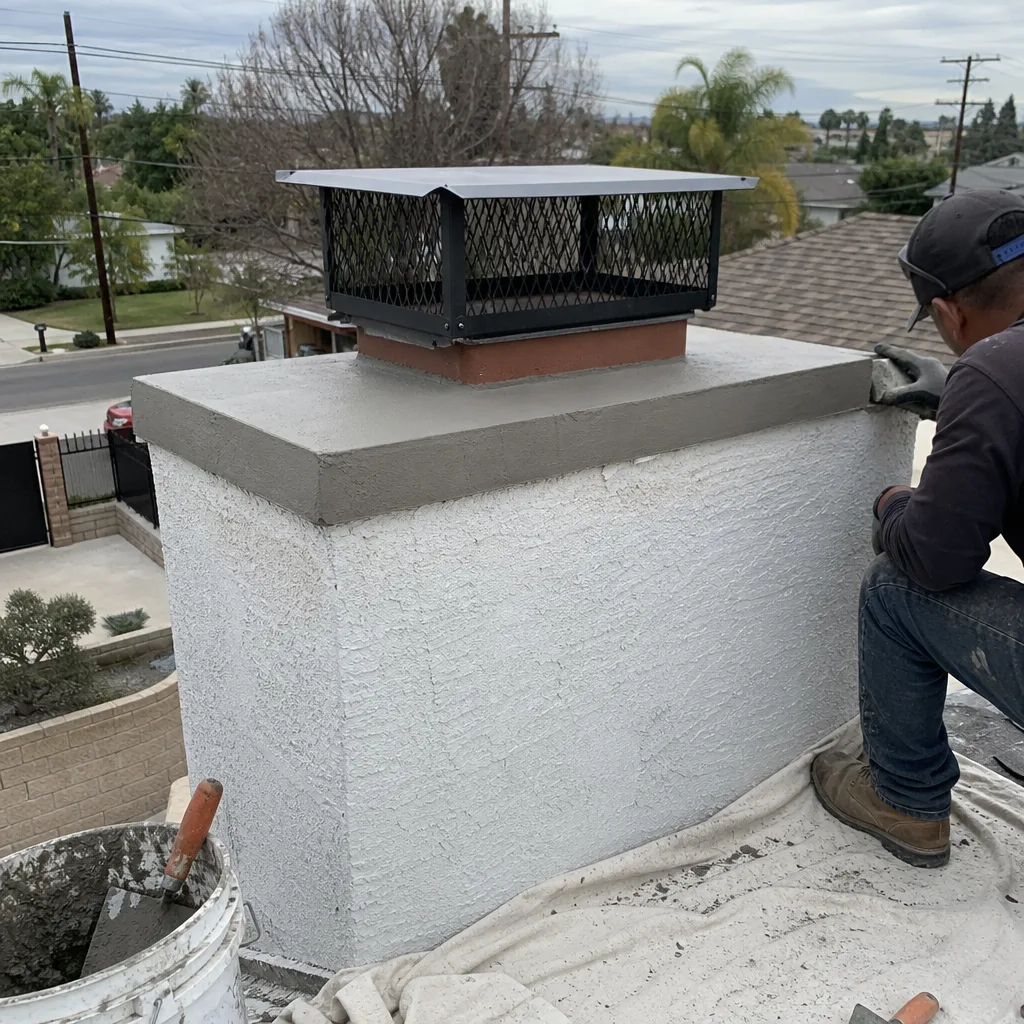
- The crown – the concrete slab on top of the chimney that seals the structure. Look for cracks, spalling, or missing chunks, especially after rain or wind.
Time required: ten minutes with a flashlight and a phone camera. None of these checks require tools or special knowledge. You’re looking for changes from the last time you looked, not making engineering judgments. If something looks different or wrong, take a photo and call a chimney sweep in Los Angeles for a professional read. Most sweeps will tell you over the phone whether it’s urgent or can wait until the next annual visit.
Firebox Checks: What Normal and Abnormal Look Like
The firebox is the easiest place to start because it’s right in front of you, and it’s where we see the most homeowner-confused conditions. Here’s what to look for, and what each thing actually means.
Normal: Solid brick or refractory panels with intact mortar joints, a light coating of soot that wipes away with a brush, and no visible cracks wider than a fingernail. Some dark staining is expected, especially in a fireplace that’s used regularly during Los Angeles winters.
Abnormal:
- Crumbling or missing mortar between bricks – this means heat and moisture have been working on the joints for years. If the mortar is soft enough to pick out with a fingernail, the firebox needs repointing before the bricks start shifting.
- White, chalky staining (efflorescence) – this is salt being drawn out of the masonry by water. In Los Angeles, we see this most often after the rare heavy winter rains or in coastal neighborhoods like Venice and Playa del Rey where salt air is a factor. Efflorescence means water is getting in somewhere above the firebox, usually through the crown or a cracked flue tile.
- Bulging or leaning brick walls – a structural red flag. This means the masonry has absorbed enough water to expand and shift. Don’t use the fireplace until a professional has looked at it.
- Cracked refractory panels – many newer Los Angeles homes have prefab fireplaces with refractory panels that mimic brick. Hairline cracks are cosmetic; cracks wide enough to fit a credit card mean the panel needs replacement before heat escapes into the framing behind it.
In our experience, firebox issues are the ones homeowners put off the longest because they feel out of sight, out of mind. But the firebox is the barrier between your fire and your home’s framing. When someone calls us about a firebox that hasn’t been checked in a decade, we usually find at least two things that should have been caught years earlier.
Damper and Smoke Chamber: The Two Most Overlooked Spots
The damper and the smoke chamber are invisible during normal fireplace use, which is exactly why they’re the two most neglected components in LA chimneys. Here’s what you’re looking for, and why it matters.
Damper checks:
- Does it open and close fully? A damper that sticks halfway open wastes heat in winter and lets cold air down all year. A damper that sticks halfway closed starves your fire of air and sends smoke into the room.
- Is there rust? Dampers in Los Angeles rust not from rain but from condensation, especially in beach-adjacent neighborhoods where overnight humidity is high and the flue pulls moist air down. Surface rust is cosmetic; rust that has eaten through the metal means replacement.
- Does it seal when closed? Even a damper that moves freely can leak if the frame is warped or the seal material has degraded. On a cold Los Angeles evening, a leaking damper can drop a room’s temperature noticeably.
Smoke chamber checks: The smoke chamber is the inverted funnel just above the damper. In older Los Angeles homes, especially those built before 1940 in neighborhoods like Highland Park and Echo Park, the smoke chamber is often corbeled brick with parged mortar that cracks over decades of heat cycling. Shine a flashlight up from the firebox and look for:
- Missing or cracked mortar between corbeled bricks – this creates pockets where creosote can accumulate and where heat can escape into the chimney structure.
- White staining – again, water intrusion, this time working its way through the flue liner or the crown above.
- Loose brick chunks sitting on the smoke shelf – the flat area just above the damper. We find pieces of broken flue tile sitting there all the time, which tells us the liner is degrading somewhere above.
Here’s the key thing about both spots: you can see them with a flashlight, but you can’t fully assess them without a camera. The angles are wrong, the shadows lie, and the area you can’t see is often where the real problem lives. That’s why every chimney inspection in Los Angeles should include a camera pass, not just a visual check. The camera doesn’t lie, and it gives you a photo record of what was there on the day of the visit.
Flue Cap and Crown: The Los Angeles Weather Checklist
Los Angeles weather seems mild on paper: a few rainy weeks in winter, hot dry summers, and Santa Ana winds in the fall. But those extremes create specific patterns of chimney wear that are different from what you’d see in Seattle or Buffalo. The flue cap and crown take the brunt of it.
Flue cap checks:
- Is it there at all? We see chimneys all over Los Angeles with no cap, usually because an old one rusted off and nobody replaced it. A cap costs a fraction of what bird removal, liner repair, and water damage run, and an uncapped flue is an open invitation to nesting birds in spring.
- Is the mesh intact? The wire mesh on a cap keeps birds, rodents, and embers out. When the mesh rusts through, animals get in. We’ve removed nests from flues in every part of LA, from Burbank to Culver City, and the fix always costs more than the cap would have.
- Is it straight and centered? A cap that’s shifted off-center means wind or something else knocked it loose. A crooked cap leaves a gap for rain and debris.
Crown checks: The crown is the concrete cap on top of the chimney. It’s exposed directly to every Santa Ana event and every winter storm. Here’s the Los Angeles-specific sequence we see repeatedly:
- Santa Ana winds in September and October blast the crown with debris and drive fine dust into any existing hairline cracks.
- Winter rains in November through February push water into those cracks. The water sits there, and if there’s a freeze overnight in the hills above Sherman Oaks or Studio City, it expands and widens the crack.
- Spring warmth evaporates the water but leaves behind efflorescence: the white mineral staining on the crown and the brick below it.
- Repeat for several seasons, and the crown spalls, chunks break off, and water starts getting into the chimney structure itself.
After every significant Santa Ana wind event, take two minutes to look at your crown from the street or the back yard. You’re looking for new cracks, fresh spalling, or anything that looks like it moved. If you see something new, photograph it and call us. Catching a crown crack before winter rains is the single highest-ROI maintenance move a Los Angeles homeowner can make.
The LA-Specific Seasonal Checklist
A generic chimney checklist says “inspect annually.” That’s fine, but Los Angeles has a seasonal rhythm that matters. Here’s how to time your checks through the year.
Spring (March through May) – nesting season: Birds and rodents look for warm, protected spaces in spring, and an uncapped or poorly capped flue is the perfect spot. Listen for chirping or scratching sounds from the flue in the morning and early evening. Look for nesting material poking out from under the cap or the chase cover. Check for birds repeatedly landing on or near the cap. If you hear anything, don’t light a fire. Call a professional to remove the nest and assess whether the cap needs replacement.
Summer (June through August) – the quiet season: Los Angeles fireplaces sit dormant in summer, which makes it the ideal time for a professional sweep and inspection. There’s no ash to cool, no urgency, and you’ll have the whole fall burning season ahead of you. For more guides & resources, check our blog. Most homeowners think about their chimney in November. Smart homeowners book in July.
Fall (September through November) – Santa Ana season: Before your first fire of the season, do the five-point visual check above. Pay special attention to the crown after the first Santa Ana winds. Check that the damper opens and closes smoothly. If you skipped the summer sweep, this is your last chance to book before the burning season rush. Every year, we get a wave of calls in early November from homeowners who lit their first fire and got smoke in the living room because the flue was blocked.
Winter (December through February) – rainy season: Los Angeles gets its rain in a compressed window, and when it comes, it comes hard. After each significant storm, check for water stains on the ceiling near the chimney chase, dampness around the firebox, and fresh efflorescence on the exterior brick. These are all signs that water is finding a way in. The fix is almost always at the crown or the cap, not inside the house, but you need to catch it before the next storm.
One more LA-specific note: if you live in a coastal neighborhood like Santa Monica, Venice, or Playa del Rey, salt air accelerates rust on dampers and caps faster than you’d see inland. Check metal components twice a year instead of once.
What Requires a Camera and a Professional
Homeowners often ask us what they can skip because they’ve already looked with a flashlight. Here’s the honest answer: a flashlight shows you the firebox and the base of the smoke chamber. It does not show you the flue interior, the liner condition, the upper smoke chamber, or anything above the first bend. Those areas are where the most expensive problems live, and they are only visible with a professional camera.
A proper fireplace repair in Los Angeles assessment includes a camera pass through the entire flue from top to bottom. The camera captures video and stills that show:
- Cracked or missing flue tile sections – common in older homes, and invisible from below.
- Creosote buildup – especially in chimneys used with green wood or unseasoned logs.
- Nests and animal debris – starlings and raccoons can build nests in flues that are invisible from the bottom but obvious on camera.
- Liner damage – a liner can look fine from the top and bottom but be cracked in the middle where the camera sees it.
- Hidden blockages – tennis balls, frisbees, branches, and construction debris all end up in LA flues. The camera finds them.
The camera also gives you something a flashlight never can: a baseline record. When a sweep finds a cracked tile, you can see it on the screen. When we recommend a repair, we show you the footage before we write the quote. That’s the standard any Los Angeles homeowner should expect from their chimney company.
How to Document Your Chimney’s Condition Over Time
Here’s a habit that will save you money and protect you from being oversold: photograph your chimney on a schedule, and keep the photos. This gives you a baseline, so when a sweep points at something and says “this is new and needs $800 of work,” you can look at your own photos and verify.
The schedule:
- Once a year, ideally in early summer, take a full set of photos: firebox, damper, smoke chamber (with flashlight), flue cap, and crown.
- After any significant weather event – Santa Ana winds, heavy rain, or any uncommon heat – take a follow-up set of the cap and crown.
- After any professional service – sweep, repair, or inspection, take a set that documents what was done. This creates a visual record of the “after” condition.
The method: Use your phone. Take photos from the same angles each time so they’re easy to compare. For the crown and cap, shoot from the street or the back yard in daylight. For the firebox and damper, use the flashlight and get close. Store them in a folder on your phone called “Chimney” with the date in the filename.
When our team at Ashby Chimney Los Angeles home visits for a sweep or inspection, we bring our own camera and our own documentation, but a homeowner who has a year of photos is a homeowner who can’t be told the crack in the crown is new when it’s been there since 2019. That’s the power of a baseline. It changes the dynamic from trusting what someone says to verifying what the evidence shows.
Monitor This Yourself vs. Call a Sweep Now
Here’s the clean line: some conditions are “watch and wait,” and some are “call now.” This is the distinction most homeowners want from a checklist, and here it is in plain terms.
Monitor yourself (no call needed if the condition doesn’t change):
- Light soot in the firebox after normal use.
- Hairline cracks in the crown that haven’t changed in a year of photos.
- Surface rust on the damper that doesn’t affect operation.
- A damper that’s slightly stiff but opens and closes fully.
- Faint efflorescence that appeared after rain and hasn’t spread.
Call a professional sweep now (don’t wait for the annual visit):
- Smoke coming into the room during a fire, regardless of how much or how often.
- A damper that won’t open or won’t close, or one that rattles constantly.
- Visible cracks in the firebox wider than a credit card.
- Crumbling or missing mortar in the firebox or smoke chamber.
- Chunks of brick or tile sitting on the smoke shelf or falling into the firebox.
- Animal sounds or nesting material anywhere in the flue or chimney.
- Water staining or dampness around the ceiling near the chimney chase.
- Fresh spalling or large cracks in the crown after a storm or wind event.
- A strong odor from the fireplace when it’s not in use, especially on hot days.
- Any change you can’t explain, even if it seems minor.
If you’re not sure which category something falls into, call. A good sweep will talk you through it and tell you honestly if it can wait. We’d rather answer a call that turns out to be nothing than have you wait on something that turns out to be everything.
Common Mistakes to Avoid
- Testing the fireplace before checking the flue. The first fire of the season should only happen after you’ve confirmed the flue is clear. We see homeowners light a fire in November, discover a nest from the previous spring, and fill the house with smoke. The fix costs more than the sweep that would have caught it.
- Ignoring the crown because it’s hard to see from the ground. In Los Angeles, the crown is the single most failure-prone component because of the Santa Ana and rain cycle. You don’t need a ladder to look at it from the street or back yard. Look at it.
- Assuming a cap is optional. An uncapped flue in Los Angeles will eventually have a nest, a dead animal, or a rain problem. The cap pays for itself the first time it blocks one of those things.
- Relying on a visual inspection when the house is old. If your home was built before 1940, the flue tiles are almost certainly original. They need a camera inspection, not a flashlight check. The cracks that matter are in the middle of the flue, where you can’t see them.
- Burning unseasoned wood to save money. LA doesn’t have cold winters like the Northeast, but burning green or wet wood still creates heavy creosote. Seasoned hardwoods burn cleaner and safer, and they’re worth the few extra dollars.
- Booking a sweep in November and expecting same-week service. The entire Los Angeles chimney industry is slammed in November and December. Every homeowner thinks about their fireplace at the same time. If you want flexibility in scheduling, book in summer.
- Hiring a sweep who won’t show you the camera footage. If a chimney company recommends a repair but won’t show you visual evidence, get a second opinion. Any reputable Los Angeles sweep will walk you through what the camera found, point at it, and explain what it means. If they won’t, walk away.
When to Call a Professional
Call a professional chimney sweep in Los Angeles when you can’t establish a baseline, when something changes that you don’t understand, or when you’ve been more than a year since the last inspection. The camera pass alone is worth the cost of the visit, because it shows you conditions you can’t possibly see from the firebox or the roof. If you’ve never had your chimney inspected, or you can’t remember the last time someone looked at it with a camera, book an inspection before your next fire. If you’ve noticed smoke, odor, water stains, or animal activity, don’t wait for the annual check. Call now. For a deeper dive, see The Complete Guide to Chimney Cleaning in Los Angeles. Ashby Chimney Los Angeles offers free estimates in Los Angeles, and every inspection includes written documentation and camera evidence. Call (213) 652-7061 to schedule.
Frequently Asked Questions
Once a year is the standard recommendation in Los Angeles, timed for late summer before burning season. Coastal homes with salt air exposure and chimneys used more than two or three times a week during winter may need more frequent attention. An annual sweep and camera inspection catches most issues before they become expensive repairs.
Most chimney sweeps in Los Angeles run between $150 and $300 depending on the chimney’s height, accessibility, and condition. A basic sweep with a camera inspection is usually at the lower end of that range. Call (213) 652-7061 for an exact quote; we give written pricing before any work starts.
Not always. Hairline cracks in a flue liner can sometimes be sealed with a product like HeatShield or Gelco without replacing the entire liner. A more severely damaged liner may need a stainless steel replacement like DuraFlex. The camera footage should guide the recommendation, and you should be shown that footage before agreeing to any repair.
The most common outcomes we see in Los Angeles are creosote buildup that becomes a fire risk, water intrusion through a cracked crown that damages the interior, and animal nests that block the flue. Skipping a few years costs more than the sum of the missed sweeps, because the catch-up repair is almost always more expensive than maintenance would have been.
You can brush the accessible parts of the firebox and visually inspect the components we’ve described, but a proper sweep requires reaching the flue from the roof and using professional tools to clean the full length. See DIY vs Professional Chimney Cleaning: The Los Angeles Homeowner’s Decision Guide for a full comparison. The flue is where creosote accumulates and where animals nest, and it’s the part most homeowners can’t safely reach. A professional sweep includes a camera pass that shows you exactly what was removed and what condition the flue is in.
Yes in a few ways. Los Angeles chimneys face less sustained cold but more Santa Ana wind damage, more seasonal bird nesting pressure, and a compressed rainy season that concentrates water intrusion into a few months. The off-season is also longer, which means more time for problems to develop unnoticed between uses. The annual check matters just as much, but the specific risks are wind, nesting, and water rather than ice and freeze damage.
The Bottom Line
A chimney maintenance checklist for Los Angeles homeowners comes down to five visible checkpoints, two LA-specific seasonal risks, and one professional camera pass per year. Look at the firebox, damper, smoke chamber, cap, and crown. Check for nesting in spring and crown damage after Santa Anas. Document everything with photos so you have a baseline when a professional arrives. And when something changes, call a sweep who will show you the evidence on camera before quoting a repair. If you’re in Los Angeles and want a straight answer about your chimney, call Ashby Chimney Los Angeles at (213) 652-7061. We’ve served Los Angeles since 2002, and we’ll tell you plainly what needs doing now, what can wait, and what it costs.
Written by Nathan Corliss, Owner at Ashby Chimney Los Angeles, serving Los Angeles since 2002.
See the difference
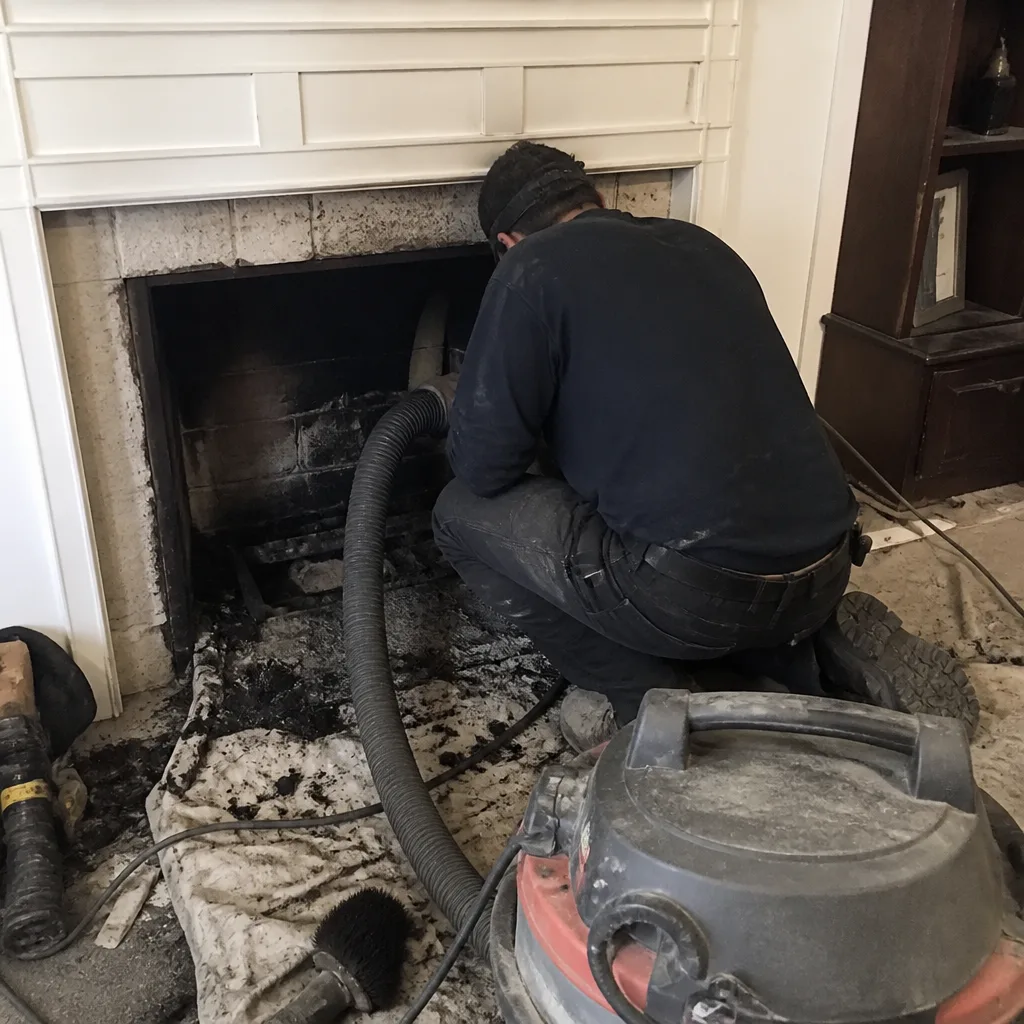 Before
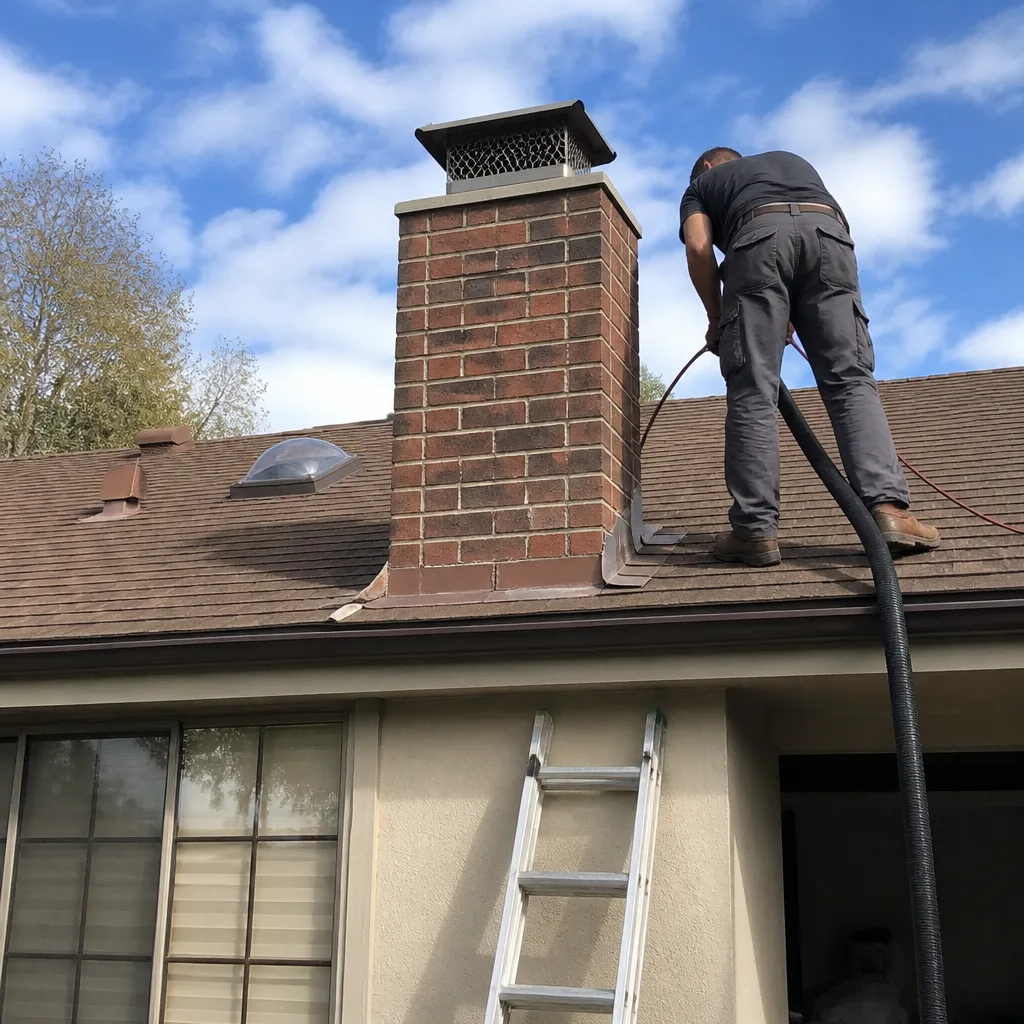 After
After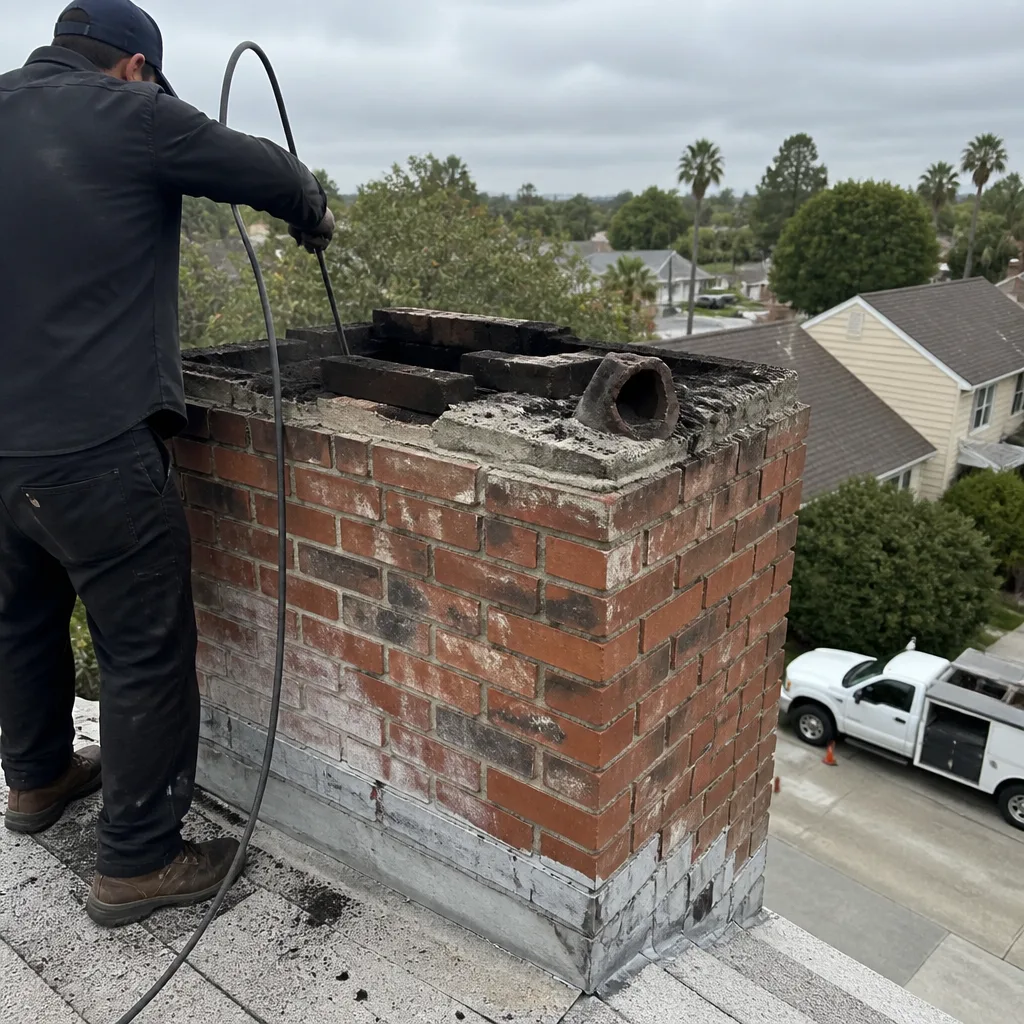 Before
 After
After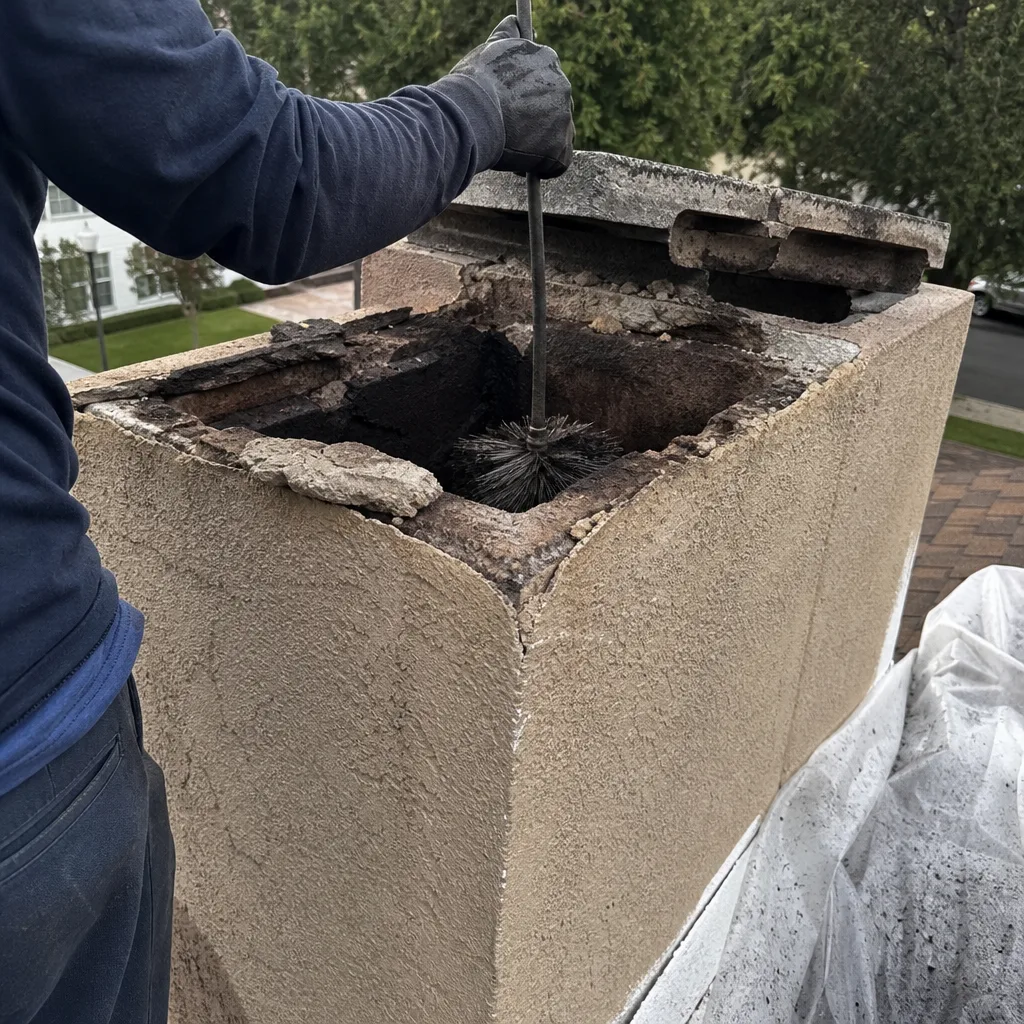 Before
 After
After